REVIEW · WEST VANCOUVER
Garibaldi Park/ Panorama Ridge/ Hiking Day Trip
Book on GetYourGuide →Operated by Hikingproguide · Bookable on GetYourGuide
One long day, big views, zero guesswork. This Panorama Ridge hike in Garibaldi Provincial Park mixes forest trails, wildflower meadows, and an alpine payoff you’ll want to photograph from every angle. I love the way your guide sets a pace that feels doable, and I also love that you get help capturing the scenery with a personal photographer rather than just fumbling with your phone at the worst possible moment. One thing to think about: the hike is described as challenging and it includes roughly 6 hours on trail.
The day also has a practical rhythm. You start with scenic drives, then you settle into the hike—steady climbs, glimpses of blue lakes along the way, and a picnic lunch at the top with sweeping views of Garibaldi Lake. If you’re not comfortable with steep switchbacks and rocky sections (or you’re dealing with certain health limitations), this probably isn’t your best Vancouver-area outing.
In This Review
- Key highlights you’ll actually feel
- Why Panorama Ridge feels like a full-day upgrade from a simple hike
- From pickup to the Sea to Sky: setting the tone before the first step
- Rubble Creek to the blue-lake reveals: what the climb is really like
- Wildflower meadows, streams, and changing scenery: the “never get bored” advantage
- Panorama Ridge summit: the lunch stop that turns the whole hike into a memory
- The return trip: same trail, different emotions
- Price and value: what $475 per person buys you
- Who this day trip suits best (and who should skip it)
- A few practical tips before you go
- Should you book Panorama Ridge with this guide?
- FAQ
- What pickup locations are offered?
- Where can I be dropped off at the end of the day?
- How long is the hike portion?
- What’s included in the tour price?
- What languages does the guide speak?
- How long is the full tour day?
- What should I bring?
- Is this tour good for everyone?
Key highlights you’ll actually feel
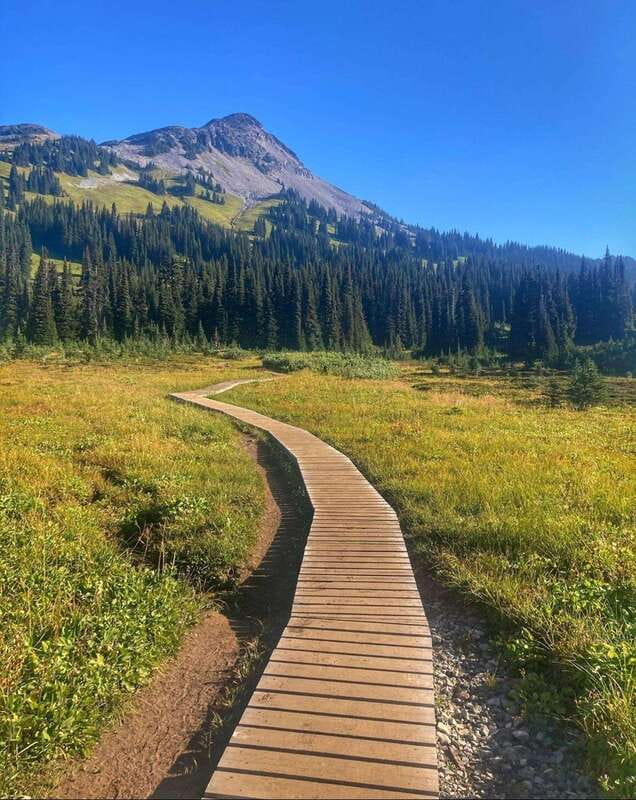
- Wildflower meadows during the summer season, plus chances to spot wildlife like marmots and deer
- Rubble Creek trail with a steady ascent, switchbacks, and changing views as you climb
- Blue-water lakes you see along the route, including glimpses of Barrier Lake and Lesser Garibaldi Lake
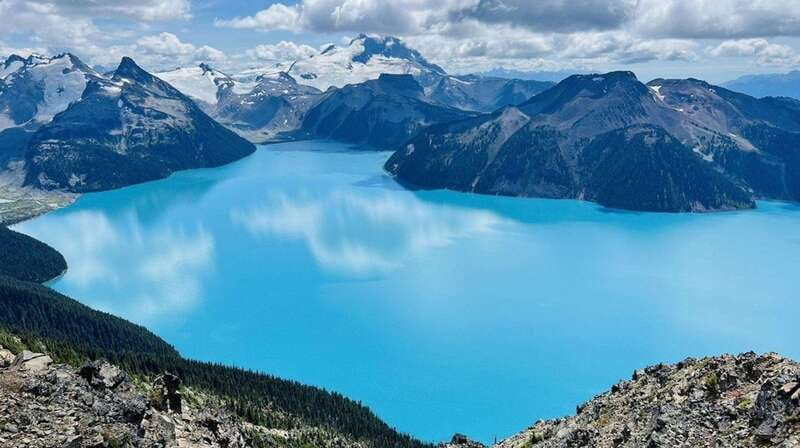
- Panorama Ridge summit lunch with breathtaking views of Garibaldi Lake
- Photo stops and guided support so you’re not hunting for the best angles alone
Why Panorama Ridge feels like a full-day upgrade from a simple hike
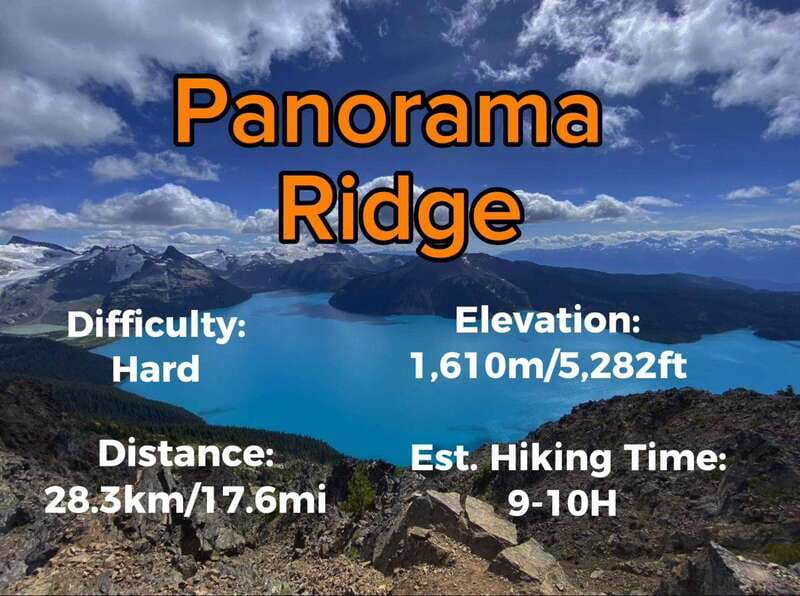
This isn’t billed as a quick nature stroll, and that’s a good thing. A 12-hour day with about 6 hours of hiking turns the Garibaldi experience from something you pass through into something you earn. You’ll spend real time in the hills—enough time for the trail to change its “mood,” from deep Douglas fir and red cedar forest to open ridges with views that keep widening as you go.
Two touches make it feel more like a guided experience than a route-and-hope situation. First, you’re hiking with a live guide who works with your pace. In the reviews, the standout theme is how patient the guide is on trickier footing, with helpful tips that make the hike feel safer and more manageable. Second, the day includes a personal photographer, which matters because Panorama Ridge is the kind of place where the best photos happen in specific spots and timing windows—not whenever you remember to stop.
If you like a “do the hard thing, then savor the reward” day, you’ll probably enjoy this. If you want something low-effort, you’ll likely feel the climb in your legs and in your patience.
You can also read our reviews of more tours and experiences in West Vancouver.
From pickup to the Sea to Sky: setting the tone before the first step
Your day starts with pickup from one of four places: Vancouver, North Vancouver, West Vancouver, or Squamish. That’s convenient if you don’t want to rent a car or waste time figuring out parking and logistics. Then you head out on the Sea to Sky Highway, which is part road trip, part mood-setter.
The scenic drive is about 2 hours, giving you time to settle in and look out at the coast-mountain corridor before you hit the trail. You also go through the Squamish–Lillooet area for about 30 minutes as part of the day’s route. Even if you’re already familiar with the coastline-to-mountains vibe, this kind of framing helps you get into the right mindset: you’re building toward alpine views, not just driving to a trailhead.
What to watch for: a full-day plan means you’ll want to be comfortable sitting and rehydrating before you start climbing. Bring water, and if you’re sensitive to motion or long drives, plan accordingly.
Rubble Creek to the blue-lake reveals: what the climb is really like
The hike begins at Rubble Creek parking lot. From there, you start on a well-maintained trail through dense Douglas firs and red cedars. The first stretch is a steady ascent with switchbacks. Translation: yes, it works your legs, but the trail design helps you manage the grade rather than forcing constant steep scrambling.
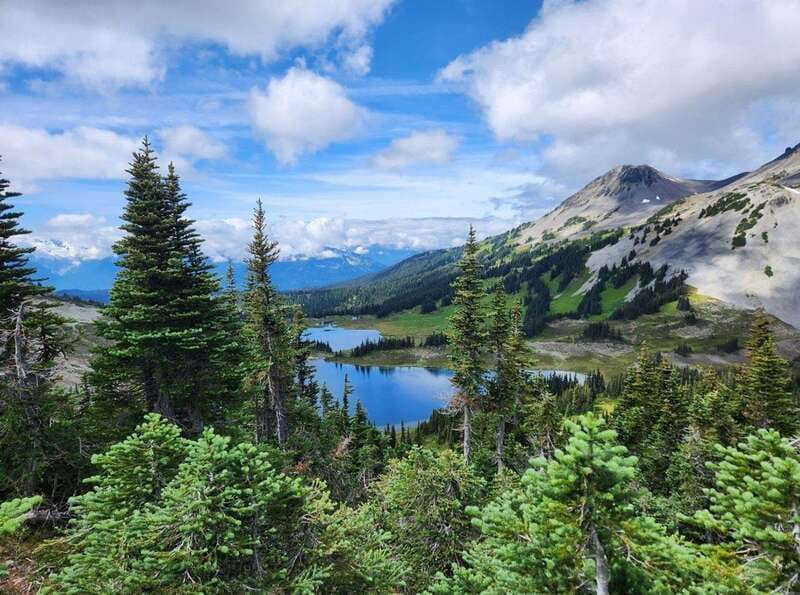
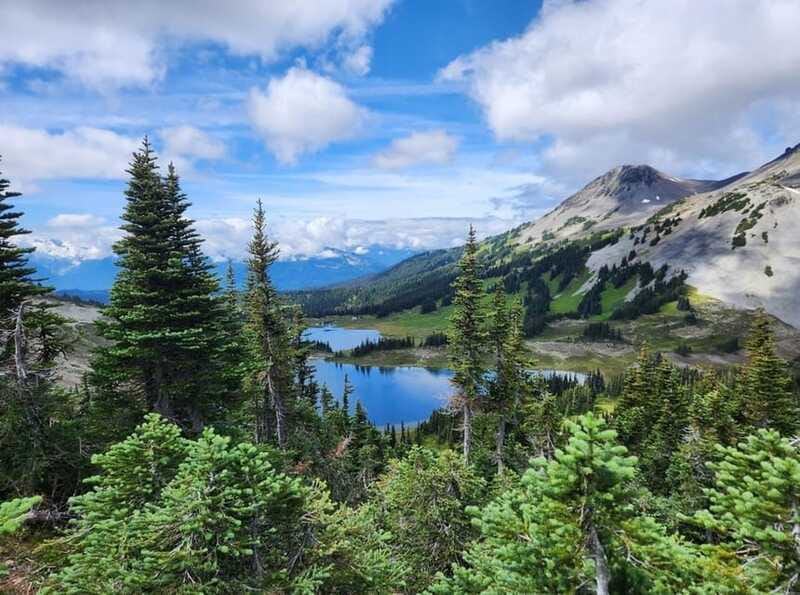
As you go, the views start leaking in. You’ll get glimpses of Barrier Lake and Lesser Garibaldi Lake, their blue waters visible when the trees thin out just enough to give you a tease of what’s coming. That’s a big part of why this hike feels fun instead of purely punishing: each elevation gain brings a new “window.”
Summer hikers get an extra payoff here. The route crosses meadows with flowers blooming—and that’s not just pretty decoration. Open meadows usually mean better light for photos, easier breathing than the dense forest, and a calmer feeling before the summit push. You may also spot wildlife such as marmots and deer. You won’t see those animals on a schedule, but the guide’s job is to help you notice what’s there without disrupting the moment.
You’ll also be dealing with a mix of trail surfaces. The route includes rocky paths and sections where you cross bubbling streams. That’s where the guide’s experience makes a real difference. In the reviews, the guide named Melissa was praised for being patient, attentive, and especially good at giving footing tips for hikers who aren’t pro trail experts. If that’s you, this kind of coaching can turn “I hope I don’t slip” into “I know what to do next.”
Wildflower meadows, streams, and changing scenery: the “never get bored” advantage
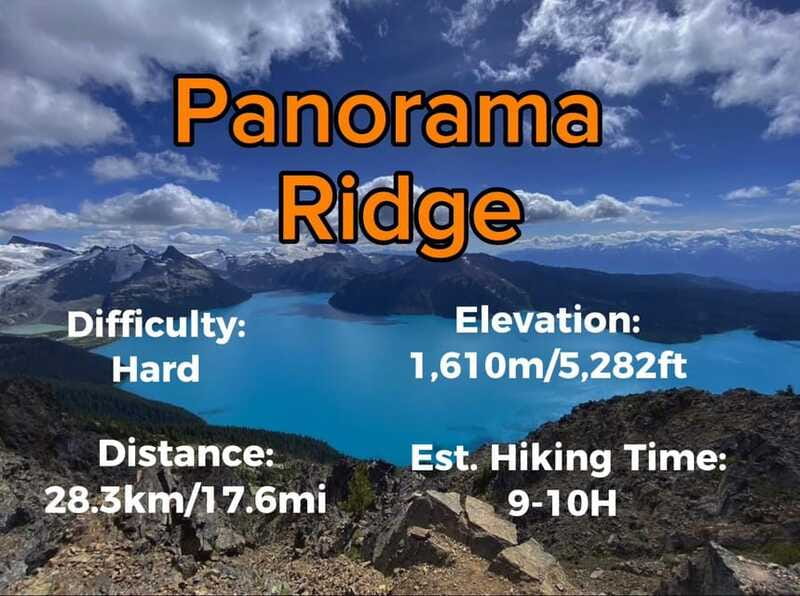
One underrated benefit of Panorama Ridge is that it doesn’t rely on one view to carry the entire day. You keep switching between different scenes: darker forest, brighter meadow edges, then open ridges with wider sky and longer sightlines. That rhythm matters for your energy level and your attention span. After a while, you stop thinking only about distance and start thinking about what you’ll see on the next turn.
The meadows in summer are a highlight because they’re often when the hike feels most alive—color, insect noise, movement, and that “we’re getting close” feeling. And the route’s stream crossings add variety. They’re also a natural reminder to slow down and step carefully; running across slick spots is how the day turns from fun to frustrating.
Photography fits naturally into these scene changes. If you’re traveling with a camera, you’ll have plenty of chances to change lenses or composition. If you’re traveling with a phone, the personal photographer helps you get past the usual problem: stopping for photos can break your momentum, but you also don’t want to rush the moment. The day is built to accommodate photo opportunities, including scenic moments before the summit.
Panorama Ridge summit: the lunch stop that turns the whole hike into a memory
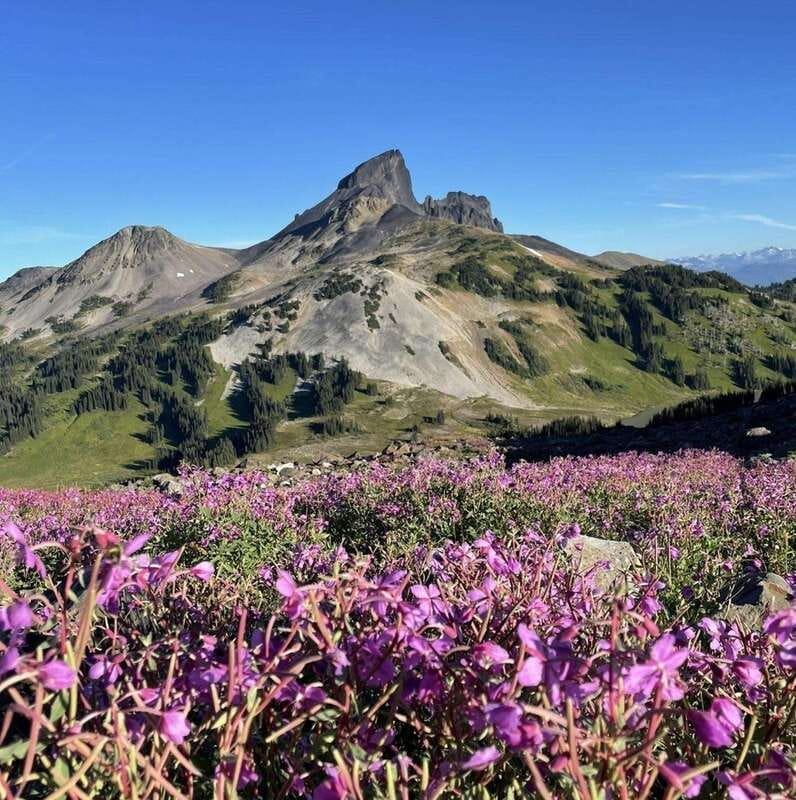
Reaching the ridge is the payoff moment. From Panorama Ridge, you get sweeping views of Garibaldi Lake, including its surreal turquoise hue and framing by surrounding mountains and glaciers. The description here is what most people come for: a view that makes you pause without needing dramatic explanation.
Then you get lunch at the top. The summit picnic is where the day changes gears from “workout” to “experience.” You’re not eating while rushing to the next viewpoint—you’re sitting in the alpine environment with a view that does the job of entertainment for you.
This is also where the guide and photographer help most. With a tough hike like this, people often arrive stressed or winded. A good guide can make sure you refuel and take breaks in the right spots. The best part, according to the reviews, is that the guide’s encouragement turns a difficult hike into something genuinely enjoyable rather than just something you survive.
Practical note: even if the air feels cool at the summit, conditions can change quickly. Bring layers you can tolerate while you’re eating and while you’re waiting for the best light.
The return trip: same trail, different emotions
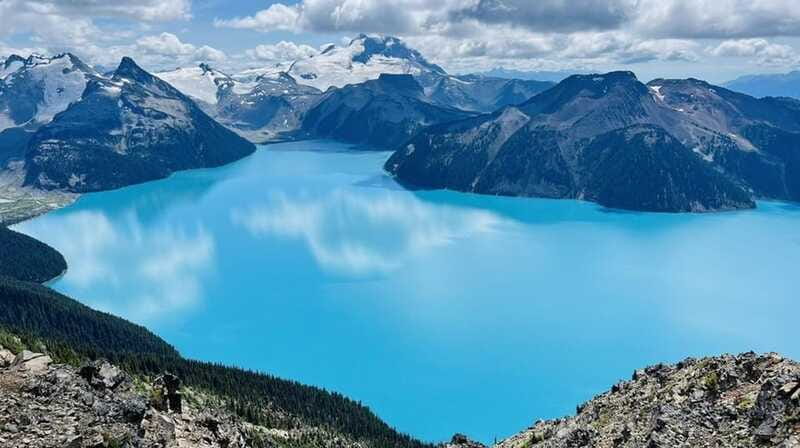
You go back the same way, which sounds boring—until you experience the difference. On the way down, the trail’s easier to navigate but not always easier on your body. Long descents can feel rough on knees and quads, especially after a big climb.
What you’ll notice is that you see the route in reverse. The forest sections feel different because the light angle shifts. The lakes you caught glimpses of earlier become landmarks you now recognize with more confidence. And the meadow stretches hit with more calm—like you’re walking through a place you’ve already earned.
This part also gives you time for small moments that people miss on the climb: checking a stream crossing again to understand where the safe steps are, or lingering at a vista where you didn’t have time to look closely earlier. If the guide is attentive about pacing, you’ll likely feel less rushed on the descent too.
Price and value: what $475 per person buys you
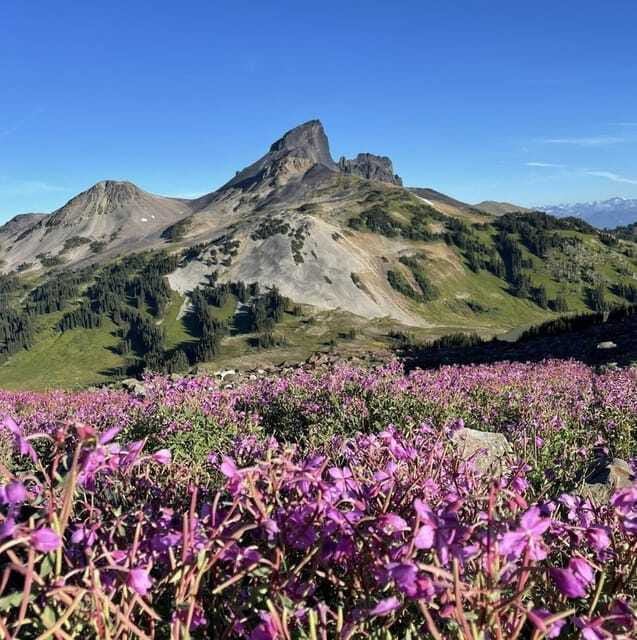
At $475 per person for a 12-hour private day, you’re not paying just for a hike. You’re paying for transportation, on-trail leadership, and the added value of having a personal photographer.
Here’s why that can be good value. Panorama Ridge is challenging enough that many people want hands-on help: route guidance, safety coaching, and pacing support so the day stays enjoyable. On top of that, the “I can’t believe the view” moments are photo moments—and a dedicated photographer reduces the usual stress of taking photos while trying not to fall behind or over-stop. It also means you spend less time figuring out where to stand and more time actually absorbing the scenery.
Is it expensive compared to booking a basic trail hike? Yes. But if you want a guided, all-in-one experience with pickup/drop-off and photo help—especially if you’re not the most confident hiker—the cost can make sense.
You should consider whether you’ll use the guide support and the photographer. If you’re traveling as an experienced hiker who can drive yourself, navigate well, and can manage your own photos without extra help, the added cost might feel less justified. If you want a smoother day and fewer decision headaches, it’s easier to see where the money goes.
Who this day trip suits best (and who should skip it)
This tour is a strong fit if you:
- Want a challenging hike with a clear destination and summit reward
- Prefer having a guide who can tailor pacing and help with tricky footing
- Care about photography enough to want a dedicated photographer
- Are in good enough shape for a long day with steep switchbacks
It’s not a fit if you:
- Have limitations listed as not suitable, including pregnancy, heart problems, respiratory issues, wheelchair use, insect allergies, or age beyond 95
- Prefer short hikes or flat terrain only
If you’re an intermediate hiker who can handle uneven ground and steep sections, you’ll likely find the route manageable with the guide’s tips.
A few practical tips before you go
Comfort matters. Wear comfortable shoes with enough grip for rocky sections and stream crossings. Bring water and comfortable clothes, and plan for weather shifts around the summit.
Also, think about your photo expectations. Panorama Ridge is the type of place where you’ll want time for multiple angles. The guide and photographer support that flow, but if you come with the mindset of rushing through shots, you’ll miss the best part—sitting at the summit after the climb.
Finally, treat the day like a real commitment. The total time is 12 hours, and the hiking segment is long enough that you should eat well beforehand.
Should you book Panorama Ridge with this guide?
If you want a Vancouver-area hiking day that’s guided, structured, and built around big scenery—this is a strong choice. The best sign is the human factor in the reviews: Melissa is repeatedly praised for patience, attentive guidance, and making tricky sections feel manageable. Add the personal photographer, and you get a day that’s not just about reaching the view, but also about capturing it without turning the hike into a frantic photo hunt.
I’d pass if you’re seeking a relaxed stroll or if your health limits match the tour’s listed restrictions. Otherwise, if you like wildflowers, blue lakes, and a summit lunch that makes the effort feel worth it, Panorama Ridge is one of those “only possible from here” experiences—exactly the kind that turns a trip memory into a story you’ll retell.
FAQ
What pickup locations are offered?
Pickup options include Vancouver, North Vancouver, West Vancouver, and Squamish.
Where can I be dropped off at the end of the day?
Drop-off is available in Squamish, West Vancouver, North Vancouver, or Vancouver.
How long is the hike portion?
You’ll hike for about 6 hours during the day.
What’s included in the tour price?
The tour includes pickup and drop-off, plus a personal photographer and a live tour guide.
What languages does the guide speak?
The live guide speaks French and English.
How long is the full tour day?
The total duration is about 12 hours.
What should I bring?
Bring comfortable shoes, water, and comfortable clothes.
Is this tour good for everyone?
It is not suitable for pregnant women, people with heart problems, wheelchair users, people with respiratory issues, people over 95 years, or those with insect allergies.