REVIEW · VANCOUVER
4-Day Canadian Rockies & Banff Classic Summer Tour
Book on Viator →Operated by Discover Canada Tours · Bookable on Viator
The Canadian Rockies in four days is a fast deal. This tour strings together Banff classics and big-views drives, starting right in downtown Vancouver. I like how the route balances famous stops with a couple of scenic “blink and you’ll miss it” moments.
What I really like is the mix of nature and human-scale stops. Wine tasting in Kelowna gives you a break from the road, and the guide adds context so the views aren’t just postcards.
The main trade-off is time. You’ll spend a lot of hours on a coach, and some lake and glacier moments are short, so it helps to be organized and patient.
In This Review
- Key things to know before you go
- Why This 4-Day Route Works From Vancouver
- Depart Vancouver: Canada Place Morning and the Okanagan Turn
- Okanagan Valley drive break
- Kelowna: wine tasting plus free time
- Craigellachie: the Last Spike stop
- Arrive Revelstoke and settle in
- Rogers Pass to Lake Louise and Moraine Lake: Banff’s First Big Hits
- Rogers Pass Summit stop
- Lake Louise: lunch and time to explore
- Moraine Lake: short and worth it
- Drive into Banff: a town tour and real evening freedom
- Icefields Parkway and Jasper: Where the Coach Turns Into a Scenic Classroom
- Columbia Icefields stop: viewpoints and the optional Ice Explorer
- Jasper quick stop
- Mount Robson: brief but dramatic
- Overnight in Valemount
- Spahat Falls and the Return to Vancouver: Last Day, Big Views
- Spahat Falls: a nature-focused finish
- Back to Vancouver via Okanagan Valley
- Price and Value: What Your $912.52 Covers (and What It Doesn’t)
- Why this can be good value
- The part you must manage yourself
- Hotels in Revelstoke, Banff, and Valemount: Convenience Matters
- The Guide Factor: Stories, Safety, and Bus-Comfort Details
- What you should expect from good guiding
- Coach realities
- Optional Add-Ons: Ice Explorer and How to Decide Without Regret
- Who This Tour Is Best For (and Who Should Skip It)
- Should You Book This 4-Day Banff and Rockies Classic?
- FAQ
- FAQ
- What time does the tour start in Vancouver?
- Where does the tour end?
- How much does the 4-day tour cost?
- What’s included in the tour price?
- Are meals included besides breakfast and the one lunch?
- Is the Ice Explorer Glacier Tour included?
- What’s the group size like?
- Is the tour suitable for children?
- Can I get a refund if I cancel?
Key things to know before you go
- 4 days, 3 hotel nights with one night downtown Banff for easy evening exploring
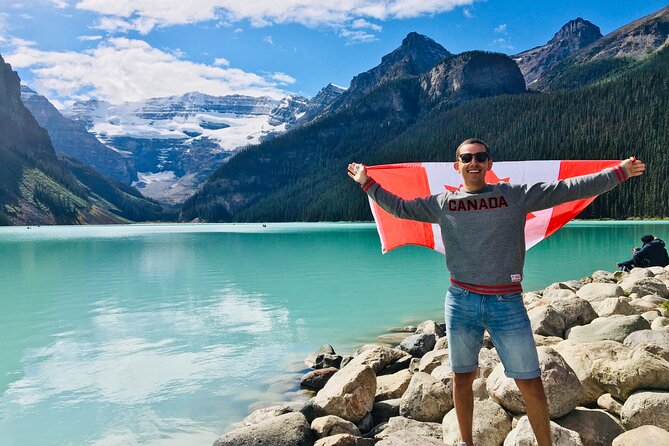
- Moraine Lake + Lake Louise make this feel like a highlights-only sampler (great for first-timers)
- Icefields Parkway includes access to Columbia Icefield viewpoints, with the Ice Explorer as an add-on option
- Rogers Pass and the Craigellachie Last Spike stop add Canadian history to the scenery
- A small-big group setup: up to 54 people, but enough structure that you’re never on your own
- You’ll do the big drive days whether you love buses or not, so pack for comfort
Why This 4-Day Route Works From Vancouver
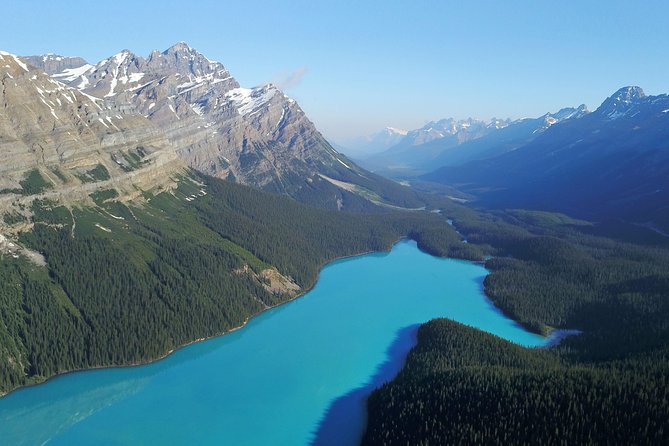
If you want the Canadian Rockies without spending a week transferring between towns, this kind of classic coach itinerary is built for you. You’re not choosing between mountains and towns—you’re getting both, with overnight bases in Revelstoke, Banff, and Valemount.
I also like that the pacing is purposeful. The schedule prioritizes high-demand sights (Banff, Moraine Lake, Icefields viewpoints) while leaving room for smaller moments: a town stroll, a lunch break, and a couple of quick “stand in the right spot” stops where timing matters.
The value angle is also clear when you look at what’s included. You’re paying for transportation, guide time, hotel nights, and several paid sights that would add up quickly if you booked them separately.
You can also read our reviews of more tours and experiences in Vancouver
Depart Vancouver: Canada Place Morning and the Okanagan Turn
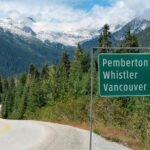
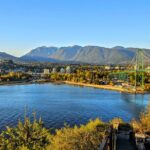
You start at Canada Place in Vancouver at 8:00 am, and you’ll want to arrive a little early so the group gets moving smoothly. Right away, the tour shifts from city energy to road-trip mode.
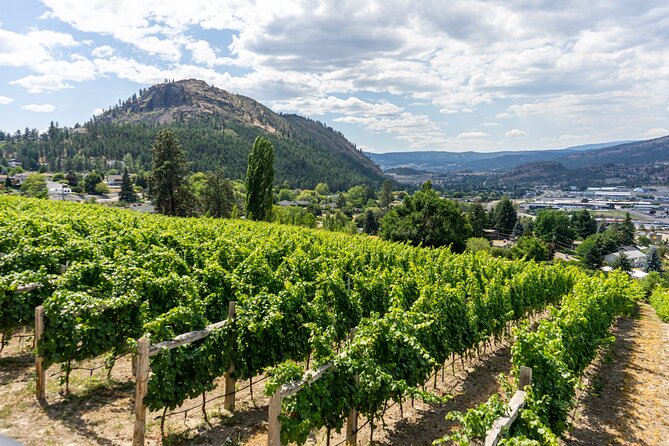
From there, the day runs through the Fraser Valley and into the Okanagan Valley, which is known for a drier, warmer feel compared to the rest of British Columbia. That change of climate is part of the charm—your scenery doesn’t look the same every hour.
Okanagan Valley drive break
You get a long stretch of scenic travel time, and that matters. It’s not just about getting from A to B; it’s about enjoying the gradual shift in terrain and light that makes the Rockies feel even bigger when they finally appear.
Kelowna: wine tasting plus free time
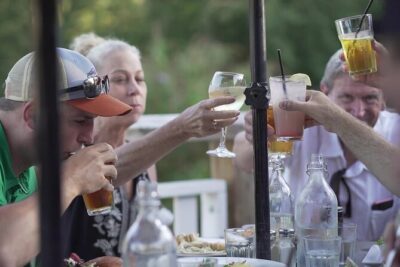
Kelowna is where you get a genuine reset: wine tasting followed by free time to wander and grab lunch. This is a smart inclusion because it breaks the “all-views-all-day” rhythm that can make multi-day tours feel exhausting.
Craigellachie: the Last Spike stop
Next is Craigellachie, linked with the famous Last Spike. Even if you’re not a railroad nerd, it helps to understand what built this region’s connections. It turns the drive into more than just scenery.

Arrive Revelstoke and settle in
You finish the day in Revelstoke, check in, and get about an hour to explore. Revelstoke is the kind of town where a casual stroll and an early dinner can set your pace for the next big mountain day.
Practical tip: Bring a light layer for the early and late parts of the day. Coach rides can get cold even when the sun is out.
Rogers Pass to Lake Louise and Moraine Lake: Banff’s First Big Hits
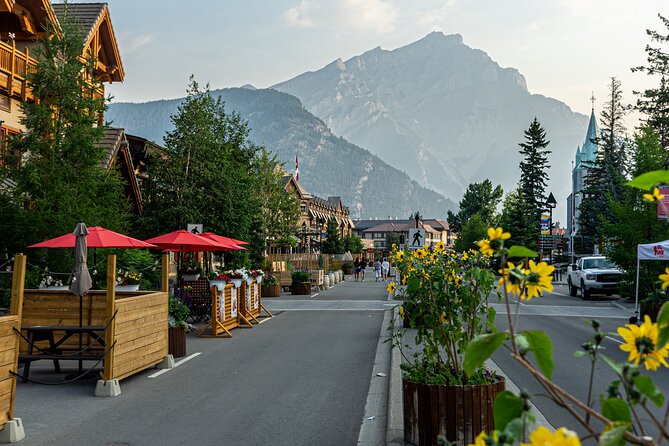
Day two is where the Rockies start feeling real. After breakfast back in Revelstoke, you head for Rogers Pass Summit, a stop built for both views and context. This is one of those places where it’s easy to look around and then realize you’re standing in a serious weather corridor—so the stories from your guide often hit harder here.
Rogers Pass Summit stop
The schedule gives you a decent window, which is important. You don’t want to be rushed at a place where fog, wind, and changing light can affect what you see. You also want time to orient yourself so the next lakes make sense geographically.
Lake Louise: lunch and time to explore
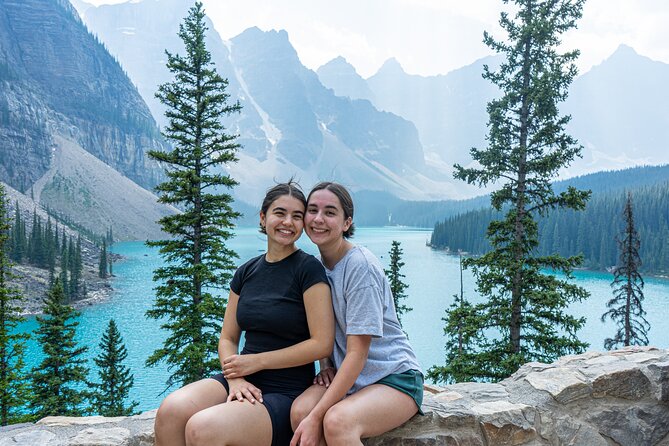
You’ll stop for lunch and have time at Lake Louise. This is a classic reason people come to Banff for the first time. Even without getting too technical, it’s the kind of place where your brain goes quiet for a minute.
The drawback? It’s popular. Your best move is to use your time efficiently: take your first photos early, then walk a short loop so you don’t feel trapped at the most crowded spot.
Moraine Lake: short and worth it
Then comes Moraine Lake, and the timing is tight—about 30 minutes of visit time. This is the kind of stop that pays off if you’re ready to work fast: camera batteries charged, comfortable shoes on, and a calm mindset if parking or foot traffic slows you down.
Drive into Banff: a town tour and real evening freedom
You finish with a sightseeing orientation in Banff—including stops around Banff Ave, Bow Falls, and the Banff Springs Hotel area. This matters because once you understand where things are, the rest of your time in town feels easier.
After check-in on Banff Avenue, you get free time for dinner, shopping, and the option to visit Banff Hot Springs. This is the best night for doing something optional because you’re not turning around immediately for another long drive.
Practical tip: If you want a hot-springs moment, don’t wait until the last minute. The tour says it’s an option, and popular time slots tend to fill.
Icefields Parkway and Jasper: Where the Coach Turns Into a Scenic Classroom
Day three starts in Banff with breakfast, then you move onto one of Canada’s most famous drives: the Icefields Parkway. This part of the tour is built around the Columbia Icefield region.
Columbia Icefields stop: viewpoints and the optional Ice Explorer
You’ll spend about six hours through the Icefields Parkway area. That’s a generous time window for a coach tour because you’ll usually need breaks—both for legs and for photos.
There’s an optional Ice Explorer Glacier Tour with an extra cost. This is the classic add-on for people who want more than just a glacier-view from the road. If you’re on a tight trip and you hate “maybe someday,” this is one of the better places to spend extra money.
The main consideration is basic stamina. Even if you love views, you’ll likely do a mix of walking, standing, and waiting for photo conditions.
Jasper quick stop
You then continue to Jasper for free time (including time for dinner). Jasper is smaller and calmer than Banff, so it’s a nice reset after big-name crowds. You’re not given long here, but enough to eat and feel like you changed towns rather than just passed through.
Mount Robson: brief but dramatic
There’s also a brief stop for Mount Robson, weather and seasonal conditions permitting. It’s a “don’t blink” moment—treat it like a quick photo plus a moment of awe, then move on. The tour format doesn’t promise long set-up time, so your best approach is to arrive ready.
Overnight in Valemount
Finally, you check into a hotel in Valemount. This is where the tour stops feeling like a whirlwind and starts feeling like a real overnight trip. Even a short evening can help you reset before the last day.
Spahat Falls and the Return to Vancouver: Last Day, Big Views
On day four, you get breakfast and then head to Spahat Falls in Wells Gray Provincial Park. The schedule gives you three hours here, and that extra time compared to some of the lake stops makes Spahat Falls feel less rushed.
Spahat Falls: a nature-focused finish
This is your best nature-heavy finish on the trip. The time allocation suggests you can take a short walk, see the falls from the main viewing areas, and still breathe. If your trip has felt “drive, look, photo, move” so far, this stop gives you more room to actually enjoy it.
Back to Vancouver via Okanagan Valley
After Spahat Falls, you’re back on the road for about six hours with multiple stops along the way. This is where snacks and patience matter most, because long coach returns can blur into each other.
You arrive back in Vancouver at about 7:30 pm.
Practical tip: Pack a few snack options. The tour includes only one lunch (day 1 or day 4 depending on departure date), so you’ll want backup for energy.
Price and Value: What Your $912.52 Covers (and What It Doesn’t)
At $912.52 per person for roughly four days, the real question is whether the inclusions match how you like to travel.
Here’s what’s built in:
- Deluxe coach transportation with on-board entertainment
- 3 nights of hotel accommodations, including one night in downtown Banff
- Friendly, experienced guide
- Wine tasting
- All fees and taxes
- Breakfast (3)
- 1 lunch (either day 1 or day 4 depending on the date)
What’s not included:
- Meals beyond that one included lunch and your hotel breakfasts
- Gratuity
- Optional add-ons like the Ice Explorer Glacier Tour
Why this can be good value
The biggest value driver is that you’re buying transport plus guided structure plus lodging in three different towns. For the Rockies, that usually costs more when you arrange it yourself, especially if you want to hit Moraine Lake, Banff, and the Icefields in a short timeframe.
The part you must manage yourself
Your comfort will depend on what you bring:
- Snacks and water for long drive windows
- A plan for meals since only one lunch is included
- Weather layers, because mountains change fast
Hotels in Revelstoke, Banff, and Valemount: Convenience Matters
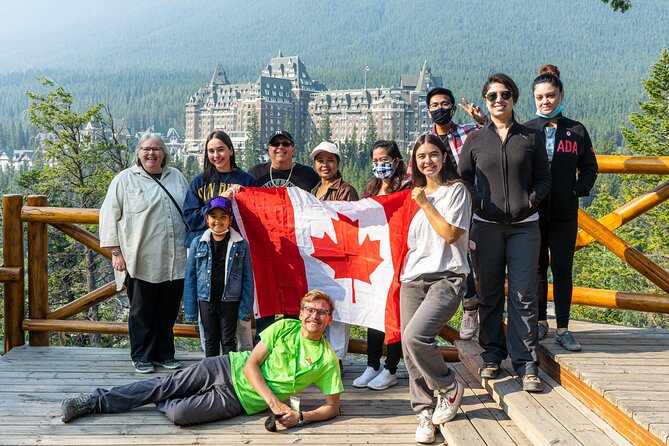
The overnight plan is part of what makes the schedule work. You’re sleeping in Revelstoke first, then Banff (downtown), then Valemount.
That downtown Banff night is especially helpful. When you stay outside town, evening plans can feel like logistics. Here, the tour sets you up to walk to dinner and shopping after the sightseeing tour.
In Revelstoke and Valemount, the vibe is more about convenience than nightlife. You’re there to recharge, shower, and get an early start again.
Practical tip: Bring something small you can use at any hotel room—like a portable charger and a light sweater—because you’ll likely be moving between activities and storage constantly.
The Guide Factor: Stories, Safety, and Bus-Comfort Details
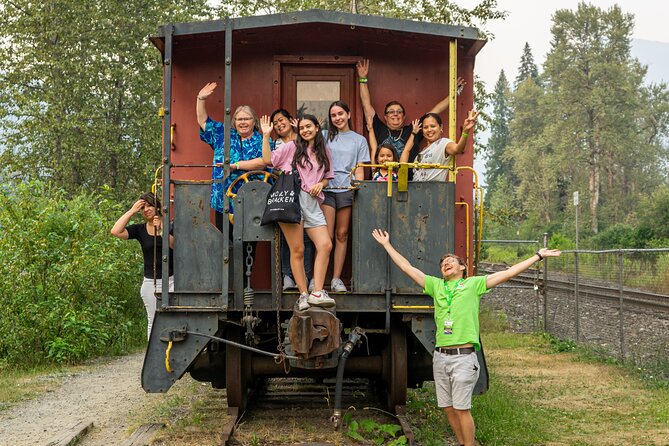
The biggest performance difference in this kind of tour usually comes down to the guide and driver.
Across the feedback you provided, several names show up as standouts: Omar, Ryan, Ben, and bus leadership credited to Yi. The common thread is active guiding—people talk about helpful advice and a good mix of stories and on-board fun. One note describes the guide going above and beyond with extra presentations and playful touches like music and sound effects, which can keep long days from feeling monotonous.
What you should expect from good guiding
- Clear guidance on what to look for at each stop
- Recommendations for meals during free time
- A calm approach to timing, especially when multiple photo moments happen close together
Coach realities
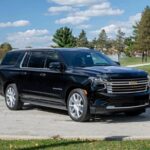
This is a large route with a maximum of 54 people. That means you’ll have structure, but you won’t get one-on-one attention. Plan to work with the group pace, not against it.
Arrive at the start location (Canada Place) early, and treat the scheduled stops as windows. The tour format won’t slow down just because you want one more photo.
Comfort tip that actually helps: If you’re sensitive to long sitting, bring a small travel pillow or use a jacket as back support. Your body will thank you on day three.
Optional Add-Ons: Ice Explorer and How to Decide Without Regret
The only explicitly listed optional add-on is the Ice Explorer Glacier Tour during the Icefields portion.
If you hate spending extra money on tours, you can still have a great time with the included viewpoints. But if you want more than a roadside look—something that puts you closer to the glacier environment—the Ice Explorer is likely the most meaningful upgrade on this itinerary.
My decision rule for add-ons is simple:
- If it adds a distinct experience you can’t get elsewhere easily, consider it.
- If you’re likely to skip it because of time or budget, keep your money and focus on the included stops.
Either way, remember that the tour schedule already has limited time at several highlight points, so planning matters.
Who This Tour Is Best For (and Who Should Skip It)
This is a strong fit for:
- First-timers who want Banff, Lake Louise, Moraine Lake, and Icefields in a short trip
- People who like a structured plan and don’t want to coordinate multiple hotels and drives
- Travelers who enjoy a mix of towns and viewpoints, not just hiking all day
It’s a weaker fit if:
- You want long, unhurried time at each lake (this tour is built for multiple key stops)
- You dislike coach travel and prefer fully independent travel
- You’re traveling with kids under six, since the tour isn’t available for child aged 6 and under
If you’re on a tight timeline and want maximum “wow per day,” this works.
Should You Book This 4-Day Banff and Rockies Classic?
I’d book this if you want a high-visibility Rockies sampler with guided structure, hotel nights handled, and big names hit efficiently. It’s also a smart choice if you value the guide’s role in turning stops into stories, not just photo breaks.
I wouldn’t book it if your ideal vacation is slow and deeply flexible. This one is designed for movement, and the reward is seeing a lot—fast.
If you do book it, prepare like a pro: pack snacks for long coach hours, bring layers for changing mountain weather, and use your short stop times with a quick plan (photos first, then a slow walk).
FAQ
FAQ
What time does the tour start in Vancouver?
It starts at 8:00 am at Canada Place (999 Canada Pl, Vancouver). The tour notes you should arrive about 15 minutes early.
Where does the tour end?
It returns to the same meeting point in Vancouver (Canada Place) at approximately 7:30 pm on the final day.
How much does the 4-day tour cost?
The price is $912.52 per person.
What’s included in the tour price?
The tour includes deluxe coach transportation, a tour guide, 3 hotel nights (including one night in downtown Banff), wine tasting, all fees and taxes, 3 breakfasts, and 1 lunch (either on day 1 or day 4 depending on departure date).
Are meals included besides breakfast and the one lunch?
Only 3 breakfasts and 1 lunch are included. Other meals are not included.
Is the Ice Explorer Glacier Tour included?
Not automatically. The Ice Explorer Glacier Tour is an optional add-on during the Columbia Icefields portion and costs extra.
What’s the group size like?
The tour has a maximum of 54 travelers and requires a minimum of 22 guests to operate.
Is the tour suitable for children?
It’s not available for children aged 6 and under. Anyone 15 or younger must travel with a parent or guardian. Ages 16–18 may travel without a parent, but a parent or guardian must be present on the departure day to sign waiver forms.
Can I get a refund if I cancel?
No. This experience is non-refundable and cannot be changed for any reason.