REVIEW · VANCOUVER
Explore Vancouver: Beaches & Downtown Audio Tour Bundle
Book on Viator →Operated by Adventures with Action · Bookable on Viator
A beach-to-downtown loop, told by your phone. I love the hands-free offline audio that plays as you move, and the low-key format that keeps you in control without coordinating anyone. You get a route that strings together calm shores, big-city landmarks, and a handful of quick walks with story-rich context.
This is a per-car style experience priced at $14.99 per group (up to 4), so it can be a budget win compared to paying per person for a bus tour. It’s also built for real sightseeing time: you can start when you want, pause for snacks or photos, and continue at your own pace through parks and viewpoints across Vancouver’s west side and downtown.
One thing to consider: this is mostly a drive-and-listen route with short stops. If your main goal is long beach time or repeated swimming, you’ll likely want extra free time beyond the core audio loop.
In This Review
- Key things to know before you go
- How This Self-Guided Vancouver Loop Works While You Drive
- Sunset Beach, Burrard Street Bridge, and Kitsilano’s Westside Views
- Jericho, Locarno, and Spanish Banks: Three Beach Personalities in a Row
- UBC and the Gardens: University Context and Japanese Garden Authenticity
- Gastown Steam Clock, Robson Square, and Stanley Park’s Icons
- Price and Value: Why $14.99 per Group Can Beat the Usual Tour Math
- Tips to Make the Audio Feel Effortless in Vancouver
- Should You Book This Vancouver Beaches & Downtown Audio Tour?
- FAQ
- How much is the Vancouver Beaches and Downtown audio tour?
- How long does the tour take?
- Is the tour available in English?
- Can I use the tour with no cell service?
- Are tickets or admission included for attractions?
- Is there a guide who meets you at the start?
- Does the audio play automatically?
- Do I get to use it again later?
- What are the opening hours?
- What if I need to cancel?
Key things to know before you go
- Offline, location-triggered stories: Download once, then the audio can run without cellular service.
- Priced per group, not per person: Up to four people per purchase makes families and small groups feel fair.
- Beaches plus downtown in one sweep: You’ll hit Sunset Beach, UBC, Gastown, Robson Square, and Stanley Park.
- Quick, walkable lookouts: Stops like Prospect Point are short walks with strong payoff.
- A history-leaning narration style: Expect more context than you might get from pure photo stops.
- Quiet-beach option: Locarno is regulated so amplified sound is not permitted.
How This Self-Guided Vancouver Loop Works While You Drive
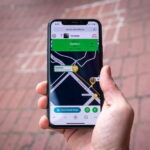
This tour is set up like a tap-on and go day. You don’t show up and meet a guide at the start. Instead, you go to the starting point, open the Action audio app onsite, and follow the cues from there.
The audio is hands-free and plays automatically based on your location. That means you’re not constantly checking your screen. You can pause whenever you want and jump out for a closer look, then hop back in and continue. This is especially handy when you run into real-life Vancouver moments like stopping for parking, grabbing a snack, or letting a view clear out.
You’ll also get offline maps and the ability to listen without relying on cell service during the route. The catch is you need to download the tour while you’re on strong Wi‑Fi or cellular first. Once that’s done, the app can keep working as you move around the city.
Timing is the usual self-guided tradeoff. Expect about 2 to 3 hours for the whole experience. The audio itself is described as taking about 1 to 2 hours to complete, which is your hint: if you keep exits quick and don’t linger too long at each park entrance, you can stay near the faster end.
You can also read our reviews of more tours and experiences in Vancouver


Sunset Beach, Burrard Street Bridge, and Kitsilano’s Westside Views
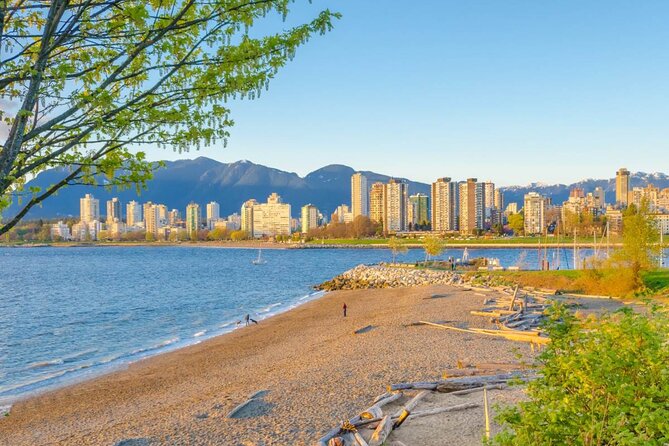
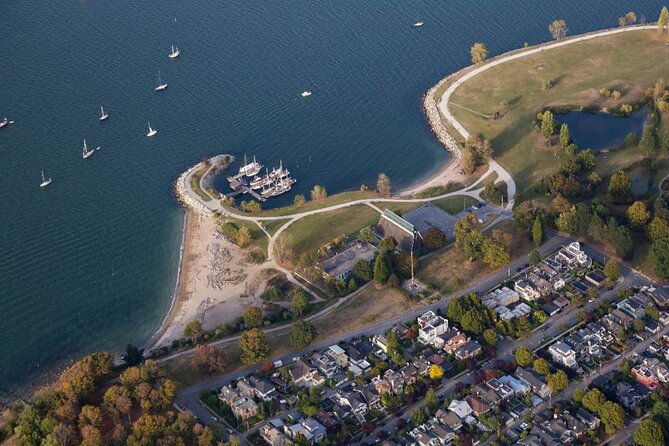
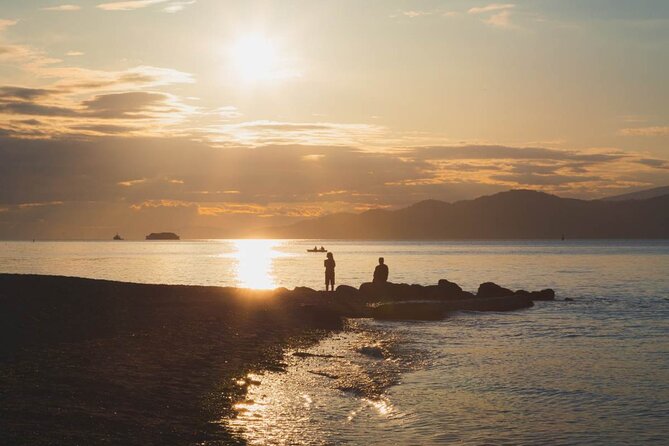
The route begins with a gentle beach mood at Sunset Beach. This is a sheltered strip of sand with calm waters, concessions, and even a grassy area if you’re not in the mood to do full-on flip-flop gymnastics. For a first beach visit for kids or a relaxed morning for adults, it’s a solid starting point because it feels easy and approachable, not like an all-day mission.
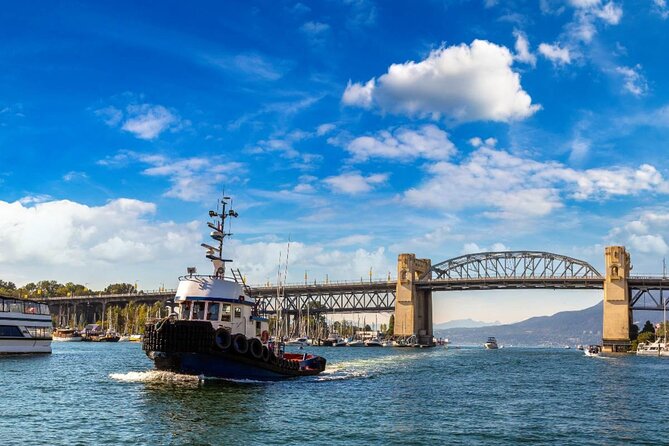
From there, you’re on to Burrard Street Bridge, described as the oldest bridge in Vancouver. The main attraction here is the outside look—but the narration adds the fun twist: the south tower hides a sealed stairwell that once connected the bridge to Vanier Park, sealed off nearly 100 years ago. It’s one of those “wait, what?” details that makes a normal city drive feel more like exploring.
Then comes Kitsilano, the neighborhood locals often shorten to Kits. This stop is more than geography. The audio frames Kitsilano as one of the most desirable places to live in British Columbia, especially for young professionals. Practically, you’ll also get a feel for the coastal scene with views toward English Bay and the beach stretches nearby.
If you time it for the right months, Kitsilano adds a standout real-world feature: the heated outdoor pool at Kitsilano Beach Park. It’s saltwater, runs 137 meters long (Canada’s longest pool), and is open seasonally from May to September. Even if you don’t swim, it’s a memorable Vancouver detail that turns the “pretty coastline” stop into something you’ll remember later.
One drawback to keep in mind: these early stops are meant for short picture-and-story windows. You can get out, but this isn’t a “park yourself here all afternoon” kind of route.
Jericho, Locarno, and Spanish Banks: Three Beach Personalities in a Row
After Kitsilano, you get a clear sense of Vancouver’s beach variety. Next up is Jericho Beach Park. The narration gives you an origin story for the name: it comes from Jeremiah Rogers, a 19th-century logger who worked in the area. That small historical note helps you connect the modern shoreline to older Vancouver.
Then you roll into Locarno Park, and the vibe shifts toward calm. Locarno is described as quiet by law, with amplified sound not permitted. If you’ve had enough of vacation-day noise, this is the kind of rule that can make a beach stop feel genuinely restful instead of crowded and chaotic.
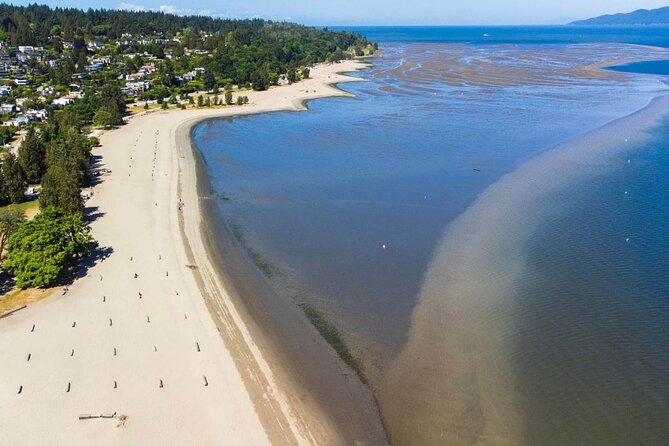
After that, the route opens out toward Spanish Banks Beach Park, Vancouver’s most spacious beach in this area. The sandy banks stretch about a mile along the far western edge of the city. Being close to the University of British Columbia means you can expect more student energy and an outdoorsy crowd, including people looking for good waves.
This is where the tour does something smart for your planning. You’re not only seeing beaches; you’re learning what kind of beach each one is. Sheltered and easy at Sunset Beach, history-flavored at Jericho, quiet by regulation at Locarno, and open-air plus wave potential at Spanish Banks.
The main consideration is pacing. You’ll likely do quick lookouts and short exits rather than long swims at each one. If that’s not your style, think of these as a curated sampler of the coast, not a beach-hopping itinerary built for hours of sunbathing.
UBC and the Gardens: University Context and Japanese Garden Authenticity
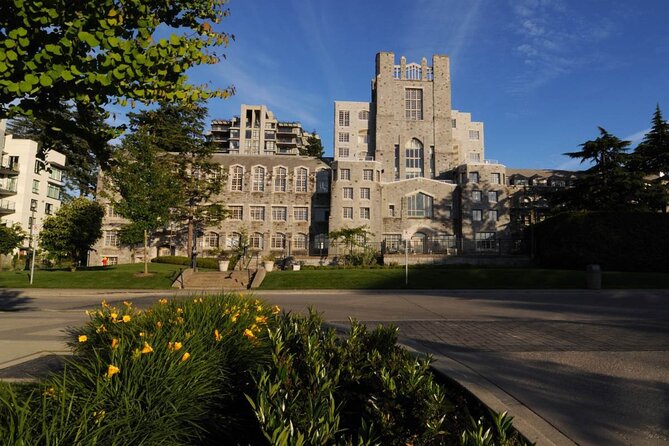
Once the route heads inland toward the University of British Columbia, the narration shifts from beaches to the bigger story of Vancouver itself. The audio frames the university’s relationship with First Nations people as a key theme, and it notes that the story of Vancouver’s largest university mirrors the story of the city.
This is useful because it adds meaning to a place you might otherwise treat like a scenic campus drive. You’re not just watching green spaces go by; you’re getting a lens for understanding why the city looks and feels the way it does.
Right after UBC’s university context, you pass Nitobe Memorial Garden, home to a traditional Japanese garden. The narration makes a specific point about authenticity, including a reported moment from 2009: Japan’s 125th emperor, Akihito, reportedly strolled through and said, I am in Japan. That detail is the kind of fact that gives a short park pass more weight than a random photo stop.
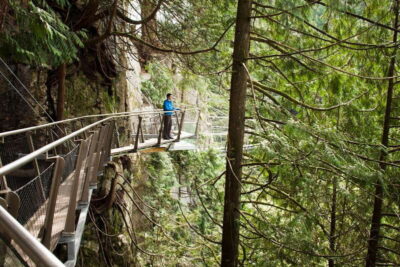
Finally, you reach the end-of-tour green moment at UBC Botanical Garden & Centre for Plant Research. This is where you can choose your pace. The audio suggests exploring the famous Treewalk, or simply taking a stroll through the garden grounds. If your brain loves nature variety, this is a great way to end the tour with something calmer than traffic and landmarks.
The benefit here is simple: you get two different garden flavors in one arc—Nitobe for cultural design and UBC Botanical for plant-focused exploration. The tradeoff is time. If you want the Treewalk experience to feel unhurried, plan to spend a bit longer than the audio’s typical short stop rhythm.
Gastown Steam Clock, Robson Square, and Stanley Park’s Icons
Downtown hits with classic Vancouver characters. First is the Gastown Steam Clock, famous for steam-powered whistles and a small engine that uses steam to wind the clock. The narration also notes it’s one of only seven working steam clocks in the world. Even if you’re not a clock person, it’s an easy landmark to remember, and it adds a playful, mechanical note to the day.
Next comes Robson Square. Here the focus isn’t only views—it’s function and atmosphere. The audio points out it’s home to important provincial courts, and that it also has a covered skating rink. Even if skating isn’t happening when you go, it’s a good stop because it explains why Robson Square feels like more than just another downtown plaza.
Then, the route builds to Stanley Park, where the narration turns iconic into meaningful. The Totem Poles get explained as works inspired by First Nations carved poles created for centuries. The story emphasizes that they represent ancestry, stories, and spiritual symbols. It’s the kind of context that helps you look at the poles as living cultural expression, not just roadside decoration.
From there comes the most dramatic repeated-time attraction on the route: the Nine O’Clock Gun. It’s a historic cannon in Stanley Park that still fires every evening at 9:00 PM. The narration also includes a real local mystery from 1969: the gun was stolen and returned only after a ransom donation was raised, pulled off by UBC engineering students. That story makes the stop feel less like a lecture and more like a legend with a punchline.
And if you still want one last view before you wrap up, the route adds Prospect Point Lookout. It’s an easy short walk from the parking area, with sweeping ocean views and views toward the Lions Gate Bridge. There’s also a Squamish legend woven into the stop: Shaunz and Siwash, said to have been turned to stone as a lasting example of perfect parents.
You can also read our reviews of more tours and experiences in Vancouver

Price and Value: Why $14.99 per Group Can Beat the Usual Tour Math
At $14.99 per group (up to 4), the price works best for anyone traveling with at least two people. Instead of thinking per ticket, think per car. For families, it’s especially good because kids can join without a per-person surcharge that quickly balloons the cost.
You also get value in the way the route is designed. You’re covering a big mix: beach stops, UBC garden stops, and downtown and Stanley Park icons, all without paying for attractions separately. That matters because the tour itself does not include attraction passes, entry tickets, or reservations.
So what you’re really paying for is the storytelling and the guidance. The route claims more than 19 audio stories across about 9+ miles, which is a lot of explanation and context for a low entry fee. If you enjoy learning why a place got its name, why a park sits where it sits, and what makes Vancouver feel like Vancouver, this format can be a bargain.
If you’re only looking for scenery with minimal reading, you might find the experience leans more history-lesson than pure sightseeing. That’s not a flaw; it’s just the right expectation. Treat it like a smart audio walk/drive, not a photo tour.
Tips to Make the Audio Feel Effortless in Vancouver
This kind of tour lives or dies on setup. Do this early and you’ll have a smoother day.
- Download while you have strong signal. The tour needs to be downloaded over Wi‑Fi or cellular first, then it can work offline.
- Use the app outdoors, not in a dim car dashboard maze. Location-based audio works best when your phone has a clean sense of where you are.
- Get sound right. You can connect your phone to your car stereo via Bluetooth, USB, or AUX. For walking parts, headphones can help keep you in audio mode without leaning over traffic noise.
- Expect short stop times, not long museum-style sessions. The route is built to keep you moving from story point to story point.
- Follow the route and speed limits. It’s self-guided, but the city still has normal rules. The best experience comes when you don’t try to stretch every stop.
Also, keep the device requirements in mind. The experience is recommended for iPhone models running iOS 15 or later, Android devices version 9 or later, or an iPad/tablet with GPS and cellular connectivity.
If you start and the audio doesn’t behave, you can contact support for audio issues. But with a proper download and a device that meets the recommendation, most people won’t need troubleshooting.
Should You Book This Vancouver Beaches & Downtown Audio Tour?
Book it if you want a cost-friendly way to see a lot of Vancouver without paying for a guide, and you like stories that add context to landmarks. It’s a strong fit for small groups and families because the pricing is per group up to four, and the format supports breaks for snacks, photos, and short walks.
Don’t book it as your only plan if your top priority is long beach lounging or slow, repeated swims at one shoreline. This route gives you coastline variety and quick access to major icons, but it’s not built for hours of downtime at each stop.
My rule of thumb: if you want to feel like you covered West Vancouver’s coast, got a UBC garden moment, and ended with Stanley Park’s biggest hits, this is a smart use of half a day. It’s the kind of tour that makes a normal drive feel like a guided conversation with the city.
FAQ
How much is the Vancouver Beaches and Downtown audio tour?
It costs $14.99 per group, and the group size is up to 4 people.
How long does the tour take?
The experience is listed as about 2 to 3 hours. The audio itself is noted as taking about 1 to 2 hours to complete, depending on how long you spend at stops.
Is the tour available in English?
Yes, it’s offered in English.
Can I use the tour with no cell service?
Yes. It includes offline maps, and once you download the tour in strong Wi‑Fi or cellular, it can work offline.
Are tickets or admission included for attractions?
No. Attraction passes, entry tickets, or reservations are not included.
Is there a guide who meets you at the start?
No. This is self-guided, and no one will meet you at the start. You start the app at the starting point.
Does the audio play automatically?
Yes. The audio stories are hands-free and play on their own based on your location.
Do I get to use it again later?
Yes. You get new, lifetime access with no expiry, so you can use it on future trips and multiple times.
What are the opening hours?
The tour’s hours are listed as 6:00 AM to 9:00 PM, Monday through Sunday.
What if I need to cancel?
You can cancel for a full refund if you cancel at least 24 hours before the experience starts. If you cancel less than 24 hours before, the amount paid is not refunded.