REVIEW · VANCOUVER
Gastown, the origins of Vancouver
Book on Viator →Operated by MORTOUR GUIDED TOURS · Bookable on Viator
Gastown is Vancouver in miniature. In about 75 minutes, a guide leads you through the streets and landmarks that explain how this city took shape, from Powell Street’s old-world corners to big icons like the steam clock. It’s a tidy way to get your bearings fast and start spotting history in plain sight—especially if you like photos and good stories.
I especially like the tour’s stop choices: the Steam Clock and the Vancouver train station opened in 1914 give you two anchors you can remember long after the walk. I also like how the guide connects the neighborhood’s back alleys—where dry-law-era business and shady dealings once happened—to the early 20th-century buildings still standing today.
One thing to consider: this is a walking tour, and it’s also weather-dependent. If you’re not a fan of time-boxed sightseeing (you only get about 1 hour 15), you’ll want to bring comfy shoes and a flexible attitude.
In This Review
- Key things to know before you go
- Why Gastown is the shortest path to Vancouver’s origins
- Timing, meeting points, and how to fit it into your day
- Powell Street landmarks: the Steam Clock, the lookout building, and the 1914 station
- Steam Clock moment
- Lookout building stop
- Vancouver train station opened in 1914
- Main Street walking: how the route connects old streets to city identity
- Dry-law era alleys and early 20th-century buildings: where the stories get specific
- An emblematic bar over 120 years: history you can almost feel
- Expo 86 venue stop: seeing how old Vancouver links to the modern one
- Guide quality: why the people behind the walk matter
- Price and value: is $52.45 worth 1 hour 15?
- Practical tips to make the most of your walking time
- Should you book this Gastown origins tour?
- FAQ
- How long is the Gastown guided tour?
- What does the tour cost per person?
- Where is the tour meeting point and where does it end?
- Is this tour private?
- What languages are available for the tour?
- Do you get a mobile ticket?
- Is the tour suitable for most travelers?
- Are service animals allowed?
- What happens if the tour is canceled due to poor weather?
Key things to know before you go
- Private group, personal attention: Only your group joins, so you can ask questions and set a comfortable pace.
- Language options: Tours are offered in English, Spanish, and Chinese.
- Best “photo + facts” route: You’ll hit landmarks like the steam clock, a lookout building, and major historic sites in a short span.
- Dry-law era details in the alleys: Expect stories tied to prohibition-era activity, not just surface-level sightseeing.
- Old-meets-new Vancouver: The walk also connects into modern-city landmarks tied to Expo 86.
- Mobile ticket included: No paper scramble—your ticket lives on your phone.
Why Gastown is the shortest path to Vancouver’s origins
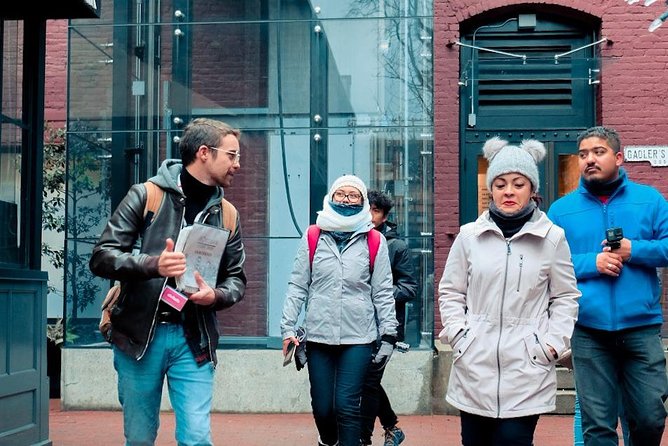
Gastown isn’t just a cute neighborhood with brick sidewalks. It’s where Vancouver’s early identity shows up first, in architecture, street patterns, and names you’ll keep seeing later. And because it’s compact, you can actually learn something without spending your whole day on logistics.
What I like about this tour approach is that it doesn’t treat Gastown like a museum display behind rope. You’re walking through it as a living place—where people still go for coffee, where storefronts and streets still frame your photos, and where the history is close enough to point at. In other words, you’re not stuck staring at a single plaque for 20 minutes.
The tour’s core promise is straightforward: you’ll get the origins of Vancouver and the story behind why Gastown became such an important emblematic area. That matters, because once you understand the “why,” you start noticing the “what”—and the streets start to feel less random.
You can also read our reviews of more tours and experiences in Vancouver.

Timing, meeting points, and how to fit it into your day
The tour runs for about 1 hour 15 minutes, which is long enough to cover several real stops, but short enough that it won’t swallow your entire morning or afternoon. Departure times are available, and the schedule is designed for people who want a structured walk without signing up for a full-day commitment.
You start at 4 Powell St, Vancouver, and you end at Canada Place (999 Canada Pl). That end point is useful because it sits near a lot of visitor activity—so you can roll right into waterfront views or another plan instead of feeling like you need a separate transit mission.
Because it’s near public transportation, you’re not locked into one specific route to get there. If you’re building a day around walking and photos, this is a strong fit: start near Powell, finish near the Canada Place area, and you can keep moving.
Practical tip: plan your outfit like you’ll be on sidewalks for a while. Even with a guide, you’ll be walking between stops, and Gastown’s streets can mean more foot traffic, more turns, and more time where your camera is out. Comfy shoes beat “pretty shoes” here.
Powell Street landmarks: the Steam Clock, the lookout building, and the 1914 station
Once you’re on the move, the tour quickly gives you landmarks that act like mileposts for your memory.
Steam Clock moment
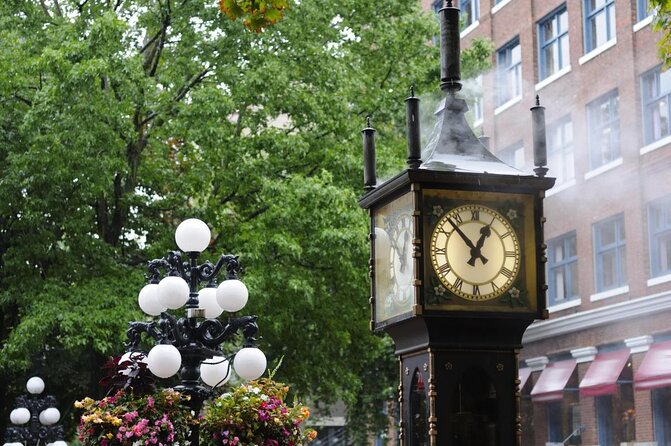
The famous steam clock is the big visual anchor. It’s one of those places you’ll recognize instantly in photos, but seeing it in context is the point. The guide uses it to tie the neighborhood’s early-era identity to the present-day city—so it isn’t just a photo opportunity. It becomes a storytelling reference point you can build on as the walk continues.
If you like landmarks that help you orient yourself later, this stop is worth the short pause.
Lookout building stop
Next comes an iconic lookout building—another “spot it from far away” type of stop. This part helps you connect Gastown’s street-level history with the idea that Vancouver has always been a city of views and viewpoints. Even if you don’t go up anywhere, you’ll come away more aware of how the city is laid out.
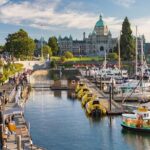


Vancouver train station opened in 1914
Then you hit the Vancouver train station opened in 1914. This is where the tour shifts from neighborhood flavor to structural growth: trains, development, and the kind of infrastructure that changes how a city functions. If you care about how cities grow from working parts into tourist icons, this stop lands well.
A small consideration: you’ll want to pay attention because these landmarks are close, but the time is limited. The guide’s job here is to keep the flow, so you’ll get the context without a long detour.
Main Street walking: how the route connects old streets to city identity
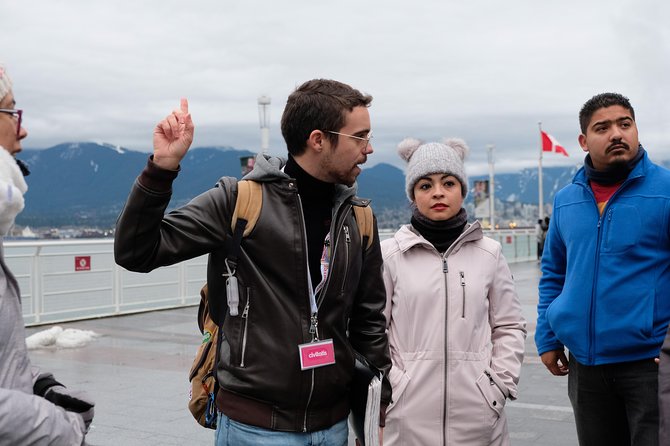
As the tour continues along main street of Vancouver, it starts to feel less like you’re just collecting sights and more like you’re following a route with logic. That’s the difference between a random “see everything” stroll and a guided walk designed to explain a place.
You’ll get the feeling that Gastown isn’t isolated history. It’s an early thread that connects to the wider city. And because the tour is short, you won’t get the fatigue that can come with longer walking tours.
The best way to use this section: keep your questions handy. If anything sparks interest—an older storefront, a building style, a name you recognize—ask. With a private group, you can steer the conversation without derailing the whole tour.
Dry-law era alleys and early 20th-century buildings: where the stories get specific
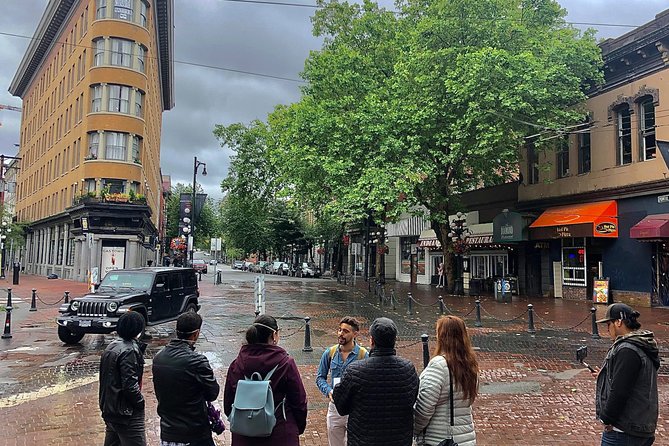
One of the most interesting parts of this experience is the focus on the alleys tied to dry-law-era activity. This isn’t offered as a generic “people were partying back then” tale. The tour points you toward the specific idea that shady business and murky dealings happened in the back lanes—then connects it to what you can still see in the historic buildings of the early twentieth century.
Why that matters: alleys are where cities show you their old rules. They reveal how people moved when rules were different, how commerce worked when it was hidden, and how neighborhoods formed around activity.
Also, the guide’s storytelling tone can make a big difference here. In past walks, I’ve seen examples of guides like Fernando being patient and answering questions clearly, which helps when you want more than quick sound bites. Another guide, Ken, has been described as friendly and strong on the origins side—meaning you’ll likely understand the “why” behind the scenes, not just the “what.”
If you’re the type who likes to connect the dots while you photograph, this is the part of the tour that tends to stick.
An emblematic bar over 120 years: history you can almost feel
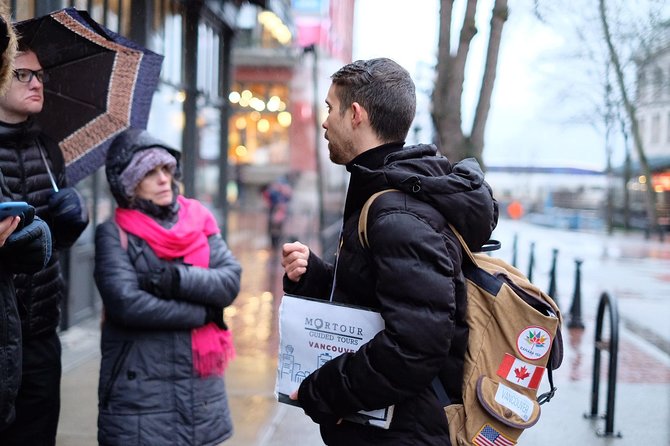
You’ll also stop at an emblematic bar with more than 120 years. This is one of those places where the building itself is part of the story. You’re not just looking at a structure; you’re looking at a long-running social center that reflects how Gastown developed as a gathering point.
Even if you don’t go inside on the spot, this stop gives the tour a human scale. A city’s origins aren’t only about infrastructure. They’re also about where people went to talk, trade, celebrate, and escape.
This can also be a good checkpoint: if you want to regroup your photos and decide what to revisit on your own after the tour, this is a solid moment to pause.
Expo 86 venue stop: seeing how old Vancouver links to the modern one
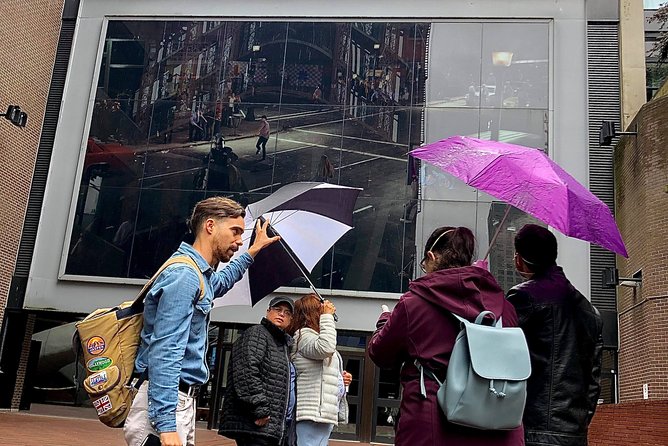
One of the more satisfying surprises is that the walk doesn’t freeze the city in the past. You’ll make a stop at an Expo 86 venue. That adds a layer that many quick neighborhood tours skip: the story of Vancouver keeps moving.
Expo 86 is a marker of modern development and international attention, and connecting it to Gastown helps you understand the city as a timeline rather than a single “heritage zone.” It’s a gentle way to broaden your view beyond one neighborhood while still staying within an efficient walking schedule.
If your itinerary has you doing big-city sights later—harbor area, museums, skyline views—this stop helps you connect the dots earlier.
Guide quality: why the people behind the walk matter
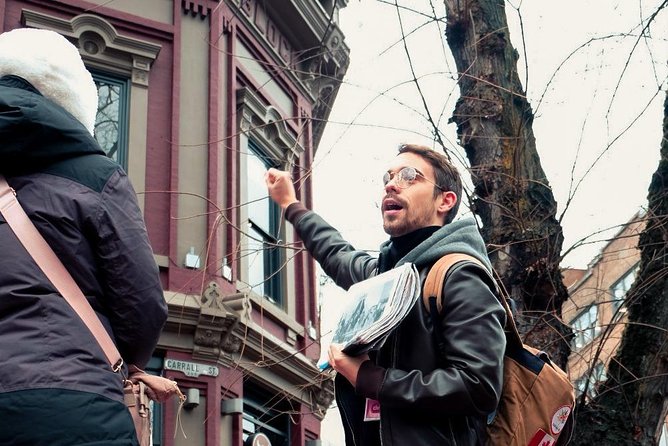
The biggest variable in any historical walking tour is the guide. Here, the format is private, and that usually means the guide can adapt to your pace and questions without rushing to fill a fixed script.
From what’s been shared with prior groups, guides such as Fernando have been praised for knowledge and patience. Ken has been described as both friendly and good at explaining the origins side. And Moises has been mentioned for giving extra recommendations after the walk, which is exactly the kind of bonus that makes a short tour feel more valuable.
Look for this during your experience: if the guide can point out a building or a street corner and explain what it meant at the time, you’re in good hands. That’s where the tour’s value lives.
One practical note: the tour is weather-dependent. If conditions aren’t ideal, the operator may adjust plans. Having a backup day or flexibility in your schedule makes everything easier.
Price and value: is $52.45 worth 1 hour 15?
At $52.45 per person, this isn’t a throwaway free-walk price. But for a private guided walking tour that includes multiple major landmarks—steam clock, 1914 station, a lookout building, an emblematic 120+ year bar, and an Expo 86 stop—the cost can make sense.
Here’s when it’s a strong value:
- You want a guided route so you don’t waste time figuring out what matters most.
- You care about stories and context, not just photos.
- You’re traveling with someone who benefits from personal attention and the chance to ask questions.
- Your group is small enough that “private” feels like a smart trade rather than a splurge.
Here’s the main reason it might feel expensive:
- If you’re the type who can easily self-guide using a map and a couple of landmark searches, you might feel the time is too short to justify the fee.
My advice: if you plan to do more walking anyway in Gastown and around the waterfront, this tour works like a focused starter—setting you up for the rest of your day with better context.
Practical tips to make the most of your walking time
A few small moves can dramatically improve your experience on a short tour like this.
- Bring comfortable shoes. You’ll cover several stops in a compact area.
- Pack a light layer. Vancouver weather can shift quickly, and this walk depends on conditions.
- If you want a specific vibe—more photos, more stories, more explanation—say so early. With a private group, that can shape how the guide handles pacing.
- Pick one thing to focus on after the tour: either the historic landmarks you want to revisit, or the modern Expo 86 connection you want to explore more.
Also, since the tour is offered in English, Spanish, and Chinese, choose the language that helps you follow details without strain. It’s one of the easiest ways to make a guided tour feel effortless.
Should you book this Gastown origins tour?
If you’re visiting Vancouver and want Gastown to make sense quickly, I’d recommend booking this. The route hits the kinds of landmarks that keep paying off after the tour: steam clock recognition, the 1914 train station context, dry-law era alley storytelling, and that Expo 86 thread to connect old and new.
Skip it only if you:
- hate short, structured walks,
- prefer fully self-guided exploring, or
- can’t handle weather-based schedule changes.
And because this is a guided, time-based experience, do yourself a favor: confirm your start details the day before so you’re not scrambling on arrival. The goal is simple—show up, walk, learn, and leave with Gastown’s story straight in your head.
FAQ
How long is the Gastown guided tour?
It lasts about 1 hour 15 minutes.
What does the tour cost per person?
The price is $52.45 per person.
Where is the tour meeting point and where does it end?
You start at 4 Powell St, Vancouver, BC V6A 1E7 and end at Canada Place, 999 Canada Pl, Vancouver, BC V6C 3T4.
Is this tour private?
Yes. It’s a private tour/activity, meaning only your group will participate.
What languages are available for the tour?
The tour is offered in English, Spanish, and Chinese.
Do you get a mobile ticket?
Yes. The experience uses a mobile ticket.
Is the tour suitable for most travelers?
The information says most travelers can participate.
Are service animals allowed?
Yes, service animals are allowed.
What happens if the tour is canceled due to poor weather?
If it’s canceled because of poor weather, you’ll be offered a different date or a full refund.