REVIEW · VANCOUVER
Vancouver Airport to-or-from Whistler or Squamish by Bus (Single trip)
Book on Viator →Operated by YVR Skylynx · Bookable on Viator
You can trade airport stress for mountain views. This YVR-to-Whistler bus is built around a simple idea: get you off the airport property fast, then drop you near key areas in Whistler (with a Squamish stop along the way). It’s also one of the more straightforward ways to travel between Vancouver and the resort without renting a car.
I like that pickup is at YVR Arrivals Level 2 at the Skylynx kiosk, so you’re not forced to figure out downtown transit first. I also love the onboard comfort basics: air-conditioning, a restroom, and Wi‑Fi to help pass the time.
One thing to consider: it’s not door-to-door. You’ll have a set pickup point at YVR and a set drop area in Whistler (Gateway Loop, plus an option for Creekside), and the drive time can stretch a bit depending on weather and stops.
In This Review
- Quick take: what really matters on this route
- YVR Skylynx to Whistler: a practical link to the mountain
- Where you board and where you get dropped off
- The ride experience: views, stops, Wi‑Fi, and comfort
- Timing to Whistler: how to plan for 3 hours without drama
- Price and what you get for $59.08
- Sports gear, bikes, and the stuff that slows buses down
- Driver service: what good looks like on the mountain road
- How this shuttle fits different kinds of travelers
- A few realistic drawbacks to watch for
- Should you book this YVR to Whistler bus?
- FAQ
- How long is the bus ride from Vancouver to Whistler?
- Where is the pickup at Vancouver International Airport?
- Where do you get dropped off in Whistler?
- Does the bus include Wi‑Fi?
- Is there a restroom on the bus?
- How much luggage is included?
- What are the rules for ski or snowboard gear?
- Are bikes allowed?
- Is service available for families and kids?
- Can I cancel for free?
Quick take: what really matters on this route
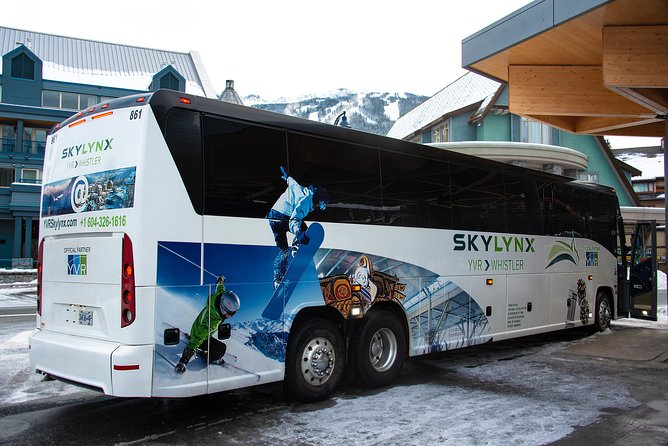
- Airport-to-resort convenience with pickup at YVR (Arrivals Level 2), not a random street corner
- Wi‑Fi and a restroom onboard so you can focus on the scenery instead of logistics
- Squamish stop included, which can break up the drive and improve the rhythm of the trip
- Whistler drop options: Whistler Gateway Loop or Creekside Village (outside Legends hotel)
- Watch the fine print on sports gear and extra bags, especially if you travel with more than the standard allotment
- Group size up to 46 means you should still plan for some waiting when the vehicle is full
YVR Skylynx to Whistler: a practical link to the mountain
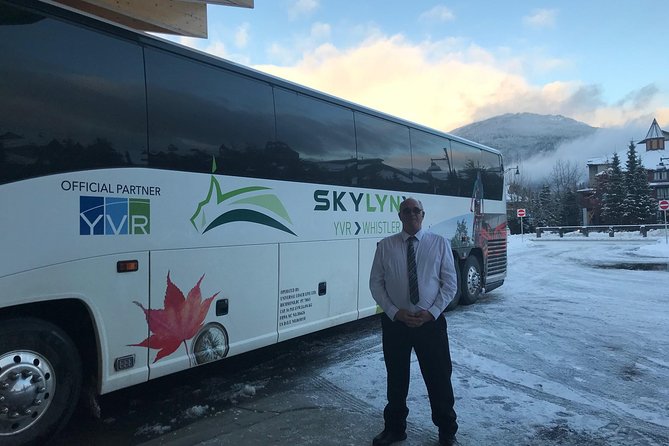
This is a straight-shot transfer in both directions: Vancouver International Airport (YVR) to Whistler, with an additional stop in Squamish on the way. The advertised ride time is about 3 hours, which is right in the zone for most early plans: enough time to settle in, grab a snack before you board, and still arrive with energy.
If you’re thinking about value, this bus fits a very specific budget profile. At $59.08 per person, you’re paying for the tradeoff that makes the trip easy: a shared vehicle, fixed pickup/drop points, and a schedule that’s designed for groups—not customized timing for your flight. For most people, that’s the sweet spot. For tight connections, you’ll want to pad your day because a shared shuttle has to work around everyone else.
You can also read our reviews of more tours and experiences in Vancouver



Where you board and where you get dropped off
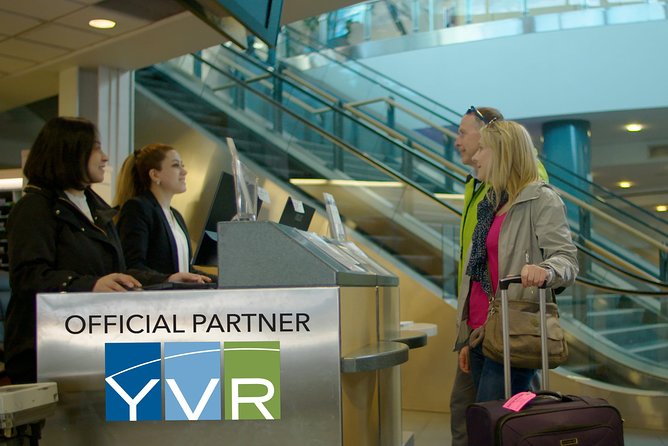
Let’s keep this simple and concrete, because pickup details are where stress usually comes from.
At YVR, your stop is at the Skylynx Kiosk in Arrivals on Level 2. The best move is to treat this like a meetup: arrive 15 minutes early so you’re not trying to sprint through the terminal while a full bus is loading.
In Whistler, the main drop point is the Whistler Gateway loop next to the Whistler Visitor Center. That location is central enough to get you oriented fast once you land in town—close to where you’d typically start grabbing maps, transit info, or directions to your accommodations.
There’s also an option for a Creekside Village drop (outside of Legends hotel). That can save you time if your stay is closer to Creekside, but it also means you should double-check that your exact stop is what you want. When the drop is right for your hotel zone, the whole trip feels smoother.
The ride experience: views, stops, Wi‑Fi, and comfort
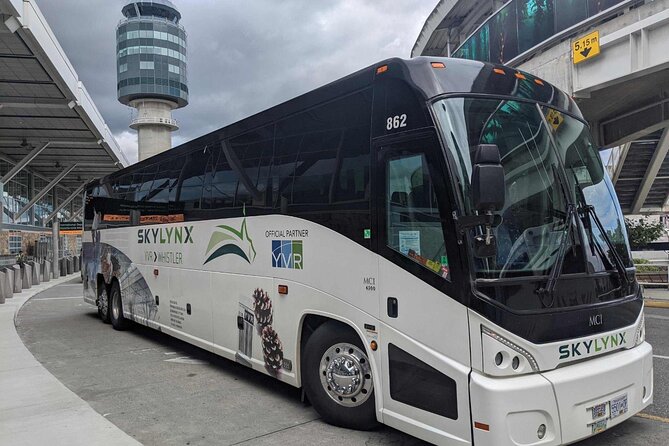
On paper, this sounds like a basic shuttle. On the ground, the ride matters because it sets your first impression of the region.
You’ll be in an air-conditioned vehicle, and the route is built around comfort for a multi-hour drive. The big practical perks are Wi‑Fi on board and a restroom, which are rare conveniences on many shared transfers. Even if you don’t plan to work, it’s helpful for staying sane with delays, re-checking your plans, and handling messaging with your group.
The route also includes Squamish. That matters because it adds a natural checkpoint on the way to Whistler and breaks the monotony. Depending on conditions, a stop can be quick, but it still gives you a chance to stretch and re-focus before you hit the final mountain climb.
Now, a reality check: Wi‑Fi is included, but it isn’t guaranteed to be perfect. Some people reported that Wi‑Fi and charging ports didn’t work when they needed them. If you plan to work or stream, I’d treat Wi‑Fi as a nice extra, not a lifeline—download what you need before you board.
Timing to Whistler: how to plan for 3 hours without drama
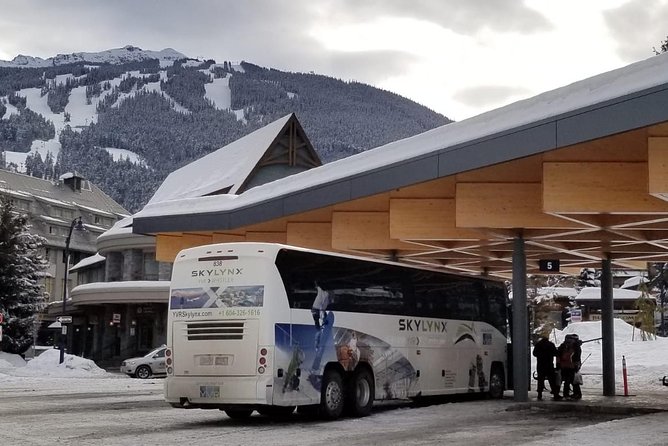
The listed duration is about 3 hours, but you should plan for the day to take a little more. Shared shuttles often include loading time, and the route has multiple service points (YVR pickup, possible Squamish stop, and Whistler drop workflow).
Weather matters up here. Snow or heavy rain can slow things down, and winter trips can add variability. One person noted a cautious approach by the driver in bad conditions, which is exactly what you want—but it can stretch timing.
If you’re connecting to a flight or a timed activity, build a cushion. The bus is usually fine when you give it room to do its job. It gets stressful when you’re counting down minutes like a metronome.
Price and what you get for $59.08
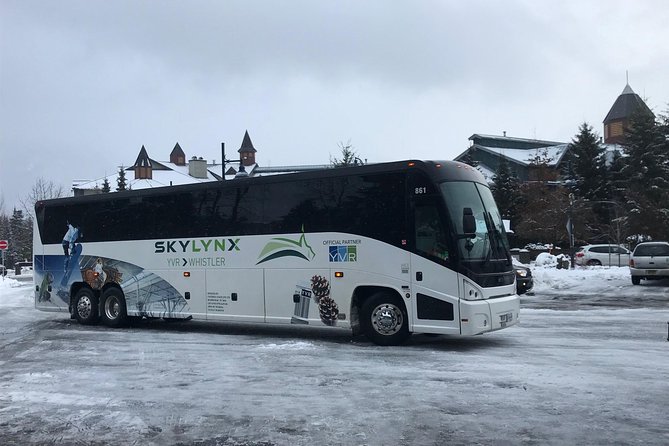
Here’s how I think about the price: $59.08 per person is low enough that this can be a no-brainer for a lot of visitors, especially if you’re traveling light. But it’s high enough that you should compare what’s included versus what would cost extra on similar routes.
What’s included:
- Professional driver
- Air-conditioned vehicle
- Wi‑Fi onboard
- Restroom onboard
What’s not included (and can change your total):
- Excess luggage charges: you’re allowed one large piece plus one hand luggage. Extra bags are $15 for a return trip.
- One set of skis or snowboards: included. Extra are $15 for a trip each.
- Bikes: $20 each per trip.
The luggage rules matter most if you’re a family or you’re hauling winter gear. I’ve seen people get hung up when they assume “a little extra” counts as part of the standard allotment. The bus allows standard gear, but anything beyond it can quietly turn into surprise fees.
If you’re traveling with sports equipment, it can still be a good deal compared with private transfers. But do the math before you pack. If you’re bringing multiple bags plus bikes, you may end up paying enough extra that another option could start to look competitive.






Sports gear, bikes, and the stuff that slows buses down
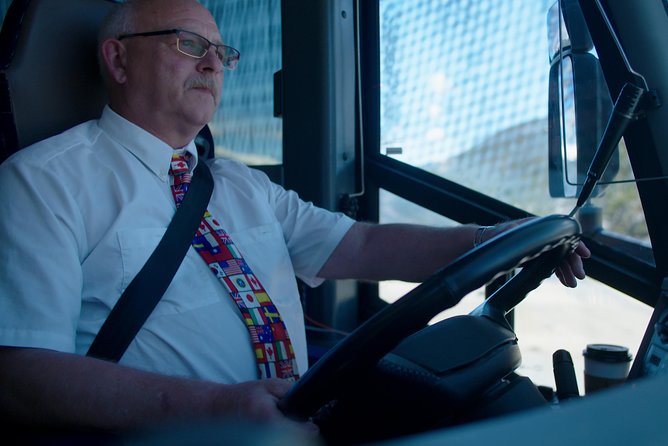
Whistler is a ski-and-activity town, so gear handling is a real part of the experience. The bus setup includes room for one set of skis or snowboards, plus the standard luggage allotment.
A couple of small-but-important tips for your packing strategy:
- Keep your hand luggage truly “hand”. If it turns into a second heavy bag, you’ll be the one juggling it during loading.
- If you’re bringing ski bags and boot bags, plan for them to be moved as part of the group process. It’s not a valet situation; it’s careful bus loading.
- For bikes, you’re paying per bike per trip. If your group has two bikes, that’s a noticeable addition.
Some riders praised drivers for helping get luggage and boards on without tossing things around. That’s not the same as “no waiting,” but it does make the difference between a calm load-in and a stressful one.
Driver service: what good looks like on the mountain road
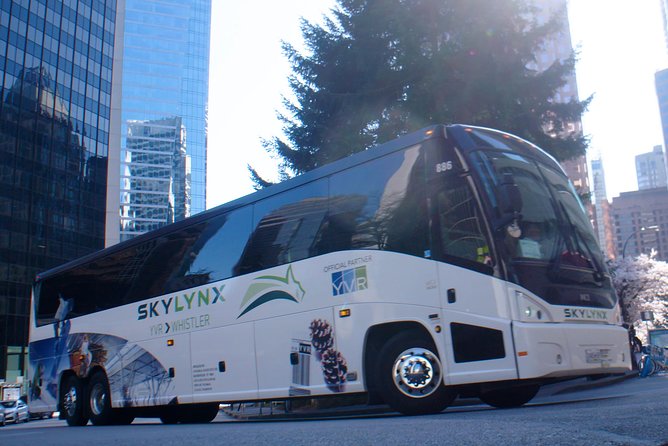
A shared shuttle succeeds or fails on the person behind the wheel—especially when weather and timing get tricky. This service uses friendly and professional drivers, and the best stories focus on communication and calm handling.
I saw examples of drivers giving clear trip context and being helpful about stops. One rider highlighted a driver named Cliff for calm, confident driving and information during the ride. Another story credited Amanda with humor and useful advice, and even an option to drop someone after the Gateway Loop toward their accommodation in Blackcomb area.
There’s also a recurring theme: getting you from point A to point B safely, then helping with the load when needed. For older travelers and people with mobility challenges, this kind of practical support can matter as much as Wi‑Fi.
Just remember: communication quality can vary by driver and conditions. If you’re the type who needs every detail spelled out, arrive early and have your questions ready before the bus pulls away.
How this shuttle fits different kinds of travelers
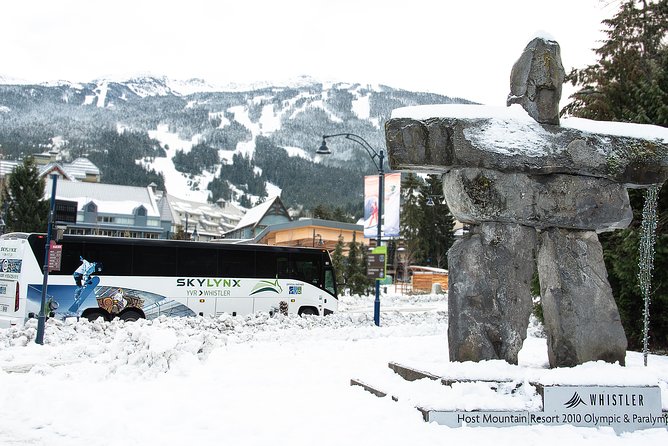
This transfer works well if:
- you want easy airport pickup without downtown navigation
- you’re okay with a fixed drop in Whistler (Gateway Loop or Creekside)
- you value the comfort basics (restroom and Wi‑Fi) on a longer drive
- you’re traveling with standard luggage and maybe one set of ski gear
It might be less ideal if:
- you need a tight, door-to-door schedule
- your plan depends on being exact at a far-out pickup zone and you don’t know which drop you’ll get
- your group has unusual luggage counts or multiple sports items that could trigger extra fees
For families, the main catch is that children under 12 must be accompanied by an adult. For solo travelers, the good news is you’re not paying private shuttle prices—and the bus schedule reduces decision fatigue. For people traveling for work or longer waits, Wi‑Fi can help, but keep offline plans in case it’s spotty.
A few realistic drawbacks to watch for
I’ll be straight with you: this is a “good when it runs smoothly” transfer, and most issues come from coordination details.
Common friction points:
- Seat comfort varies. One rider described an older bus with a seatback that wouldn’t stay upright.
- Wi‑Fi and charging can be unreliable on some trips, even though it’s included.
- Downtown timing: Whistler pickup/drop workflow can add minutes, especially if there are extra stops you didn’t expect.
- Name and pickup clarity can matter. Some people reported trouble when their info didn’t match the party list or when pickup instructions weren’t clear.
What to do:
- arrive 15 minutes early at your pickup
- double-check you know which Whistler stop applies to you (Gateway vs Creekside)
- if you booked through a third party, confirm how the operator scans tickets. One rider noted the operator needed a QR code, not just a barcode.
These aren’t reasons to avoid the shuttle. They’re reasons to show up prepared.
Should you book this YVR to Whistler bus?
If your goal is a low-stress transfer, this is usually an easy yes. For the money, you get the essentials that make a long road trip tolerable: air-conditioning, restroom, and Wi‑Fi, plus a central Whistler drop at the Gateway Loop. The Squamish stop is a nice bonus that keeps the ride from feeling like one endless stretch of highway.
I’d especially book it if you:
- want airport pickup without a city transfer
- are traveling with standard luggage and not a pile of extras
- don’t have a razor-thin connection deadline
I’d think twice if you’re riding for a very specific time window, or if your group has multiple bikes/extra bags where fees could stack up. In that case, it might still work, but you should calculate the extra charges and build in more buffer.
Bottom line: this shuttle is a solid value for most visitors to Whistler who want an organized ride and don’t mind shared logistics.
FAQ
How long is the bus ride from Vancouver to Whistler?
The trip is listed as approximately 3 hours.
Where is the pickup at Vancouver International Airport?
Your YVR pickup is at the Skylynx Kiosk at Vancouver International Airport Arrivals on Level 2.
Where do you get dropped off in Whistler?
The main drop is at the Whistler Gateway loop next to the Whistler Visitor Center. You can also be dropped at Creekside Village (outside of Legends hotel).
Does the bus include Wi‑Fi?
Yes, Wi‑Fi on board is included.
Is there a restroom on the bus?
Yes, there is a restroom on board.
How much luggage is included?
You’re allowed one large piece of luggage and one hand luggage. Extra bags have a $15 return-trip charge.
What are the rules for ski or snowboard gear?
You’re allowed one set of skis or snowboards. Additional sets cost $15 for a trip each.
Are bikes allowed?
Yes. Bikes are $20 each per trip.
Is service available for families and kids?
Children under 12 must be accompanied by an adult. Service animals are allowed.
Can I cancel for free?
Yes. You can cancel up to 24 hours in advance for a full refund.