REVIEW · VANCOUVER
Vancouver: Indian Arm and Granite Falls Zodiac Boat Tour
Book on GetYourGuide →Operated by Vancouver Water Adventures · Bookable on GetYourGuide
Zodiac boats turn Vancouver water into pure excitement. On this Indian Arm and Granite Falls outing, you zip out from Granville Island, go under the Lion’s Gate Bridge, and ride up a glacial fjord with captains like Captain Marco.
I love two things most: the up-close fjord feeling when the ocean air hits your face, and the way your guide connects what you see to coastline geology and local history. I also really appreciate the comfort upgrade—survival suits and lifejackets—because they let you stay out for the waterfall-and-cliff views instead of rushing back inside.
One thing to think about: it runs rain or shine, and it can be wet and chilly at fast speeds. The tour is also not suitable for pregnant women, people with back problems, people under 3 ft 9 in (120 cm), people with pre-existing medical conditions, or anyone with recent surgery.
In This Review
- Key points
- From Granville Island to open water: how the Zodiac ride feels
- Vancouver Harbor first: Granville Island, English Bay, and Stanley Park
- Passing under the Lion’s Gate: North Shore mountains and shipping reality
- Siwash Rock to Deep Cove: cliffs, waterfalls, and the story behind the shapes
- Indian Arm and Granite Falls: the glacial fjord moment that makes the trip
- Wildlife, speeds, and little extras: what to watch for during the ride
- Gear, weather, and staying comfortable in real Vancouver conditions
- Price and value at $116: what you’re really paying for
- Who this tour fits best (and who should skip it)
- My honest take: should you book the Vancouver Indian Arm and Granite Falls Zodiac tour?
- FAQ
- Where do I meet for the tour?
- How long is the Vancouver Indian Arm and Granite Falls Zodiac tour?
- Is the tour rain or shine?
- What’s included in the price?
- Do I need to bring food or drinks?
- What should I expect weather-wise?
- Who is the tour not suitable for?
- Is the tour wheelchair accessible?
Key points
- Granville Island meeting time: arrive 30 minutes early to get outfitted and go over safety.
- Zodiac speed and views: you see Vancouver from the water fast, not slowly.
- Glacial fjord to Granite Falls: the highlight is riding up Indian Arm close to waterfalls.
- Under the Lion’s Gate: North Shore mountain views come fast once you pass the bridge.
- Wildlife may appear: some trips include sightings like seals and eagles.
- You’ll get gear: survival suits and lifejackets are included for the ride.
From Granville Island to open water: how the Zodiac ride feels
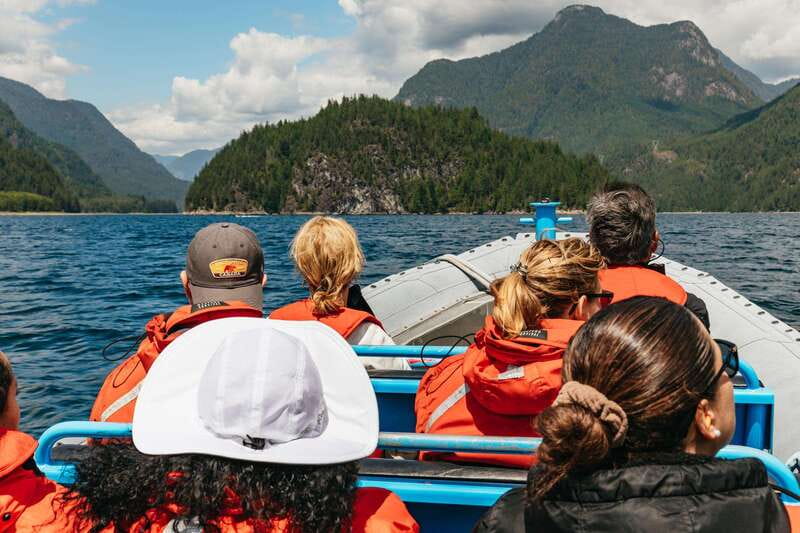
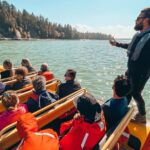
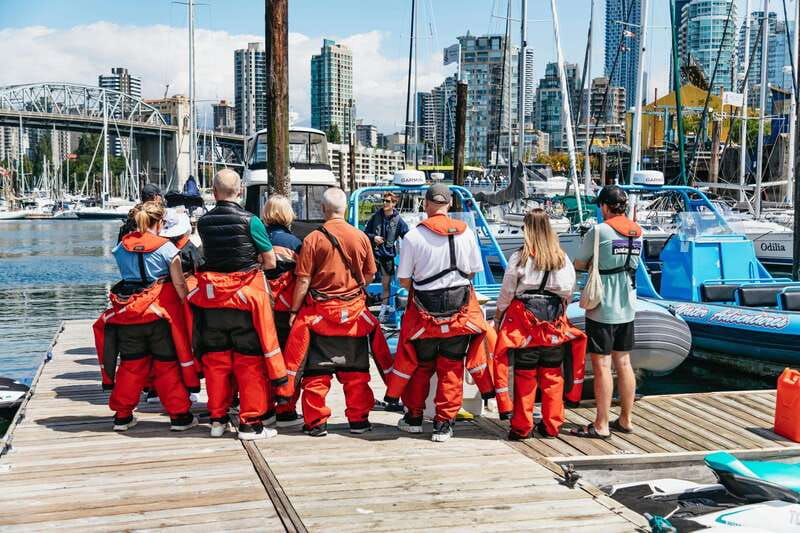
This tour starts at Vancouver Water Adventures on Granville Island. Plan to arrive 30 minutes early, not on the dot. That extra time matters because you’ll be outfitted with survival suits and lifejackets, and you’ll do a quick safety review before you head out.
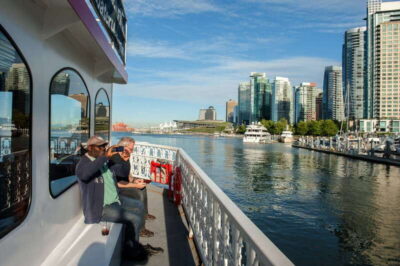
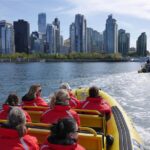
Once you’re in the Zodiac, the mood changes right away. You’re not staring at the skyline from a sheltered deck; you’re on the water, facing the wind, watching the shoreline slide by. It’s the kind of ride that makes Vancouver’s waterfront feel like part of the show, not just the backdrop.
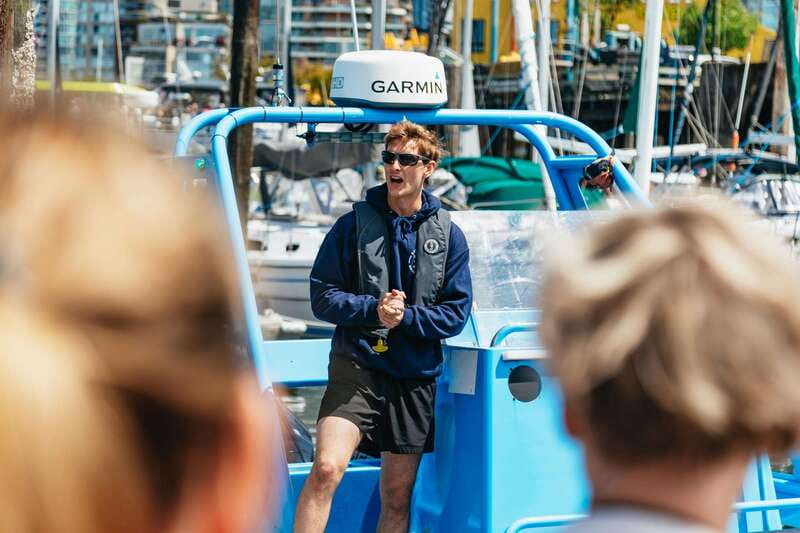
I also like that the whole experience is guided by a real captain/guide team. On different days you might hear names like Cassie, Alec, or Ray leading the commentary, and the common thread is clear: the information is tied to what you’re actively passing on the water.
You can also read our reviews of more boat tours in Vancouver
Vancouver Harbor first: Granville Island, English Bay, and Stanley Park
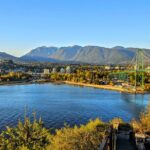
After you board, you head through Vancouver Harbor with big-picture sights that are easy to recognize—but much more interesting from the water. You’ll pass Granville Island, then cruise by English Bay with its long beaches and that mix of waterfront homes and artsy energy you only get when you’re close to the shore.
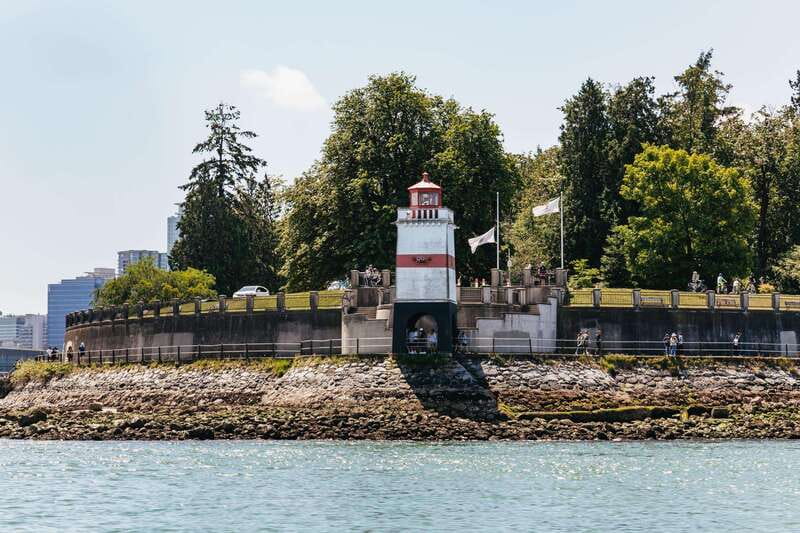
Next comes Stanley Park. Expect a look at the older cedars, pines, and oak trees that line the area. You’ll also see the Seawall from the water and learn how it functions as part of Vancouver’s waterfront system. From up on land, the seawall can feel like just a path. Out here, it becomes a working edge between city life and the Pacific.
This first stretch is a good warm-up. You’ll get your bearings, see how the captain navigates the harbor, and get comfortable with the speed and wind. If you’re the type who loves photos, this is also where you start collecting easy skyline shots before the scenery turns wilder.
Passing under the Lion’s Gate: North Shore mountains and shipping reality
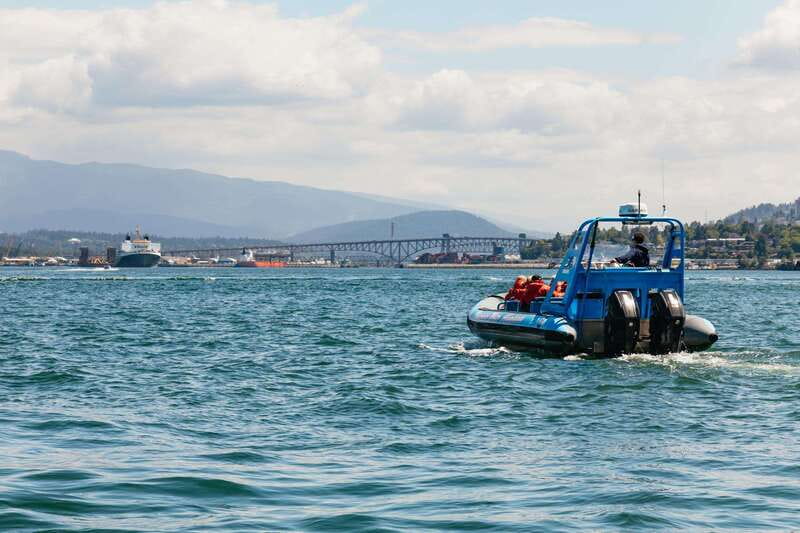
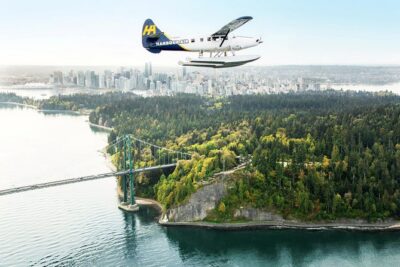
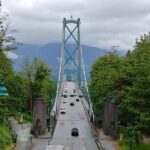
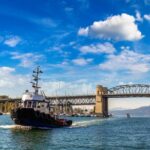
One of the signature moments is going under the Lion’s Gate Bridge. The bridge itself is a Vancouver icon, but the better part is what comes immediately after: the views open toward the North Shore mountains and the rugged coastline energy changes from city-facing to mountain-facing.
As you continue along the route, you’ll also see Seaspan, and your guide shares how Vancouver functions as a major international shipping port. I like this angle because it gives the trip more context than scenery alone. You see the working side of the coast, not just the pretty side.
On this stretch, keep your eyes on the waterline and rocky points. That’s where the coast starts hinting at what’s coming later—granite cliffs, waterfalls, and the kind of shoreline that looks built by geology over thousands of years.
Siwash Rock to Deep Cove: cliffs, waterfalls, and the story behind the shapes
From the harbor corridor, you’ll head toward Siwash Rock. This is where the coastline starts to look dramatic in a very specific way: granite cliffs, waterfalls, and sharp rock faces that stand out even when you’re moving quickly.
You’ll catch sight of Deep Cove along the route. That view is especially helpful because it lets you connect the dots: this part of Metro Vancouver isn’t just bays and beaches. It’s a chain of water corridors and cliff systems that create micro-landscapes, each with its own mood.
I’ve noticed that strong guides use this section to set up the highlight later. They explain what you’re seeing right now so when you reach Indian Arm and Granite Falls, it doesn’t feel like random scenery. It feels like a coherent story: rock, water, gravity, and time working together.
If you’re interested in photo angles, this is also a good time to reposition. Captains often adjust the boat’s position so more people can see and shoot—especially when waterfall action is in view.
Indian Arm and Granite Falls: the glacial fjord moment that makes the trip
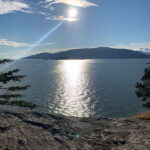
The main event is when you boat up Indian Arm, described as a glacial fjord. You’ll feel the change. The air can hit your face more directly out here, and the water takes on that close-in, textured feeling you don’t get from shore lookouts.
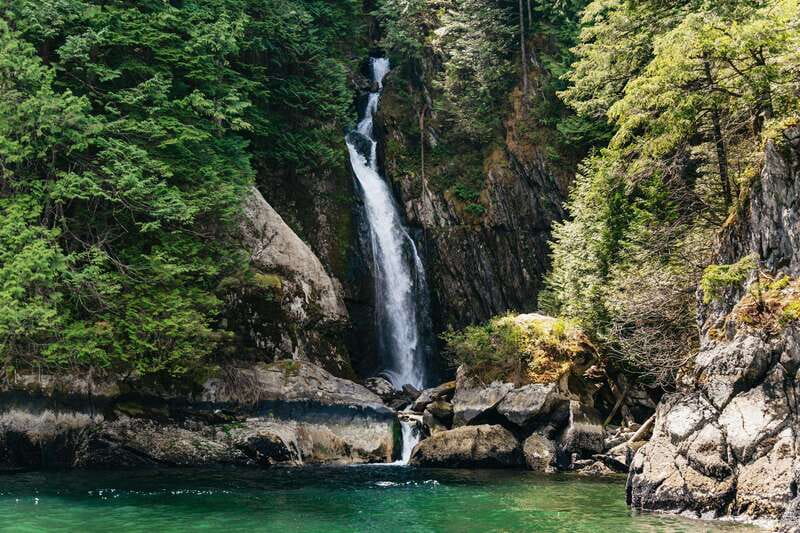
As you move deeper into the fjord, the goal becomes simple: see Granite Falls up close. This is where you trade skyline views for raw water energy. The falls and cliff faces come into focus as you approach, and the route makes it feel like you’re traveling through a living canyon.
The best part is how the boat puts you near the action. You’re not watching from a far viewing platform. You’re moving alongside the scenery, with the waterfalls and tree-lined shoreline sliding into your frame at a speed that keeps things exciting.
A practical note from what I’ve seen people mention: depending on conditions, you can get some spray. Many days you’ll be comfortable thanks to the included suits, but plan for wet moments, especially if seas pick up.

Wildlife, speeds, and little extras: what to watch for during the ride
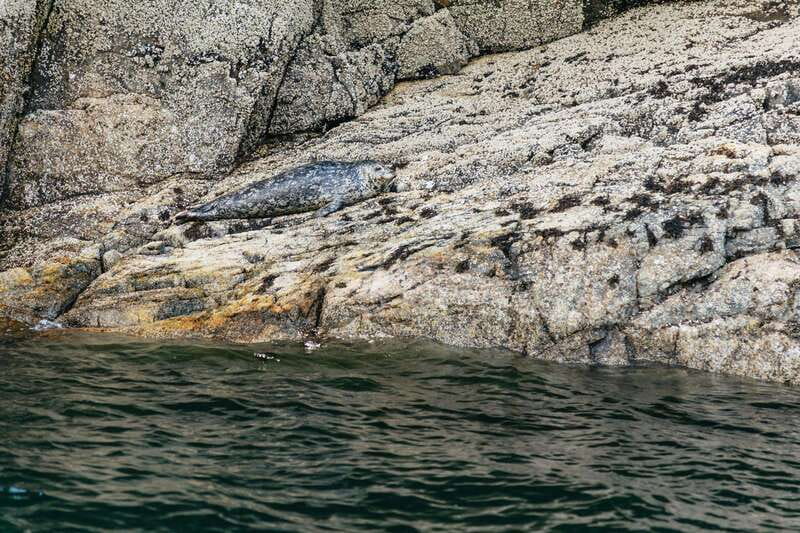
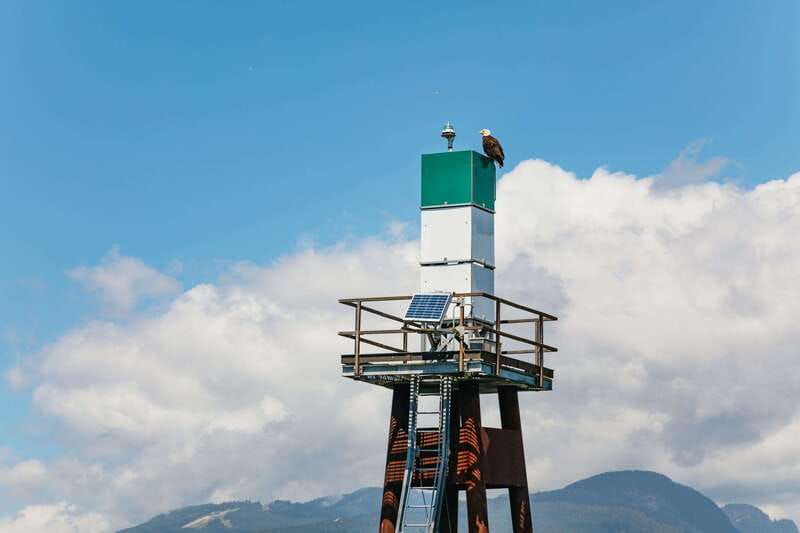
This trip isn’t just about cliffs and falls. You may see wildlife along the way, though it’s never guaranteed. Some experiences include harbour seals and eagles (including a bald eagle). There’s also mention of spotting jellyfish in the water on some days.
If wildlife matters to you, bring the right mindset: you’re on a fast-moving boat, so quick sightings happen. People also recommend binoculars because seals and eagles can be far off and easy to miss if you’re relying on the naked eye.
Then there are the fun captain moments. Several guests mention getting to experience playful boat turns—people refer to doughnuts or donuts in the water. It’s not the reason to book, but it does add a “this is a real outing” feeling that’s different from a calm, strictly observational cruise.
On the return, you may pass Silver Falls. It’s a nice closer look after you’ve already seen the bigger highlight, and it helps break up the trip so you’re not just repeating the same scenery on the way back.
Gear, weather, and staying comfortable in real Vancouver conditions
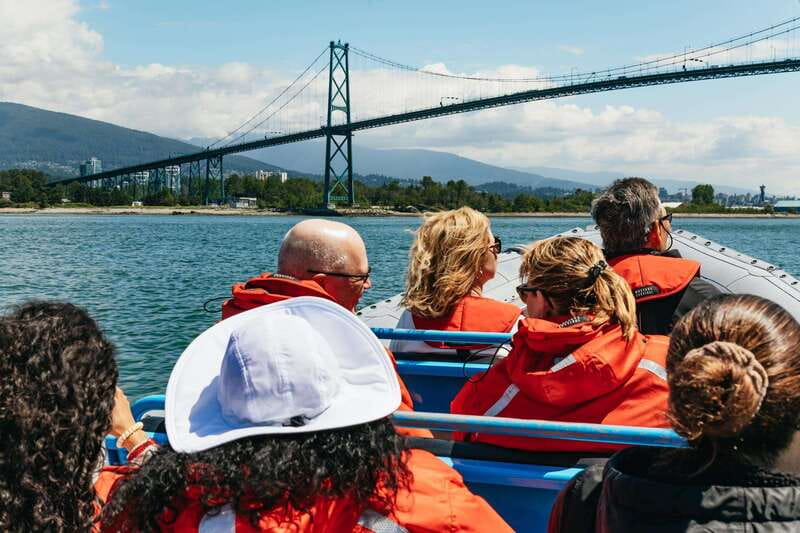
This tour runs rain or shine. That matters because Vancouver weather can shift fast, and the water route exposes you to wind. The included survival suits and lifejackets are a huge part of the value here. They help you handle cold air and spray without turning the ride into a miserable endurance test.
People also note that suit fit and warmth can vary by day. On warmer weather days, suits may be folded at the waist, which sounds small but changes comfort a lot when the sun finally shows up.
Even with gear, expect this to be an outdoor, active experience. One guest described returning along Stanley Park with the sky turning foggy earlier in the day, and still getting dried off on the way back. Another mentioned strong swells on the return and getting a bit wet, but staying safe and happy.
Translation for you: pack your expectations like this is a boat ride, not a museum visit. Dress for wind and water. If you’re someone who hates feeling damp, you’ll still survive thanks to the suits, but you should accept that you might leave with a salty hair day.
Price and value at $116: what you’re really paying for
At $116 per person for about 3 hours, this isn’t the cheapest way to see Vancouver water. But it’s also not priced like a brief harbor loop. You’re paying for two big things: the time on the water and the access to the fjord up to Granite Falls.
The included gear is part of that equation. Survival suits and lifejackets aren’t free add-ons you pay extra for, and that directly impacts comfort on a chilly marine route. You’re also paying for the captain-led guidance, not just someone pointing from a microphone.
Food and drinks are not included, so you’ll want to eat before you go (or plan a snack after). On a route this active, it’s better to arrive fueled rather than hoping you’ll grab something mid-tour.
Finally, the transport quality is heavily praised. A huge share of guests rate the ride experience at the top score, which is a good sign when you’re buying speed, wind exposure, and safety in one package.
Who this tour fits best (and who should skip it)
This is a great match if you want a Vancouver highlight that feels like an adventure. It suits couples, small groups, and solo travelers who like movement, wide views, and a guide who talks while you’re actively seeing the coast.
It’s also a solid choice if you’re short on time but still want more than the standard harbor-and-back cruise. The route takes you from recognizable city landmarks to the dramatic Indian Arm scenery in a single 3-hour window.
That said, it’s clearly not a fit for everyone. It’s not suitable for:
- Pregnant women
- People with back problems
- People under 3 ft 9 in (120 cm)
- People with pre-existing medical conditions
- People with recent surgeries
It is listed as wheelchair accessible, which is a positive point to confirm with the operator if you need specific boarding or seating arrangements.
My honest take: should you book the Vancouver Indian Arm and Granite Falls Zodiac tour?
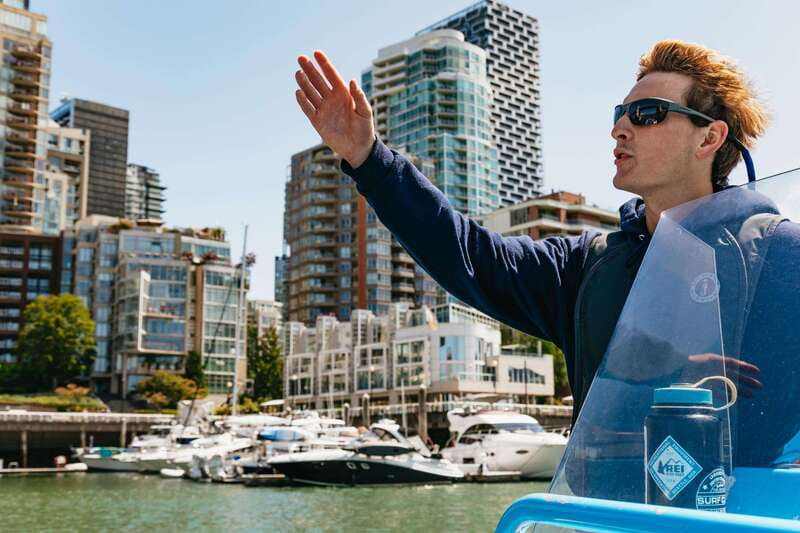
If you’re choosing between a calm sightseeing cruise and a faster, windier Zodiac outing, I’d lean Zodiac for this route. The combination of Granite Falls up close, the fjord travel, and the city-to-wild transition under the Lion’s Gate Bridge is exactly why this works.
Book it if:
- You want real time on the water (not just a quick photo stop)
- You don’t mind getting a little wet and dealing with wind
- You enjoy guided commentary tied to geology, history, and what you’re passing
Think twice if:
- You’re uncomfortable in rain or cold air, even with suits
- You have mobility or medical constraints listed as not suitable
- You prefer commentary that stays strictly natural-history focused (there’s at least one account of a guide including controversial political framing during part of the ride)
FAQ
Where do I meet for the tour?
Meet at Vancouver Water Adventures. Plan to arrive 30 minutes before departure so you can be outfitted with gear and review safety procedures.
How long is the Vancouver Indian Arm and Granite Falls Zodiac tour?
The tour duration is 3 hours.
Is the tour rain or shine?
Yes, it runs rain or shine.
What’s included in the price?
Included are the driver/guide, the Zodiac boat tour, and survival suits and lifejackets.
Do I need to bring food or drinks?
Food and drinks are not included, so you’ll want to plan to eat before or after.
What should I expect weather-wise?
You’ll be on the water in wind, with the possibility of spray. The included survival suits help, but you should still expect some wet moments.
Who is the tour not suitable for?
It’s listed as not suitable for pregnant women, people with back problems, people under 3 ft 9 in (120 cm), people with pre-existing medical conditions, and people with recent surgeries.
Is the tour wheelchair accessible?
Yes, it is listed as wheelchair accessible.
If you tell me your travel month and whether you’re more into wildlife spotting or waterfall photography, I can help you pick the best time slot and what to prioritize during the 3 hours.