REVIEW · VANCOUVER
Vancouver: Scenic Panorama Seaplane Tour
Book on GetYourGuide →Operated by Harbour Air · Bookable on GetYourGuide
That moment you look down and Vancouver looks brand new. This 30-minute Harbour Air seaplane tour turns city icons into a quick aerial circuit, starting right by Canada Place. I love how the flight gives you big skyline angles plus wild mountain-and-water scenery in one shot, even if the weather isn’t cooperating.
My second favorite part is the way the route threads through the highlights—Stanley Park, Lions Gate Bridge, English Bay, and out toward Lighthouse Park and Horseshoe Bay. The one drawback: the time in the air is short, so you’ll feel the clock once you’re finally settled in with your camera.
In This Review
- Quick hits before you take off
- Why this 30-minute seaplane tour works so well
- The Harbour Air terminal at Canada Place: what to expect on arrival
- The flying route: Stanley Park and Lions Gate Bridge in one breath
- English Bay, Lighthouse Park, and Point Atkinson: the coastline angle you can’t get on land
- Horseshoe Bay and the North Shore feeling of scale
- Downtown passes: Canada Place, BC Place, and Science World (TELUS World of Science)
- Window-seat strategy: how to maximize what you actually see
- Pilots, smooth water landings, and the short-airtime tradeoff
- Weather in Vancouver: rain or shine, but plan for mist
- Price and value: is $130 worth it for a 30-minute flight
- Who this seaplane panorama tour suits best
- My booking advice: should you pick this one?
- FAQ
- Where do I check in for the Vancouver seaplane tour?
- How early should I arrive?
- What identification do I need?
- How long is the flight time?
- What landmarks are included in the route?
- Is the tour affected by weather?
Quick hits before you take off
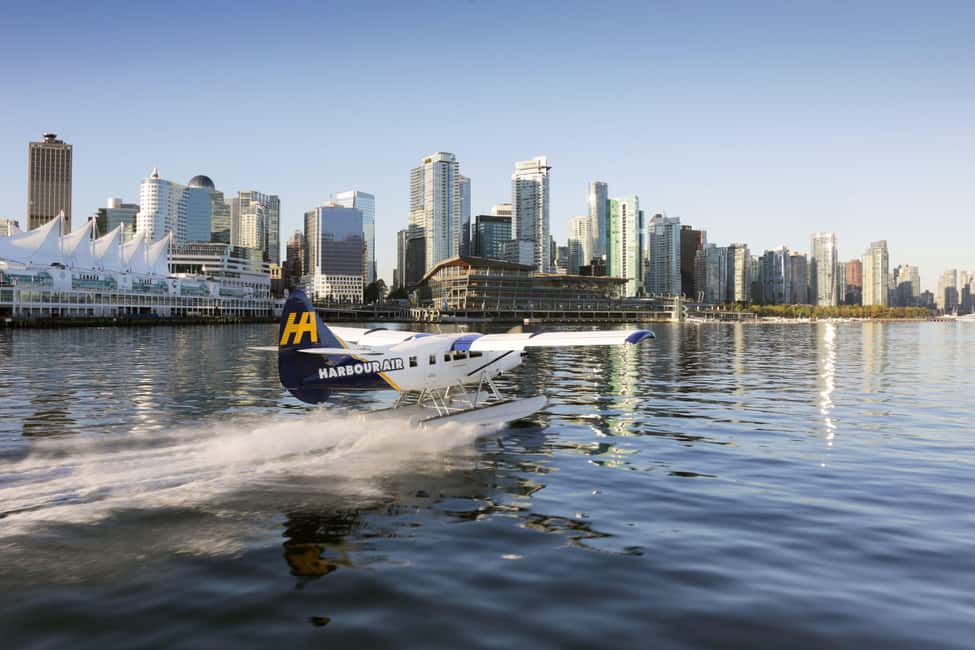
- Depart from Coal Harbour steps from the cruise terminal at Canada Place, so it’s easy to fit around tight schedules.
- About 20 minutes of flying time makes this a “fast and unforgettable” experience, not a long sightseeing session.
- You’ll see both city and shoreline: downtown, English Bay, Stanley Park, and the North Shore mountains.
- BC Place shows up on the route, which is especially fun during the 2026 soccer season.
- Seating is the whole game: there are limited window seats, so plan for the view you want.
- Pilots can fly to share the sightlines so both sides of the plane get strong looks.
Why this 30-minute seaplane tour works so well
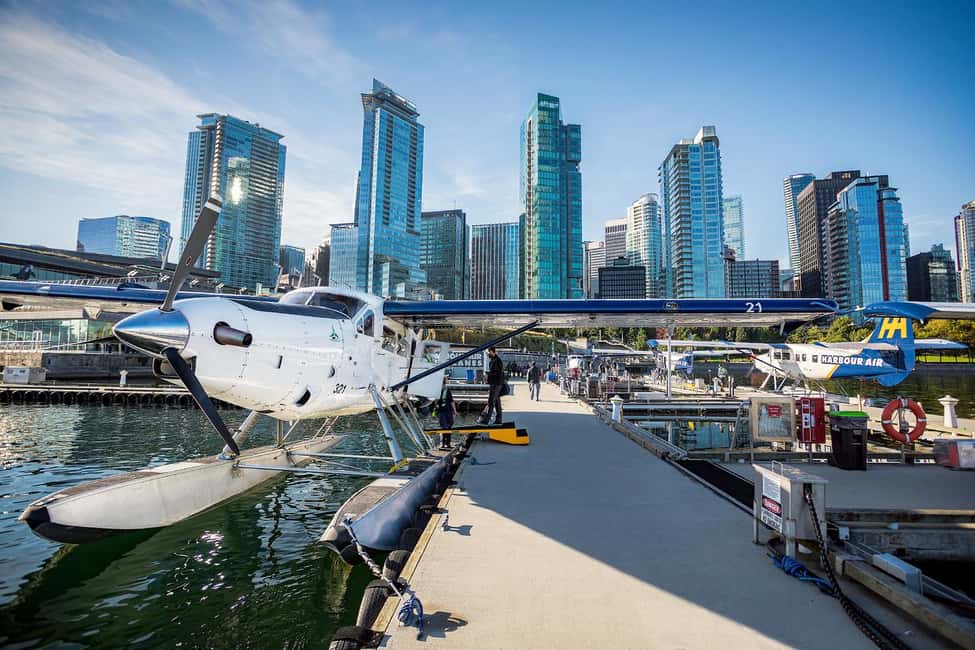
Vancouver can be a lot on the ground. Hills, water, neighborhoods, traffic—before you know it, you’ve spent half the day moving between viewpoints. From the water, the city compresses into something you can read instantly: skyline, park, bridge, ocean, and mountains all at once.
This tour is built for people who want a high-impact “big picture” look without committing to a half day. You get that dramatic overhead feeling that makes Vancouver look like a model built on purpose—especially with Stanley Park and the bridge in the same frame as the city.
The seaplane part matters too. Taking off from the harbor and landing on water gives the whole thing a different vibe than sitting on a bus or even a regular plane. It’s a hands-on thrill in a very controlled, short experience.
You can also read our reviews of more tours and experiences in Vancouver.

The Harbour Air terminal at Canada Place: what to expect on arrival
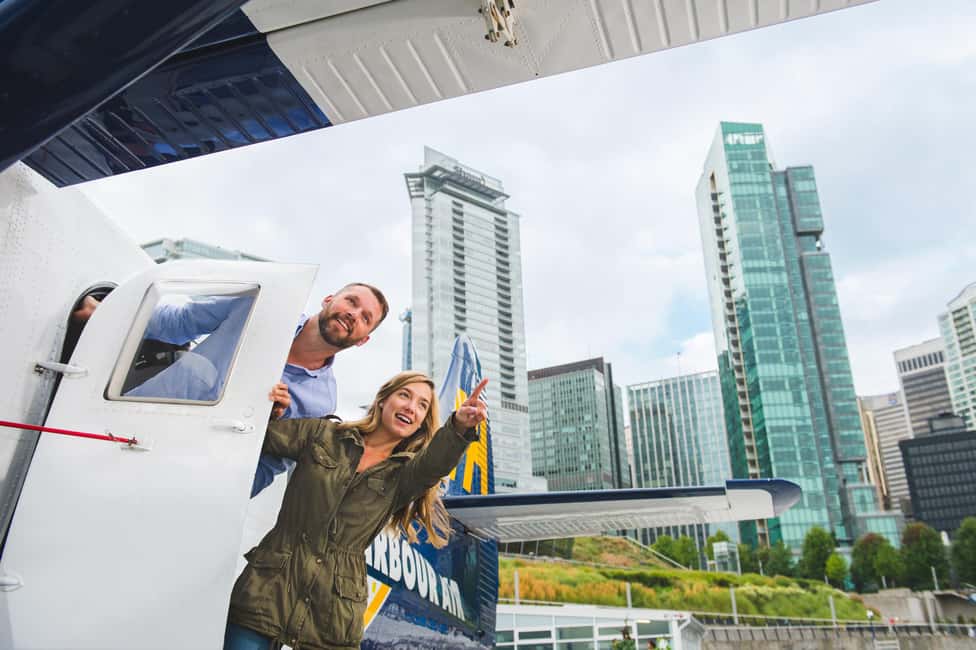
Your jump-off point is Harbour Air’s water-level terminal in Coal Harbour, located at Vancouver Harbour Flight Centre, Unit #1 Burrard Landing, 1055 Canada Place. It’s below the Olympic Cauldron area, right near the sea wall—close enough that cruise guests can plan this as a true pre- or post-sailing add-on.
Plan for check-in time. You’ll want to arrive at least 40 minutes early and be fully checked in 20 minutes before departure. This isn’t just busywork; seaplane boarding runs on a tight schedule because you’re going from terminal to aircraft to water in a short window.
Tip: if you care about a window seat, arrive earlier than the minimum. Even a small delay can cost you the view angle you wanted, since the aircraft doesn’t have wall-to-wall windows.
The flying route: Stanley Park and Lions Gate Bridge in one breath
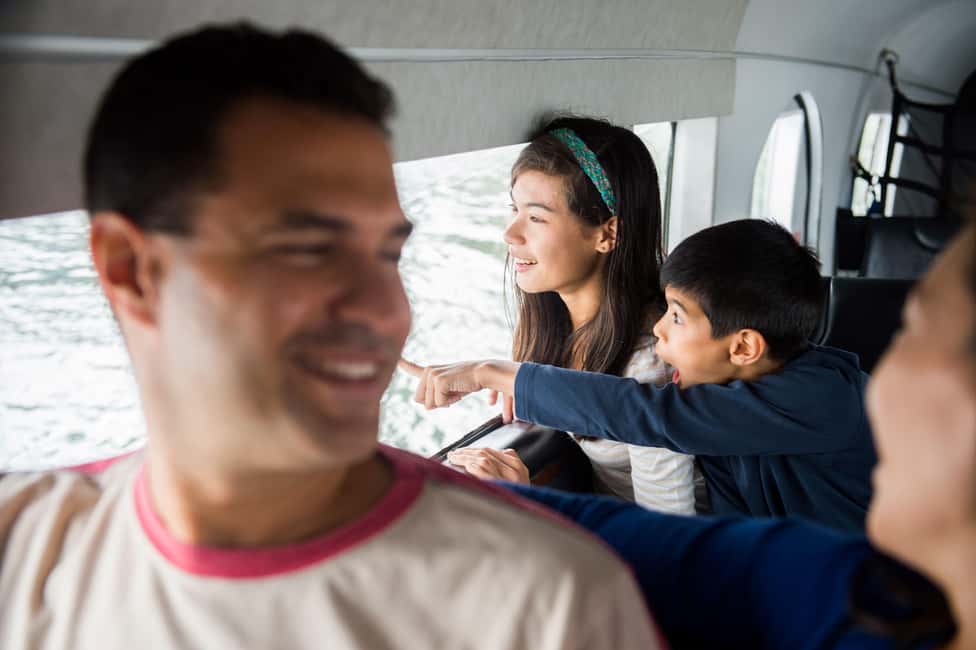
Once you lift off gently from the harbor, your first big views arrive fast. The route heads toward the downtown skyline and the waterfront scene right away, then you swing into the signature Vancouver sights.
Stanley Park (passed overhead) is where the tour earns its repeat-fly reputation. From above, you don’t just see trees—you see the shape of the park, the way it hugs the seawall, and how it plugs into the city grid. It’s one of the quickest ways to understand why Vancouver branding always comes back to this park.
Then comes Lions Gate Bridge. From the air, it’s not only scenic; it’s a visual anchor. You see exactly how the bridge links downtown to the North Shore and how the inlet channels light and water around it. If you’re trying to plan future day trips, this pass helps you decide where you’ll want to walk, drive, or take transit later.
On a clear day, the Coast Mountains show their scale. On a misty day, you still get the structure of the terrain—you just lose some distance. Either way, the bridge-and-park pairing gives you a strong first “wow” that doesn’t require patience.
English Bay, Lighthouse Park, and Point Atkinson: the coastline angle you can’t get on land
After the bridge, you’ll be treated to the ocean-forward side of Vancouver. English Bay appears as sparkling water in a way that’s hard to duplicate from the ground, because you’re seeing the shoreline’s curve and the water’s depth cues at the same time.
Further along, the route includes Lighthouse Park and the historic Vancouver Lighthouse at Point Atkinson. From the air, you can spot the coastline contours and how the forested areas break up the harbor-to-ocean transition. It’s a satisfying contrast: compact city density up close, then sudden wild-feeling edge of land and cliff.
This is also where you start understanding how Vancouver can feel both urban and outdoorsy in the same afternoon. A bus tour can show you the sights. A seaplane flight helps you see how they connect.
Horseshoe Bay and the North Shore feeling of scale
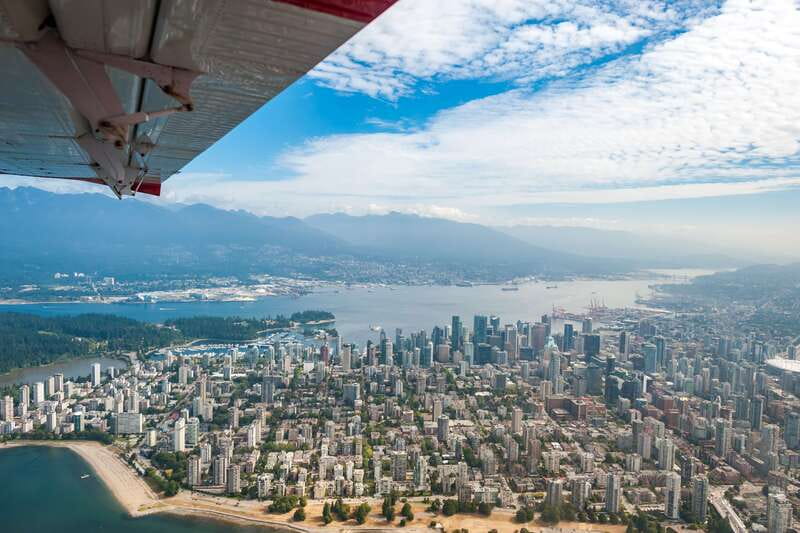
Next up is Horseshoe Bay, a seaside village setting between water and forested slopes. From the air, you’ll notice how the coastline creates sheltered-looking water areas and how the built town sits in relation to the surrounding greenery.
This pass is especially helpful if you’re the type who wants a mental map. After a few minutes overhead, you can start predicting what directions you’ll want later—whether you’re planning a beach walk, a viewpoint stop, or a longer day on the North Shore.
If the weather is cloudy or foggy, you might not get mountain tops. You can still get the bay structure and the shape of the coastline. Even in less-than-perfect visibility, the flight keeps giving you recognizable forms.
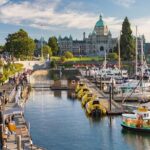


Downtown passes: Canada Place, BC Place, and Science World (TELUS World of Science)
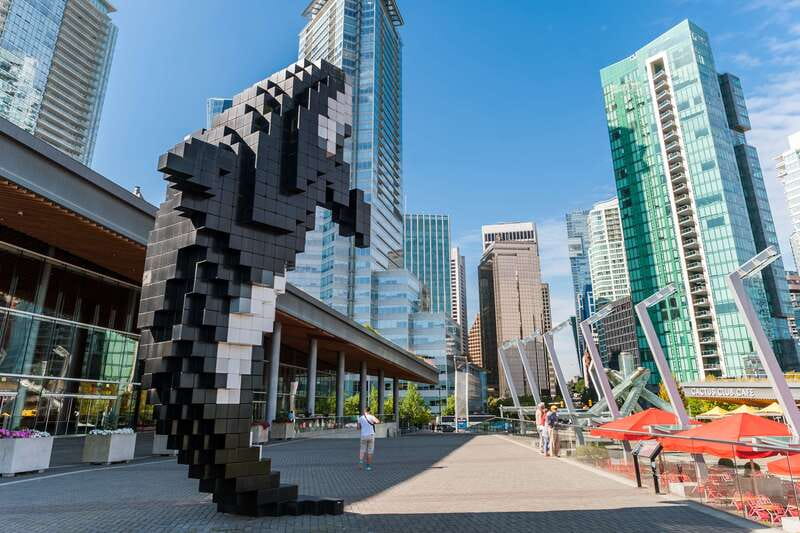
The tour loops back through parts of downtown that most visitors only skim at street level. You’ll pass by Canada Place, then head toward BC Place, and also see Science World at TELUS World of Science from above.
BC Place is a fun inclusion, especially if you’re traveling during the 2026 soccer season. Seeing it from the air adds a “stadium in context” view—sitting among city blocks, highways, and water—rather than as a standalone stop.
Science World is another easy-to-find spot on the ground, but from above it becomes part of the waterfront pattern. You see how it sits by the water and how the surrounding area lines up with the inlet.
One practical bonus: these downtown passes tend to make your camera roll worth it, even if you’re not a serious photographer. The skyline angles are the kind you can’t easily recreate from street corners.
Window-seat strategy: how to maximize what you actually see
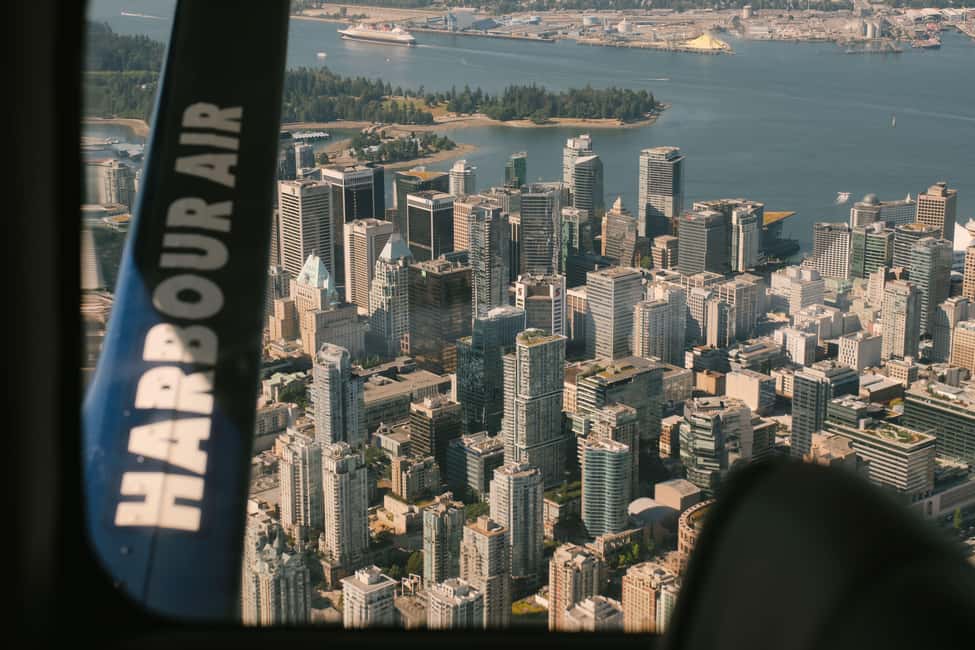
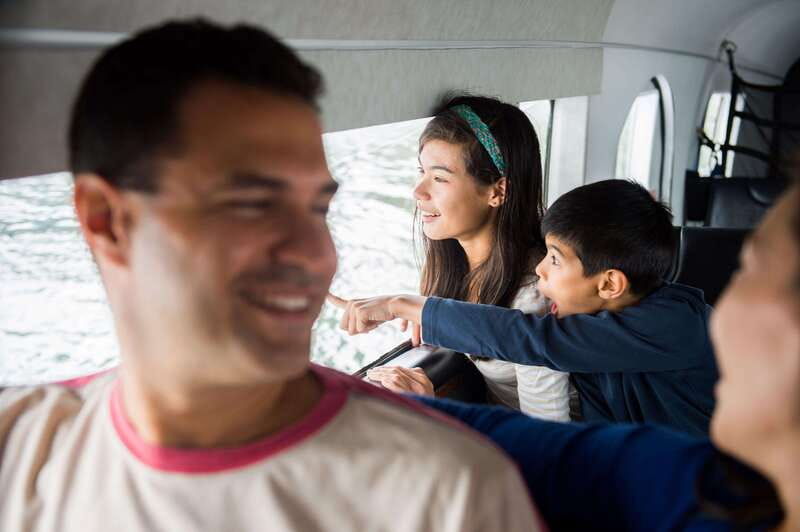
A recurring theme is that the flight gives strong sightlines, but your personal experience depends on where you sit. There are limited window seats, and a few seats can make the difference between “nice photos” and “I could hang these on my wall.”
What helps: the pilots can fly in ways that give both sides good views. Many flights include maneuvers that let passengers on either side catch major landmarks, so you’re not totally stuck if you don’t score the exact seat you pictured.
If you’re aiming for the best angles, do this:
- Choose your flight time carefully if you’re picky about light.
- Arrive early so you’re not rushed into the seat you end up with.
- Bring your camera setup ready to shoot quickly—this is a short flight, and the best angles don’t linger long.
Also, you’re in an aircraft where the windows matter. Plan to enjoy the ride more than you’d enjoy a long museum-style tour, because the views move.
Pilots, smooth water landings, and the short-airtime tradeoff
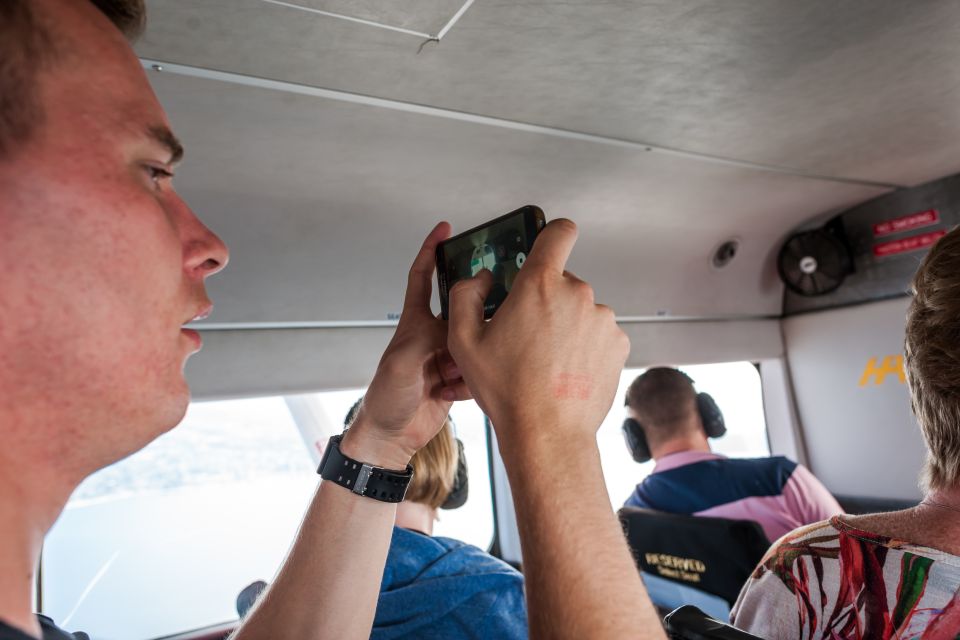
This is a first-timers-friendly flight. It’s not a long, complicated experience, and it’s typically smooth on takeoff and landing. That said, water takeoffs can feel a bit different than airplane ramps, and you may notice some bumpy moments early on before it settles.
Pilots often keep things focused on safety while still being friendly. Names like Dave, Nathan, Cam, and Gavin have been associated with engaging and professional flying in passenger accounts. Some flights even include extra special moments—like getting a chance to sit near the cockpit or watch from the pilot’s side—though you shouldn’t expect that every time.
Here’s the tradeoff you should know: the flight is only about 20 minutes in the air. People describe it as worth it (and they’re right), but you’ll still wish it ran a little longer once you’re fully into the rhythm of sightseeing.
Weather in Vancouver: rain or shine, but plan for mist
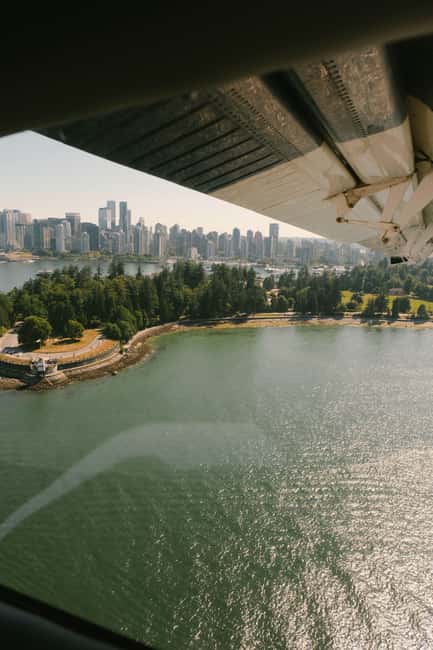
Vancouver weather can be moody. The tour is designed to operate rain or shine, and misty conditions don’t automatically ruin the flight.
In cloudy or atmospheric weather, you might lose some mountain top detail. But you can still get clear reads on the coastline shape, the bridge silhouette, the ocean color, and downtown placement. If you want the sharpest mountain views, aim for a clearer day.
The best strategy is simple: treat weather as part of the experience. Coastal fog can reduce long-distance visibility, but it also changes the lighting in a way that can look dramatic from above.
Price and value: is $130 worth it for a 30-minute flight
At $130 per person for a 30-minute experience, this isn’t the cheapest way to see Vancouver. The question is whether you’re buying time, perspective, and the novelty of water flight—or just buying sightseeing.
Here’s why it can be good value:
- You’re getting a premium viewpoint that folds together city + coastline + mountains in one loop.
- The location makes it schedule-friendly for cruise days, which can be the hardest day to find good value tours.
- The duration is long enough to feel like a real activity, but short enough to keep your day from disappearing.
If you already have a full itinerary and you need one signature “Vancouver from above” moment, this is a strong play. If you hate paying for experiences that are short, you’ll feel that speed here.
Who this seaplane panorama tour suits best
This tour fits best if you want a high-impact hit of Vancouver without a lot of planning.
Great matches:
- Cruise guests who need something easy before or after sailing.
- First-timers who want to understand the city layout quickly.
- Families with kids who can handle a short ride and a new setting (water takeoff is a conversation starter).
- Anyone who likes photography but doesn’t want an all-day commitment.
You might consider another option if:
- You only enjoy long, slow sightseeing.
- You’re hoping for heavy narration all the way through. Some flights focus more on flying than commentary, so your best “story” comes from what you see.
My booking advice: should you pick this one?
I’d book it if you’re the type who wants the biggest views in the least time. The route hits the city’s recognizable icons, and the Coal Harbour location makes it unusually convenient for a quick, memorable add-on.
I would hesitate only if you’re very cost-sensitive or you’re strongly bothered by short airtime. In that case, you may feel like you paid for a thrill that ended too fast.
But if you want Vancouver from a perspective you can’t replicate on foot or by bus, this is a straightforward yes.
FAQ
Where do I check in for the Vancouver seaplane tour?
You check in at the Harbour Air front counter at the water-level terminal by the sea wall, located below the Olympic Cauldron area at Vancouver Harbour Flight Centre, Unit #1 Burrard Landing, 1055 Canada Place, Vancouver.
How early should I arrive?
You should arrive at least 40 minutes before the scheduled departure time, and be fully checked-in 20 minutes before departure.
What identification do I need?
Passengers 18 years and above must present either one piece of valid government-issued photo ID, or two pieces of government-issued identification without a photograph.
How long is the flight time?
The overall experience is 30 minutes, with approximately 20 minutes of flying time.
What landmarks are included in the route?
You’ll pass by downtown Vancouver and Canada Place, fly over Stanley Park, see Lions Gate Bridge, view English Bay, pass Lighthouse Park and the Vancouver Lighthouse at Point Atkinson, and see Horseshoe Bay. The route also includes BC Place and Science World at TELUS World of Science.
Is the tour affected by weather?
The tour is designed to run rain or shine. In misty or cloudy conditions, you may still get strong views of the city and coastline, but distant mountain detail may be reduced.