REVIEW · VANCOUVER
Vancouver: Stanley Park Talking Trees Tour
Book on GetYourGuide →Operated by Talaysay Tours · Bookable on GetYourGuide
Stanley Park has a second voice. This 90-minute Stanley Park Talking Trees Tour uses an Indigenous lens to turn a familiar park walk into something more personal: how local plants and trees supported food, medicine, and technology for Coast Salish ancestors. I especially love the way the guide connects the stories to daily life on the land, not just facts.
Another thing I like: you don’t end on a lecture. You pause at Beaver Lake for an Indigenous tea moment, with the tour including complementary herbal tea (and sometimes berry tastings depending on the season). The main drawback is simple: this is a walk—about 2.2 km with frequent stops—so you’ll want comfortable shoes and layers.
If you’re hoping for a quick, casual stroll with only general sightseeing, this may feel more focused and intentional than you expect. But if you want your time in Stanley Park to mean something, this tour is a strong, respectful pick.
In This Review
- Key things I’d note before you go
- Stanley Park Through Talking Trees: What this tour actually delivers
- Where you meet and how to start without stress
- The 1.5-hour Stanley Park walk: how the park becomes a classroom
- Beaver Lake tea ceremony: the calm stop that makes it stick
- Price and value: is $58 fair for 90 minutes?
- Who should book the Talking Trees tour (and who might not love it)
- What to bring (so you can enjoy the walk)
- Timing, pace, and the reality of a 90-minute loop
- The local guide connection: why this tour feels different
- Should you book this Vancouver Talking Trees Tour?
- FAQ
- How long is the Vancouver Stanley Park Talking Trees Tour?
- Where do I meet the guide?
- Is hotel pickup included?
- What is included in the price?
- Do I need to pay everything upfront?
- What language is the tour conducted in?
- How much walking is involved?
- What should I bring?
- Is luggage allowed?
- Is it suitable for children?
Key things I’d note before you go
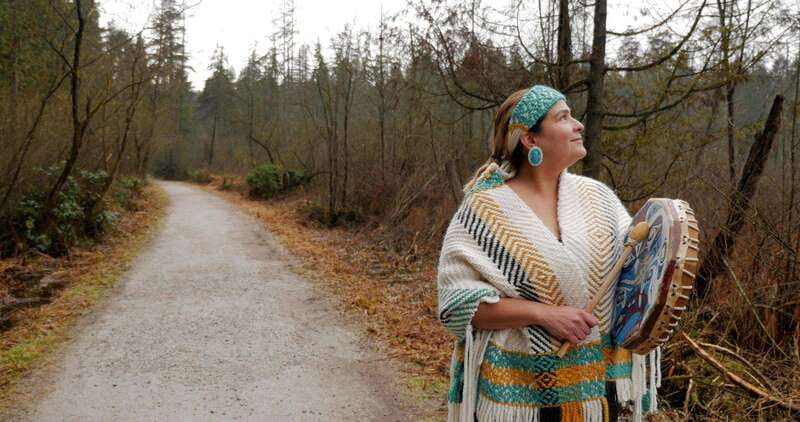
- Indigenous-led plant stories tied to real uses like food and medicine
- Beaver Lake tea ceremony with complementary herbal tea
- A short, manageable walk (about 2.2 km) with frequent discussion stops
- Cultural context for Coast Salish traditions beyond the usual park facts
- Seasonal berry tastings may happen depending on timing
Stanley Park Through Talking Trees: What this tour actually delivers
Stanley Park is the kind of place where you can easily “see” it without really learning it. This tour works against that habit. Instead of treating trees as scenery, you’re guided to treat them like neighbors with stories—plants that were gathered, used, and understood in ways that shaped everyday life.
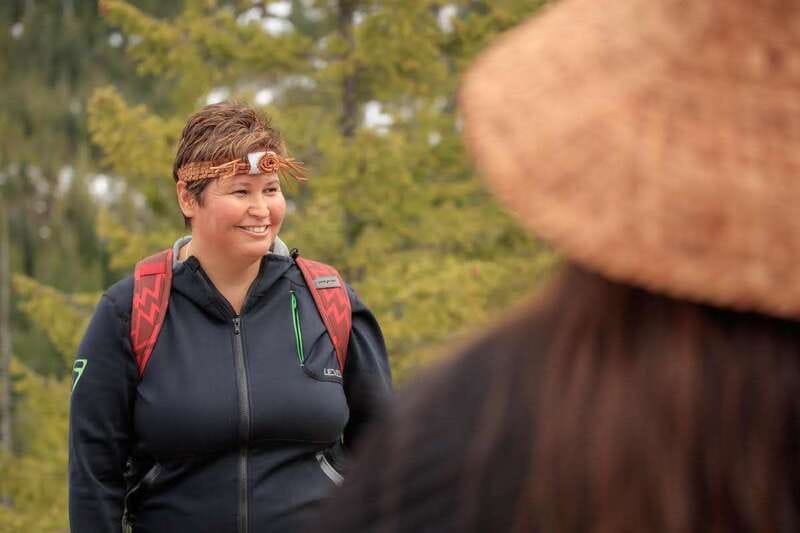
The heart of the experience is the cultural ambassador concept. Your guide is from the local Indigenous communities of the region and uses that connection to share stories, legends, ecological practices, and both ancient and contemporary context. That matters because it changes the tone. You’re not being given a history slide deck. You’re hearing how people understood the land, and why that understanding still has value today.
This also affects what you pay attention to on the walk. You’ll start noticing different things than you would on your own—how certain plants are talked about for practical purposes, and why harvesting practices aren’t random foraging. The tour frames land use as knowledge with rules, seasons, and respect.
You can also read our reviews of more tours and experiences in Vancouver.



Where you meet and how to start without stress
You’ll meet your guide directly under the gazebo at the Stanley Park Bus Loop. This is near the Miniature Railway and the Pavilion inside Stanley Park.
A small but important detail: use the Google Maps location LOT-62F. They specifically note it is not the Historic Loop at the park entrance. If you arrive early, take a minute to confirm you’re in the right spot—this tour is short, and you don’t want to burn time wandering around Stanley Park’s edges.
The tour begins at the Stanley Park Loop, and the rest of your experience follows that same “walk and talk” rhythm: stop, listen, ask questions (when there’s room), and keep moving at an easy pace.
The 1.5-hour Stanley Park walk: how the park becomes a classroom
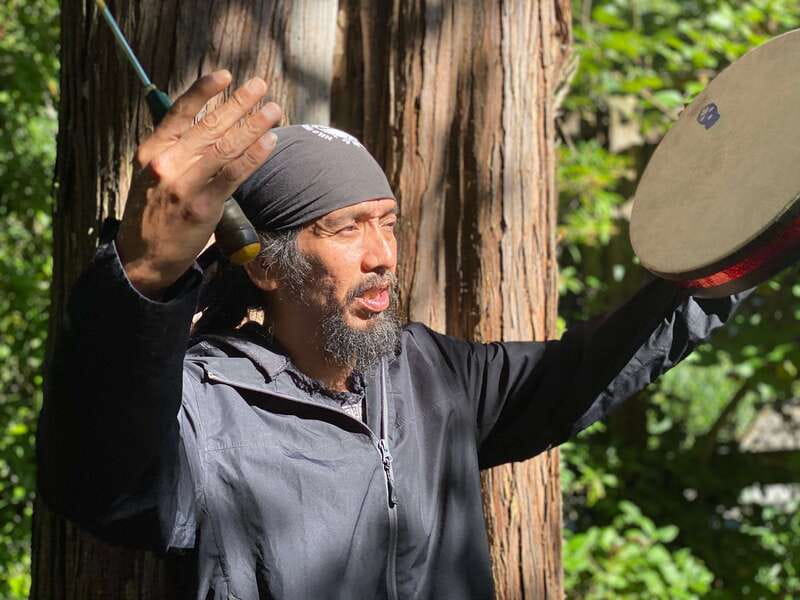
The main walking portion runs about 1.5 hours through Stanley Park. In practice, you’re on a leisurely path, but you’re not “covering distance” like a hike. You’re moving slowly enough to take in the plants around you and hear the stories connected to them.
Here’s what makes this portion worth it for your time:
- You’re learning how local people historically used the plants for food and medicine and also for technology.
- The guide shares ecological practices—how people approached the land with knowledge rather than taking blindly.
- The tour includes both stories/legends and practical cultural context, so it feels human, not abstract.
One realistic consideration: because there are frequent stops to talk, you may feel like you’re moving less than you expected even though the total distance is only about 2.2 km. That’s not a problem; it’s the point. These pauses are built in so the guide can connect what you’re seeing to why it mattered.
If you’re the kind of traveler who likes “why” stories (not just “what is this”), this walking section is likely to be the highlight. The review feedback you’ll hear from people tends to come back to the guide’s family-and-land connection and the passion in how the stories are shared. Expect that tone here: personal, grounded, and clearly meant to be shared.
Beaver Lake tea ceremony: the calm stop that makes it stick
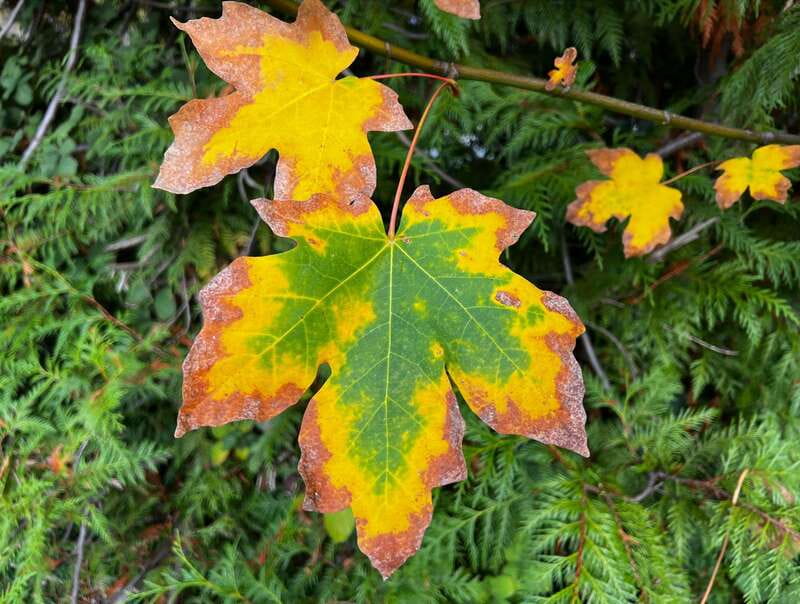
After the park walk, you’ll head to Beaver Lake. This is where the tour slows down in a different way. Instead of more walking and more talking outdoors, you get a tea moment and a tea ceremony component.
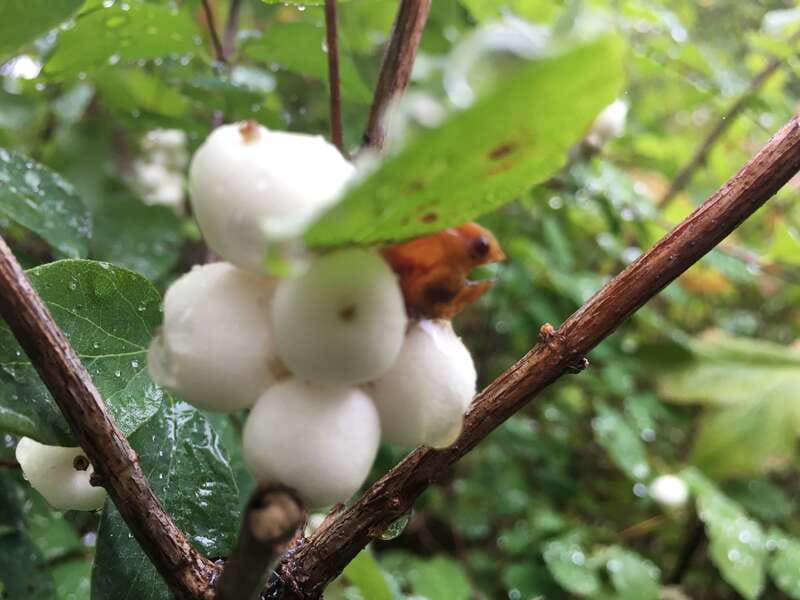
The tour includes complementary Indigenous herbal tea. Depending on the time of year, you may also get to taste Indigenous berries that grow throughout the park. That’s a practical learning tool. It takes what you heard about plants and brings it into your senses, even if you’re not tasting “everything.”
Why I think this stop adds real value: it changes the pace from information to reflection. Even if you’re a fast learner, a walking-only tour can blur together. A shared tea pause gives the experience shape—something you can carry in your memory longer than a list of plant facts.
Also, the ceremony format tends to make the atmosphere more respectful and attentive. It’s a good match for the overall theme of the tour: the relationship to the natural world isn’t just visual; it’s cultural and lived.
Price and value: is $58 fair for 90 minutes?
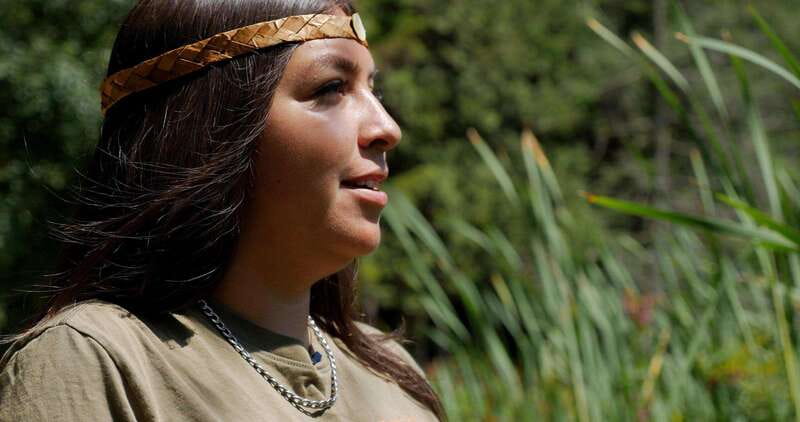
At $58 per person for 90 minutes, you’re paying for something specific: an Indigenous-led cultural interpretation of Stanley Park, plus the tea component.
Here’s what your money is buying:
- A local Indigenous guide acting as a cultural ambassador
- A guided walk in Stanley Park (about 2.2 km at a leisurely pace)
- Complementary Indigenous herbal tea
- Optional (seasonal) berry tastings
- A structured experience focused on plant uses and traditions
A lot of tours in major cities feel interchangeable—same routes, similar talking points, and no real change in how you see the place. This one is different because it’s not just about the park’s trees as scenery. It’s about how people used and understood those plants over time. That shift is what makes it good value.
Could it be overpriced if you only want basic sightseeing? Sure. If you’re not interested in learning traditional uses or cultural stories, you might find any guided content less satisfying. But if you want a meaningful way to experience Stanley Park, $58 for a guided Indigenous cultural walk plus tea is in the “reasonable and earned” category.



Who should book the Talking Trees tour (and who might not love it)
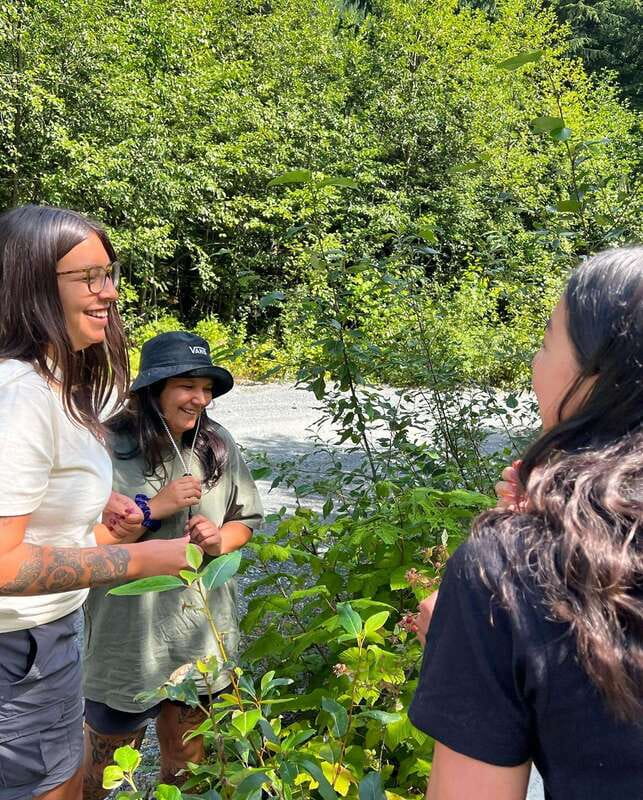
This tour fits best if you:
- Want a different angle on Stanley Park than the standard viewpoints
- Like learning through stories tied to practical life (food, medicine, technology)
- Enjoy walking tours where conversation and stop-and-go discussion are part of the format
- Appreciate cultural interpretation shared by someone connected to the land and communities of the region
The tour is recommended for children 12 and older. If you’re traveling with a younger child and you think they’d do well, the guides say they’re happy to consider it.
You might want to think twice if you:
- Prefer a sightseeing tour that is mainly scenic with minimal walking stops
- Have very limited ability to walk even short distances on uneven park paths
- Expect hotel pickup, because this tour does not include it (you’ll need to get yourself to the meeting point)
What to bring (so you can enjoy the walk)
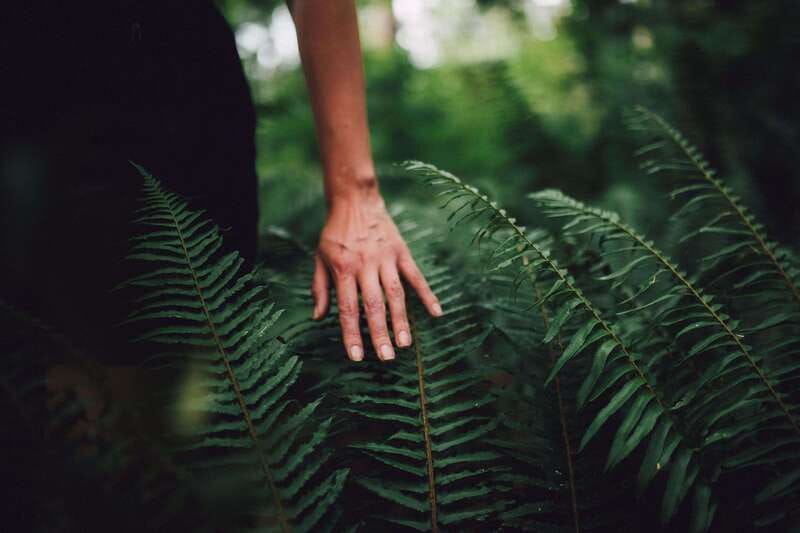
This is a practical walking tour, so your comfort matters.
Bring:
- Comfortable shoes
- Weather-appropriate clothing
- Layers (especially in Vancouver, where conditions can change)
In warmer weather, the tour recommends sunglasses, sunscreen, and a hat.
Don’t bring:
- Luggage or large bags
Also, since the tour includes tea and possibly berry tasting, you’ll want to dress so you can relax during the Beaver Lake stop. Light, breathable layers are ideal when it’s warm. When it’s cooler, layers let you adjust without cutting the tour short.
Timing, pace, and the reality of a 90-minute loop
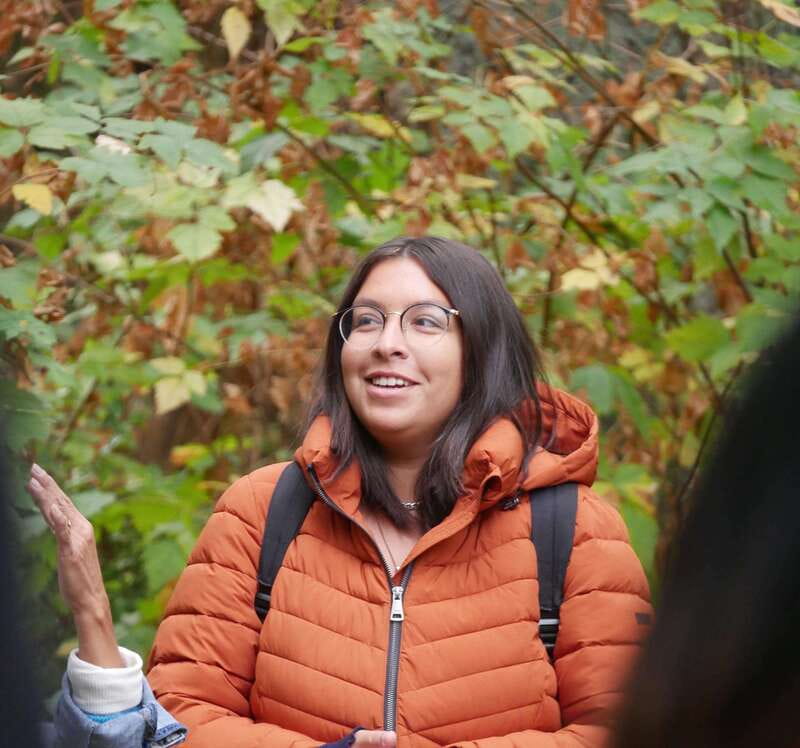
The total duration is 90 minutes. That’s long enough to feel like you got something real, but short enough that it doesn’t dominate your entire day.
The walking portion plus stops are designed around a leisurely pace. They note it’s about 2.2 kilometers total, with frequent stops for discussion and exploration. That means you shouldn’t plan a super tight schedule right after the tour unless you’re sure you’re close by.
If you’re combining it with other Stanley Park activities, think of this as a “main experience” moment. It pairs nicely with lighter plans before or after—think exploring independently, grabbing coffee, or heading to other nearby park highlights.
The local guide connection: why this tour feels different
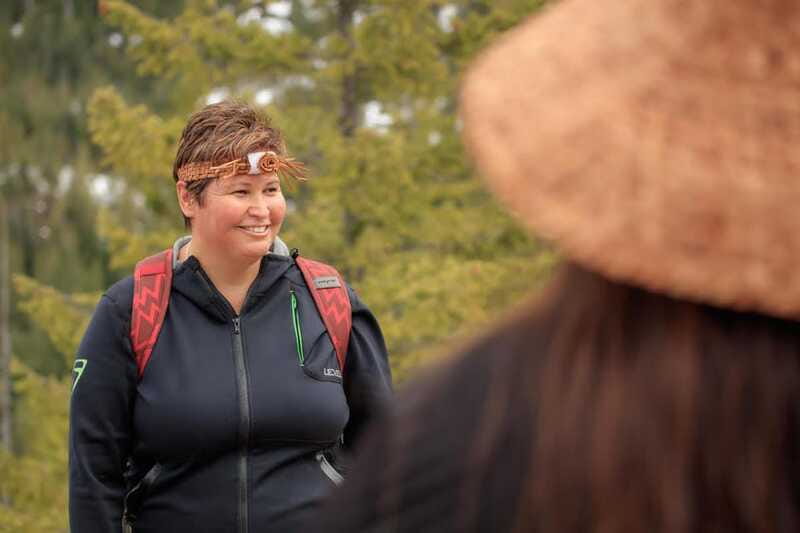
A lot of cultural tours talk about traditions. This one tries to show you how traditions connect to plants where they grow.
The overall messaging from the experience is that the guide’s relationship to the land and family history is part of the teaching. You’ll likely hear how ancestors used the area for generations, and you’ll be invited to consider how those ideas can apply in modern life.
This is also where the “Talking Trees” name becomes more than a cute label. The stories aim to make you feel the park as a working landscape in the past and a living ecosystem now—not just a pretty setting for photos.
Should you book this Vancouver Talking Trees Tour?
Book it if you want Stanley Park to feel personal, not generic. This tour combines an Indigenous cultural ambassador, a short walk, and a tea ceremony stop that turns learning into something you can taste and remember. It’s a strong choice for travelers who care about respectful interpretation and practical connections between people and plants.
Skip it if your priority is quick sightseeing with minimal walking stops, or if you’re only interested in general park facts. In that case, you may find the focus on traditional plant uses and cultural traditions doesn’t match your expectations.
If you’re flexible, wear good shoes, show up ready to listen, and keep your expectations aligned with a guided cultural walk, you should come away with a new way of seeing the trees around you.
FAQ
How long is the Vancouver Stanley Park Talking Trees Tour?
The tour lasts about 90 minutes.
Where do I meet the guide?
Meet directly under the gazebo at the Stanley Park Bus Loop near the Miniature Railway and the Pavilion. The meeting location is Google Maps LOT-62F (not the Historic Loop at the park entrance).
Is hotel pickup included?
No, hotel pickup and drop off are not included.
What is included in the price?
The tour includes complementary Indigenous herbal tea. Depending on the time of year, you may also get to taste Indigenous berries that grow throughout the park.
Do I need to pay everything upfront?
No. You can reserve your spot and pay later.
What language is the tour conducted in?
The tour is in English.
How much walking is involved?
It’s approximately 2.2 kilometers at a leisurely pace with frequent stops for discussion.
What should I bring?
Bring comfortable shoes and weather-appropriate clothing. In warmer weather, the tour also recommends sunglasses, sunscreen, and a hat.
Is luggage allowed?
No. Luggage or large bags are not allowed.
Is it suitable for children?
It’s recommended for children 12 and older. If you have a younger child and you think the tour is suitable, the guides say they’ll be happy to include them.