REVIEW · VANCOUVER
Vancouver: The Dark Secrets of Stanley Park Tour
Book on GetYourGuide →Operated by Forbidden Vancouver · Bookable on GetYourGuide
Stanley Park has a darker side than you expect. This walking tour trades postcard views for trail time and story-led stops tied to Coast Salish presence, forced evictions, and unsettling legends. I like that it’s guided by a professional storyteller who keeps the pace moving while you learn how the park’s past still shows up in plain sight.
Two things I especially liked: the way you get off the main paths into forested routes most visitors never try, and how the tour connects major landmarks like the totem poles and seawall to smaller, more uncomfortable details like secret cemeteries and crime scenes. One possible drawback: it’s built for adults, with references to mature themes, so it may not feel like a light sightseeing stroll.
In This Review
- Key Highlights Worth Showing Up For
- Starting at the Vancouver Aquarium and Getting Oriented Fast
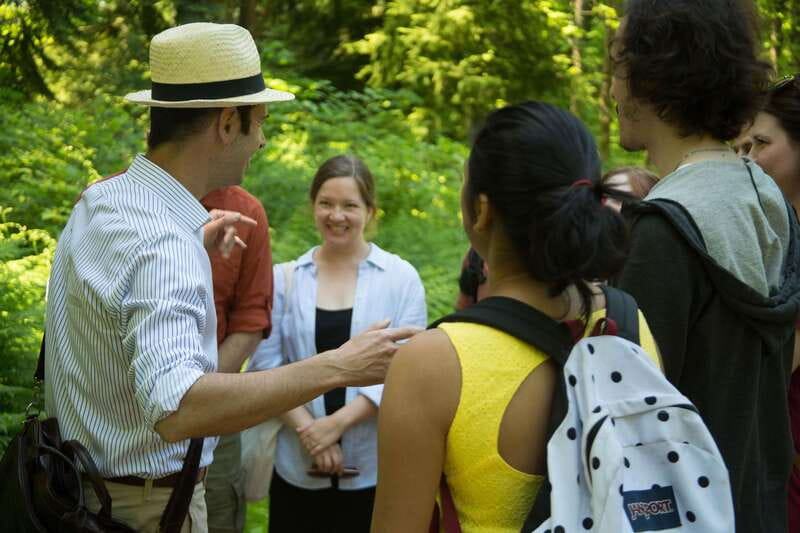
- Stanley Park’s “Forest Side” on Foot (Not Just the Main Paths)
- Coast Salish Village Sites and the Story of Forced Evictions
- Totem Poles and the Parks Built-In Memory
- Deadman’s Island: Ancient Legend Meets Smallpox-Era Reality
- Secret Cemeteries, Ghost Stumps, and Shocking Crime Scenes
- Seawall Views, Lions Gate Bridge, and Downtown’s Contrast
- The Pace and Price: Is $28 Worth It for Two Hours?
- What to Bring So the Walk Feels Easy
- Who This Tour Is Best For (And Who Might Want Something Else)
- Guides and Storytelling Quality: The Part You’ll Feel in Every Stop
- Should You Book This Stanley Park Dark Secrets Tour?
- FAQ
- Where does the tour meet?
- How long is the tour?
- How much does it cost?
- What language is the tour in?
- Is this tour suitable for children?
- Is the tour wheelchair accessible?
- What should I bring?
- Are pets allowed?
- What’s the cancellation policy?
Key Highlights Worth Showing Up For
- Off-the-beaten-path forest trails under huge trees, with real walking time on lesser-used paths
- Coast Salish village sites and the story of government pressure and forced evictions
- Deadman’s Island plus the legend tied to an ancient war and use during smallpox outbreaks
- Totem poles and seawall viewpoints paired with the park’s hidden corners
- True crime storytelling and secret cemeteries, plus ghost stumps and crime-scene style stops
Starting at the Vancouver Aquarium and Getting Oriented Fast
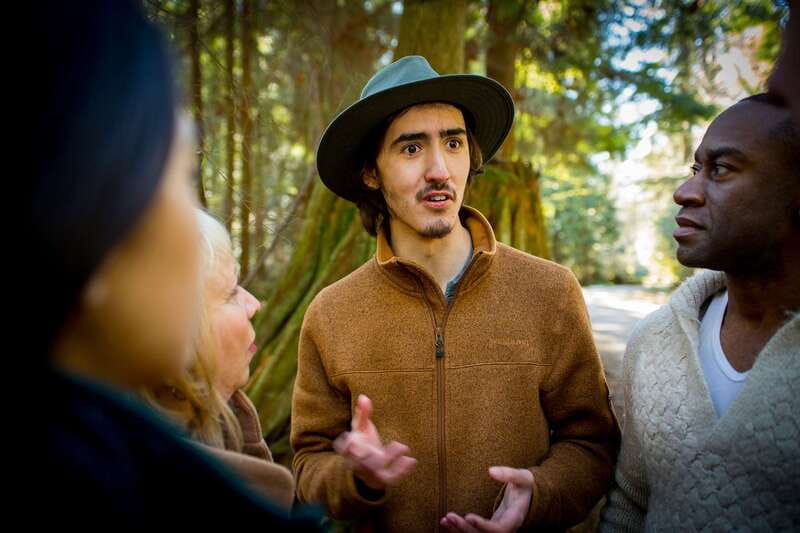
You’ll meet right by the Vancouver Aquarium, at the Whale sculpture outside the entrance (845 Avison Way in Stanley Park). That’s a smart choice because it puts you near the action immediately, so you’re not wandering around figuring out where to begin.
From there, the tour focuses on walking first and explaining as you go. The result is that you’ll get bearings quickly, then everything you see starts to connect to the stories you’re hearing.
If you’re the type who usually keeps Stanley Park to easy loop walks, you’ll like this shift. You’re still in one of Vancouver’s most famous places, but you’re using it as a history trail, not a scenic loop.
You can also read our reviews of more tours and experiences in Vancouver.



Stanley Park’s “Forest Side” on Foot (Not Just the Main Paths)
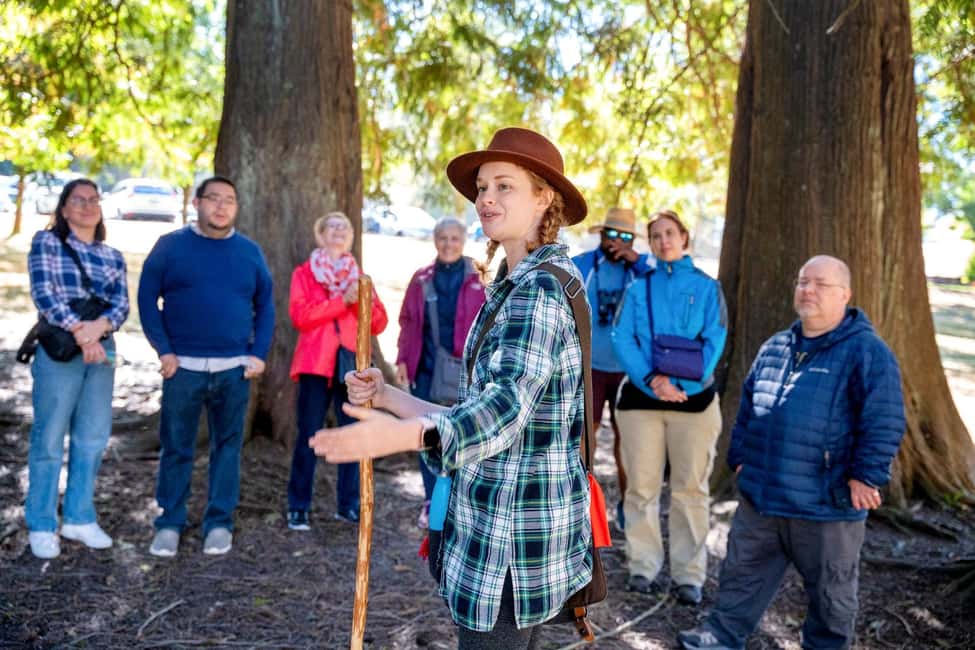
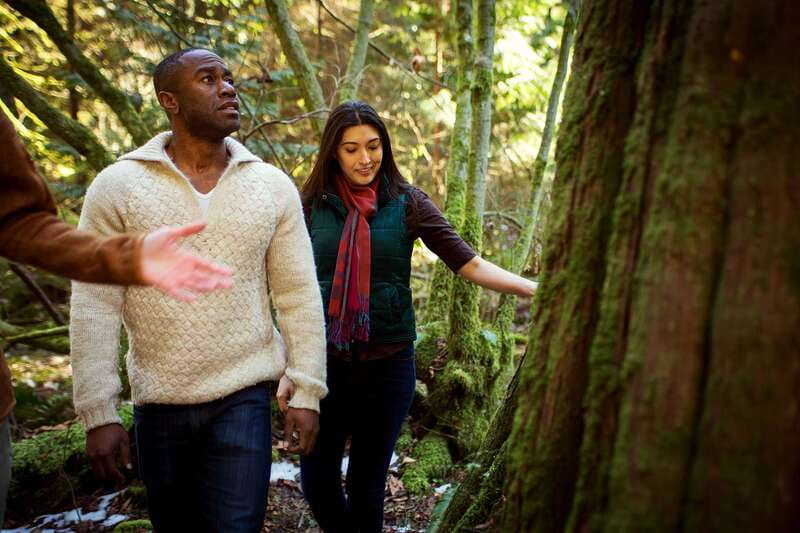
One of the best parts is the way you move beneath towering trees on trails that few people seem to use. You’re not just looking at nature; you’re experiencing that Pacific Northwest feel up close, with the ground under you and the park’s quieter corners in front of you.
Comfort matters here. You’re on foot for about two hours, so you’ll want comfortable shoes and weather-appropriate clothes. If it’s damp (and it often can be), good footwear makes the difference between enjoying the walk and counting minutes.
The tour also doesn’t rush the “where am I?” moments. It’s the kind of pacing that helps you notice small details—turns in the trail, shifts in visibility, and how certain spots feel more secluded once you’re standing there.
Coast Salish Village Sites and the Story of Forced Evictions
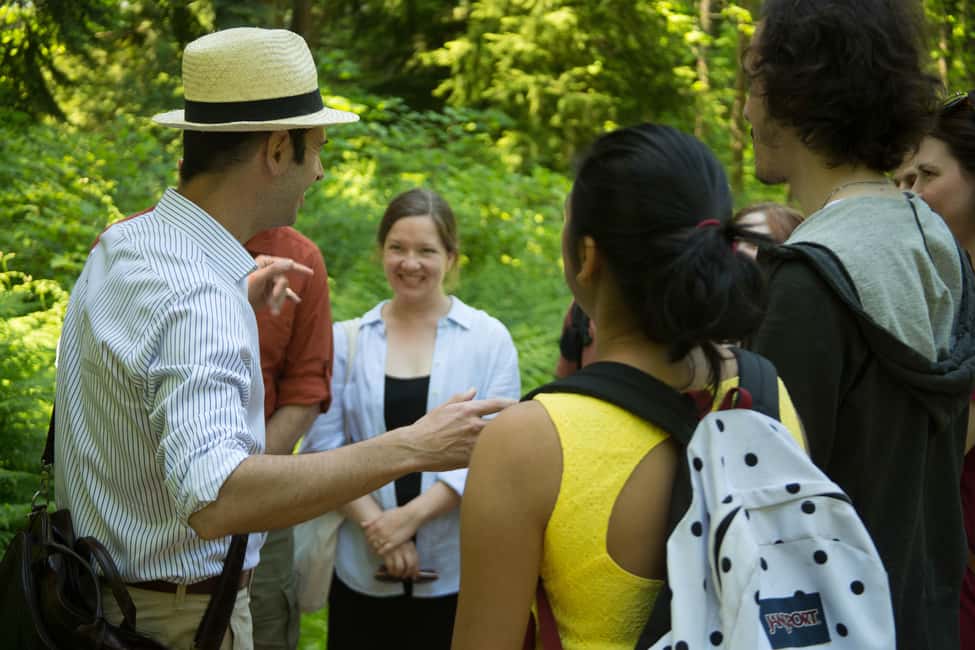
The core of the tour is the long, difficult story of Coast Salish life in the area—and what happened afterward. You’ll learn how people lived on the land for millennia, then faced relentless pressure that led to forced evictions by the government.
What I like about how this lands is that it doesn’t float in generalities. You’re shown specific sites tied to former Coast Salish villages, and you learn how those locations can look ordinary now while carrying heavy meaning.
This part also gives context for why Stanley Park became known in the public imagination as an untouched refuge. The tour’s point is that the past is complicated, and the park’s celebrated “rainforest next to the city” story hides real human conflict.
It’s also where the tour’s adult tone makes sense. The material isn’t just facts; it’s about treatment of Indigenous peoples and marginalized groups who were pushed out and harmed. Guides like Ashlyn, who’s been praised for being friendly and bringing this history into focus, help make the tone feel grounded rather than sensational.
Totem Poles and the Parks Built-In Memory
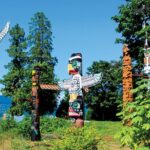
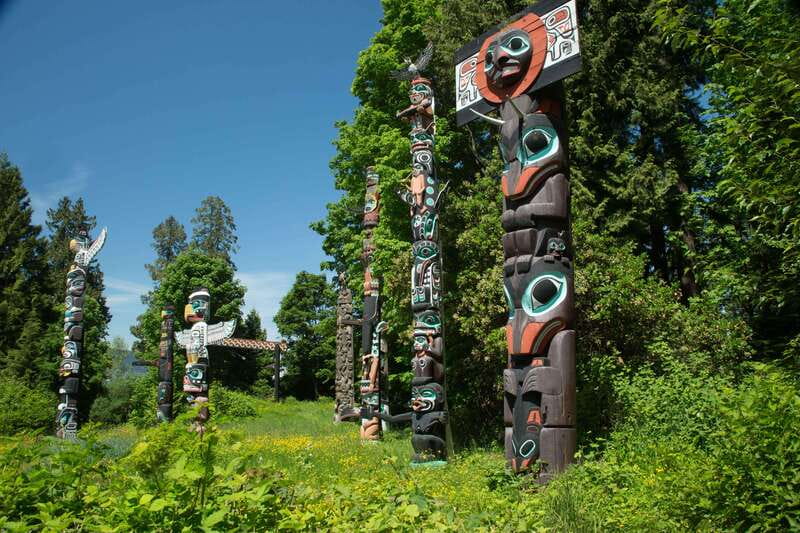
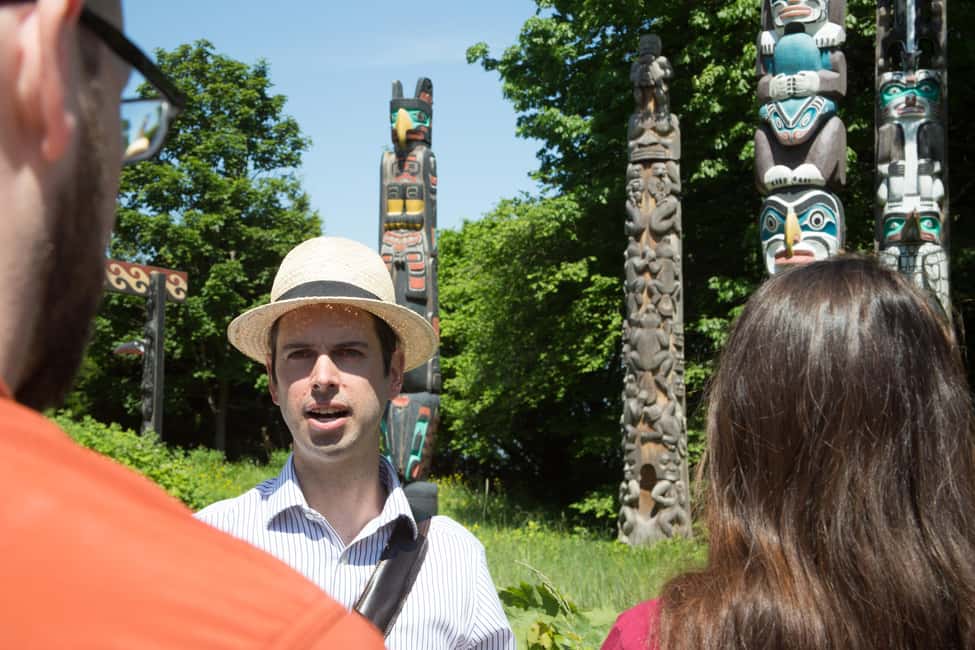
Yes, you’ll see the world-famous Stanley Park totem poles. But you’re not viewing them as standalone art pieces. The tour frames them within a broader understanding of Coast Salish presence and the park’s changing human story.
That changes how you look. Instead of just reading labels and moving on, you’ll spend time connecting the symbolism you see to the culture and communities that shaped (and were affected by) the region’s history.
A practical note: even on a shorter two-hour tour, stops like totem poles can make the walking time feel slower in a good way. You get brief pauses where your brain can catch up, and that’s important when you’re hearing heavier topics.
Deadman’s Island: Ancient Legend Meets Smallpox-Era Reality
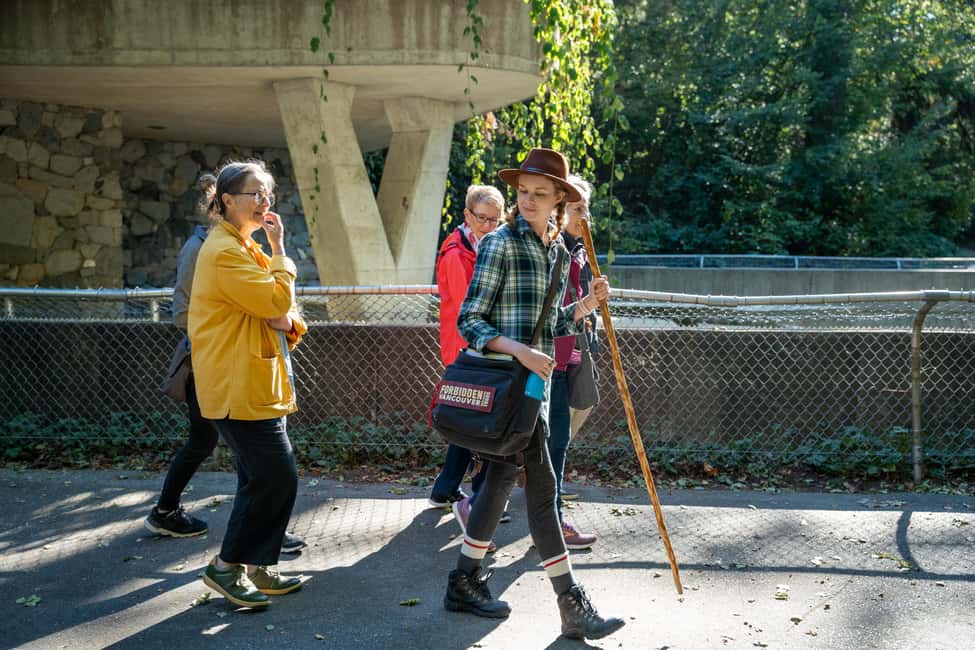
One of the most memorable segments is the stop tied to Deadman’s Island. You’ll hear the Squamish legend connected to an ancient war, and you’ll also learn how the island was used as a pest house during smallpox outbreaks in the 1800s.
This is a powerful contrast: legend and history sit next to each other, and both help you understand why certain places in Stanley Park carry fear, mystery, and lasting stories. It’s the kind of topic that can feel scary or uncomfortable, but the tour keeps it factual and story-driven rather than turning it into cheap shock.
If you like true stories with real stakes, this is a highlight. It’s also one of the places where the guide’s storytelling skills really matter, and you’ll see that in how guides like Cole are praised for making history click during a walk.



Secret Cemeteries, Ghost Stumps, and Shocking Crime Scenes
This tour has a true “dark secrets” vibe, and it shows up in several stop types. You’ll discover secret cemeteries and hear about crime scenes tied to the park’s history. You’ll also learn about ghost stumps—another example of how Stanley Park’s past can feel like it’s haunting the present without needing special effects.
A lot of tours do history as a timeline. This one does it as place-based storytelling, which is why the cemeteries and crime-scene stops stand out. Standing in the park with those details in your head changes how you interpret what’s around you.
That said, it’s also why age matters. The tour is designed for adult audiences, with references to adult themes, and the local recommendation is 14+ (with children 10+ only if parents are comfortable with mature subject matter). If you’re traveling as a family, check your comfort level first.
Seawall Views, Lions Gate Bridge, and Downtown’s Contrast
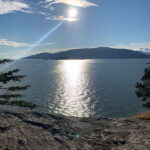
You don’t spend the whole tour underground in history mode. You also get breathtaking views from the park—especially over Downtown and toward the Lions Gate Bridge.
This part is smart, not random. After heavy stories about evictions, disease outbreaks, and crime, the views act like an emotional reset. You get to look out and remember that you’re in a living place, not just a museum.
Even better, the tour connects those viewpoints to the park’s layout. You’ll notice how the seawall and certain vantage points shape what people historically used and what they could see, which adds texture to the big-name sights.
The Pace and Price: Is $28 Worth It for Two Hours?
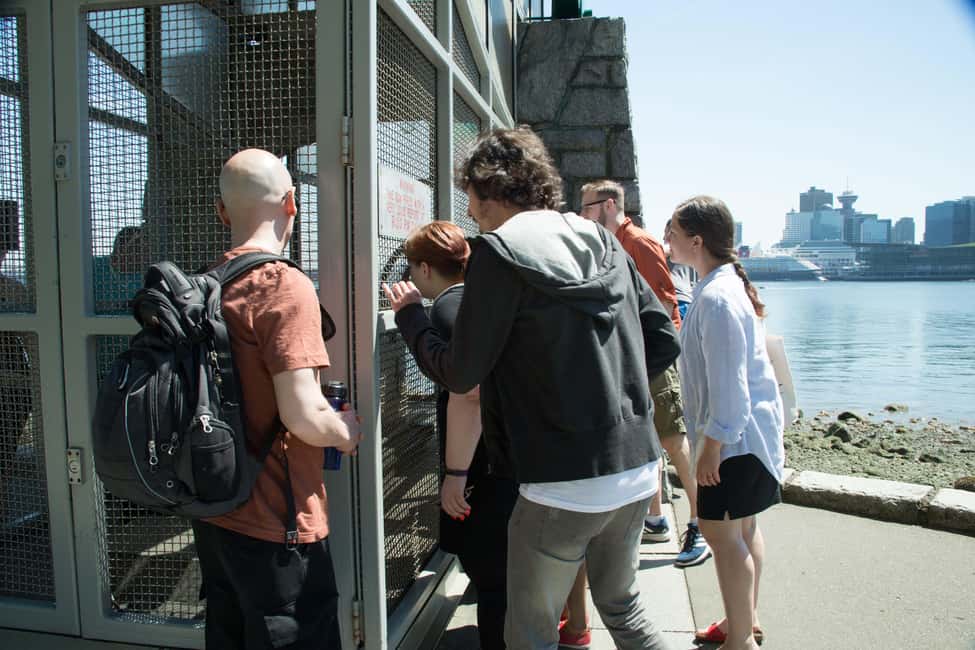
At $28 per person for a two-hour guided walking experience, you’re paying for more than access—you’re paying for interpretation. This is what makes the tour feel like value instead of a paid walk.
You’re getting an intimate guided format with a local expert, plus a mix of:
- off-main-path forest walking
- major landmarks like totem poles and seawall
- heavier topics like forced evictions, pest-house history, secret cemeteries, and crime stories
If you already know Stanley Park only as a photo spot, you’ll likely get your money’s worth just from the change in perspective. If you’re the kind of visitor who likes stories, this tour is designed for you.
One thing to consider: because it’s story-led, it’s not a “max scenic photos” tour. You may take fewer photos than you expect because you’ll be listening and walking for context.
What to Bring So the Walk Feels Easy
For a smooth experience, I’d plan like it’s a real outdoor walk, not a quick stroll. Bring comfortable shoes, water, and a drink. Add sunscreen if it’s bright, and wear weather-appropriate clothing because the park’s conditions can shift.
Cash is also listed as something to have on you. And since it’s a walking tour, you’ll want to think about timing and hydration early, not at the end.
Pets aren’t allowed, so plan accordingly if you’re traveling with animals. And if you’re feeling unwell or have had recent contact with someone ill, the tour advises skipping attendance.
Who This Tour Is Best For (And Who Might Want Something Else)
This tour is best for you if you:
- like history that’s tied to specific places you can stand on
- enjoy true crime stories and dark legends, told carefully
- want Indigenous history to be part of your Stanley Park experience, not an afterthought
- don’t mind a more adult tone while you walk
It’s a weaker fit if you want a purely light, family-friendly nature tour or if you need wheelchair access. The tour isn’t suitable for wheelchair users, and it’s not recommended for children under 10.
Also, it helps if you like listening. The payoff here comes from story and context, not just scenery.
Guides and Storytelling Quality: The Part You’ll Feel in Every Stop
What stands out is that the experience depends on the guide’s storytelling. Names that show up in strong feedback include Cole, Ashlyn, and Glenn, all praised for being engaging, friendly, and able to make the park’s hidden story land.
That matters because the topics can be heavy. When a guide is good at pacing and clarity, you end the tour informed and thoughtful instead of rattled or lost.
In short: if you care about how a place is explained, this tour is built to deliver.
Should You Book This Stanley Park Dark Secrets Tour?
Book it if you want the Stanley Park you don’t usually get: quieter paths, Coast Salish village sites, Deadman’s Island history, and stops like secret cemeteries and crime-story moments—then a reward in the form of seawall and Downtown/Lions Gate views.
Skip it if you want an easy, purely scenic walk, or if mature themes would be a problem for anyone in your group. Also skip if you need wheelchair accessibility.
If you’re on the fence, use this simple test: Are you the type who likes a place more after you learn what happened there? If yes, this tour is a strong match for Vancouver time that feels real, not just famous.
FAQ
Where does the tour meet?
You meet outside the Vancouver Aquarium at the Whale sculpture at 845 Avison Way in Stanley Park.
How long is the tour?
The tour lasts about 2 hours.
How much does it cost?
It costs $28 per person.
What language is the tour in?
The live tour guide speaks English.
Is this tour suitable for children?
The tour is designed for adult audiences. The local recommendation is 14+. Children aged 10+ can attend if their parents are comfortable with the mature subject matter. It is not suitable for children under 10.
Is the tour wheelchair accessible?
No. It is not suitable for wheelchair users.
What should I bring?
Bring comfortable shoes, water and drinks, sunscreen, and weather-appropriate clothing. Cash is also listed.
Are pets allowed?
No, pets are not allowed.
What’s the cancellation policy?
Free cancellation is available up to 24 hours in advance for a full refund.