REVIEW · VANCOUVER
Vancouver to Seattle Scenic Seaplane Transfer: One Way
Book on Viator →Operated by Harbour Air Ltd · Bookable on Viator
That hour over the Pacific Northwest is the whole point. This one-way Vancouver to Seattle scenic seaplane transfer swaps airport hassle for a close-to-the-water ride and big window views. I like how it starts right at Coal Harbour, steps from major downtown landmarks, and ends at Lake Union, close to where you want to be.
Two standouts make this feel like good value. You get a confirmed 25 lb / 11 kg luggage allowance included, and the flight is small enough that the boarding-and-border process often feels quick. One thing to plan carefully: this is strict about passport, US entry rules, and baggage limits, and denied entry can mean you’re on the hook for return flight costs.
In This Review
- Key Things to Know Before You Fly
- Downtown Vancouver to Downtown Seattle: No Airport Marathon
- The Flight You’re Really Paying For: Views From Water Level
- Customs and US Entry: What Can Slow You Down
- Luggage Rules: 25 lb Included, But Plan Around the Limits
- The Seattle Landing Point That Keeps Things Simple
- Price and Value: What $331.46 Buys You
- Check-In Timing and Small-Plane Reality
- Who Should Book This Seaplane Transfer (and Who Shouldn’t)
- Should You Book the Vancouver to Seattle Seaplane Transfer One Way?
- FAQ
- How long is the Vancouver to Seattle seaplane transfer?
- Where does the seaplane depart in Vancouver?
- Where does the seaplane arrive in Seattle?
- Is luggage included in the price?
- Do I need a passport?
- What time should I arrive at the terminal?
- Is hotel pickup included?
- Is the return trip included?
- What happens if I’m denied entry into the US?
- What is the maximum group size?
Key Things to Know Before You Fly
- Downtown departure at Coal Harbour keeps you away from the long drive and big-airport stress.
- 55 minutes in the air is a fast way to protect vacation time.
- 11 kg / 25 lb luggage included, with rules that international travel requires.
- Lake Union arrival puts you near downtown Seattle without a transfer circus.
- Small max group size (up to 12) typically means a calmer experience.
- Customs happens as part of the flow before departure, not as an afterthought on arrival.
Downtown Vancouver to Downtown Seattle: No Airport Marathon
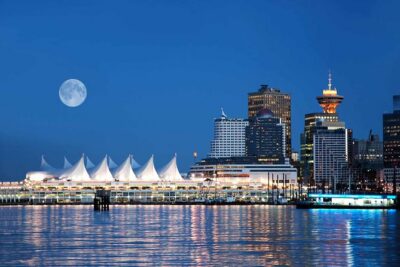
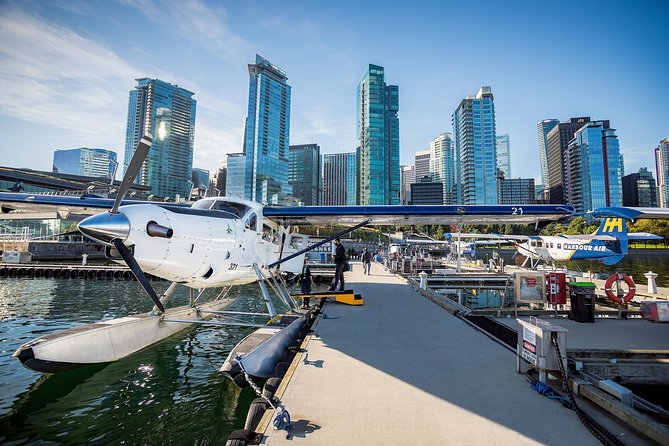
The flight’s biggest advantage is that both ends are built for convenience. In Vancouver, you start at Harbour Air – Vancouver at 1055 Canada Pl, right by Canada Place and the Vancouver Convention Centre. It’s the kind of departure point where you can show up, check in, and get your bearings fast—no long airport walk.
Check-in timing matters. You’ll want to be there at least 60 minutes before departure, and you’ll be checking in 1 hour prior at the terminal. Plan to arrive early so you have time for passport checks and the baggage process without feeling rushed.
You’re not sitting in a crowded terminal either. Boarding is for a small aircraft, and once the pilot gives the safety briefing, the day turns into pure flight time. That shift—less waiting, more window time—is exactly why many people like this route.
You can also read our reviews of more tours and experiences in Vancouver



The Flight You’re Really Paying For: Views From Water Level
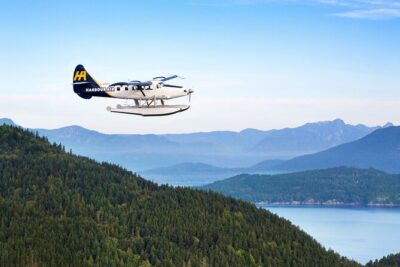
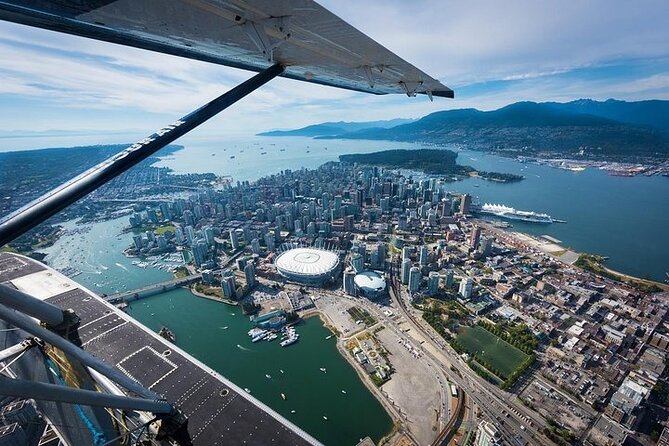
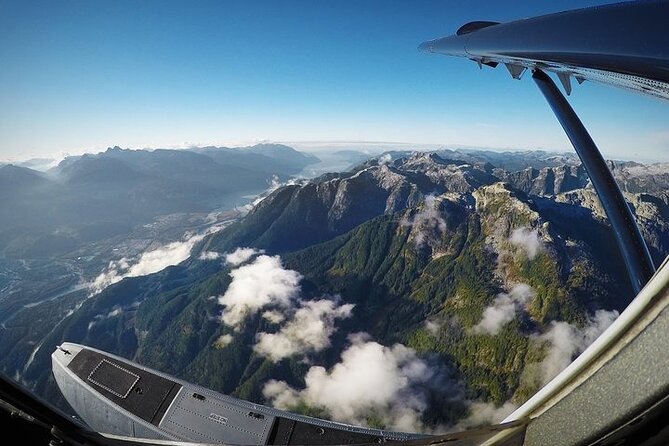
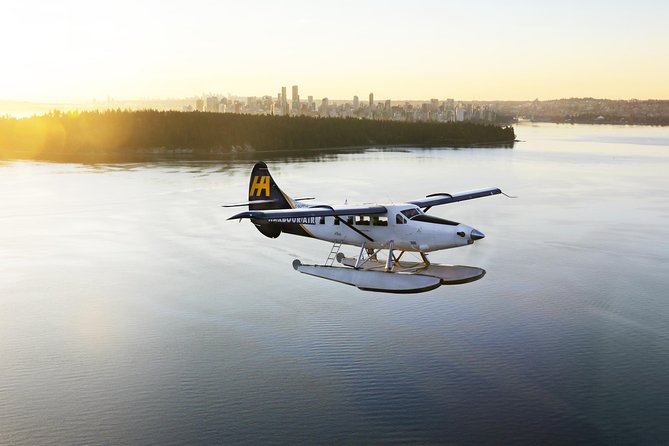
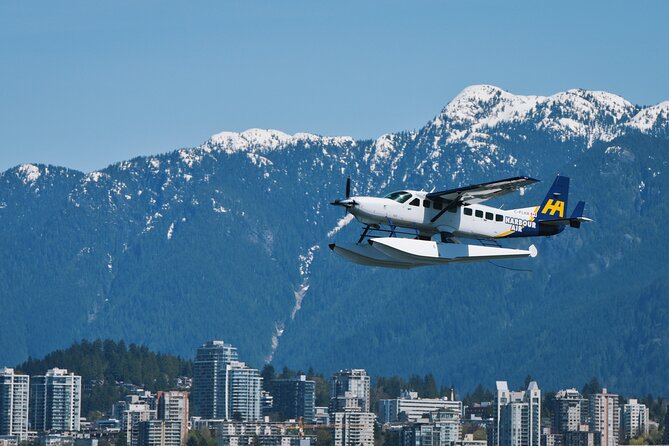
If you care about scenery, this is the best kind of transportation. After takeoff from Coal Harbour, you fly low enough to see the North Shore Mountains, and you get strong views over Stanley Park, Lions Gate Bridge, and English Bay. The effect is personal: you can look down and feel like the city and water are close enough to touch.
Then you head south over the Salish Sea and cross into the United States. From the air, you’ll typically spot the San Juan Islands, with forested shorelines and lots of water miles. It’s one of those flights where you can spend the whole time tracking coastlines and islands, not just watching clouds.
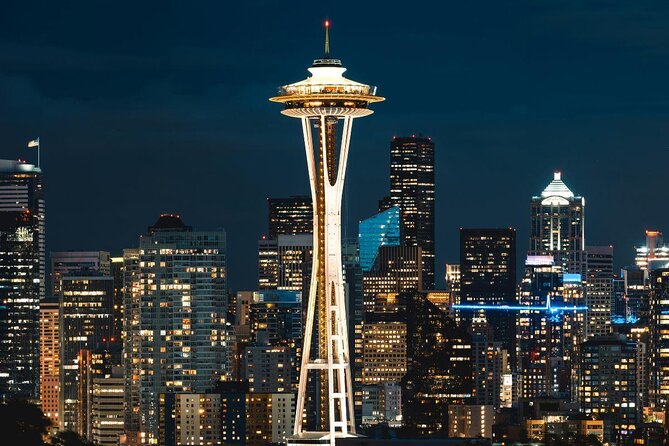
Finally, you land on Lake Union in Seattle. Lake Union is right by the downtown core, and from the water you’ll likely spot Seattle’s skyline, the Space Needle, and Gas Works Park. The landing itself is part of the experience—water landings tend to feel gentler than people expect from a plane ride.
The whole route is short, but the scenery is wide. In other words: you’re not buying a long-haul flight with a quick view. You’re buying a short flight designed around big views.
Customs and US Entry: What Can Slow You Down
This transfer is international, so the rules are real. You’ll show your passport and go through customs inspection that includes baggage checks, and you complete the process as part of leaving Vancouver. You must be in line with US entry requirements before departure.
That matters because the consequences are spelled out. If you’re denied entry into the US, you’re responsible for return flight costs. It’s not meant to scare you; it’s meant to make you double-check that your travel documents are exactly right before you go.
Also, keep an eye on the baggage rule. For international restrictions, all baggage must travel with the passenger on their international scheduled flight. If you’re thinking of packing a surprise bag you might check later, this is not the transfer for that plan.
If you’re traveling from a cruise or another trip with multiple changes, build extra time into your day for passport readiness. The smoother you are with documents and baggage at the start, the more relaxed the flight feels at the end.
Luggage Rules: 25 lb Included, But Plan Around the Limits
You get a confirmed 25 lb (11 kg) luggage allowance per passenger, and it includes personal items. That’s a meaningful inclusion for a one-way ride, especially if you’re trying to travel light without paying separate airline baggage fees.
But the key detail is how strict the system is. Your baggage has to be tied to you on your scheduled international flight—excess baggage can’t be moved to another departure. If you need more than your allowance, you may have an option to purchase an extra seat to accommodate extra baggage weight, but you have to request it.
One practical tip: when you pack, treat the 11 kg as a real number, not a suggestion. It’s easy to overpack with one more hoodie, a souvenir, or a second pair of shoes—then you’re stuck making decisions at the last moment.
Another practical reality: there’s no mention of “extra luggage drop” flexibility. Additional baggage cannot be accepted at check-in without advance booking. So if you’re near the limit, either adjust ahead of time or plan for the extra arrangement before you arrive.
The Seattle Landing Point That Keeps Things Simple
Landing at Lake Union is one of the quiet wins. Lake Union Seaplane Base sits at the south end of the lake near Seattle’s downtown core, close to the area where downtown meets the Museum of History and Industry (MOHAI). You’re not pushed far out into the suburbs just to start your trip.
Once you arrive, you’re immediately close to the city’s walking-or-short-ride neighborhoods. The easy ideas are right there: Pike Place Market, the waterfront, and a quick jump to neighborhoods like Capitol Hill. If you’re looking for culture, Seattle Art Museum is a solid stop.
If you want a signature Seattle attraction, Chihuly Garden and Glass is a great match for a water-to-city arrival day. And if you’re planning a bigger day outside the city, Mount Rainier National Park is described as a short drive away.
So the transfer works in two ways. It gives you time back, and it also places you where you can start exploring fast.






Price and Value: What $331.46 Buys You
At $331.46 per person for a one-way flight, this is not a budget bus. The question is whether you’re paying for convenience and scenery—or paying for just scenery.
Here’s the real value equation. You’re paying for saved time by skipping a long drive and avoiding airport friction. The flight is about 55 minutes, and the departure and arrival locations are both downtown-adjacent. That reduces the “lost hours” that often come with commercial flying.
The price also makes more sense when you factor in included luggage. You get 11 kg / 25 lb confirmed baggage included, which helps if your alternative would be paying extra bag fees on a commercial airline. Some people also find that Harbour Air can be cheaper than commercial air once you count the time and added transit.
One more value angle: it’s a small aircraft experience with a maximum of 12 travelers. Smaller group travel often feels calmer, with less time spent in lines and moving through huge terminals.
One consideration is that your flexibility is limited. If you overpack, or if your travel documents are off, you don’t get the “we’ll just deal with it later” vibe. This works best when you follow the rules on day one.
Check-In Timing and Small-Plane Reality
Plan for the fact that you’re dealing with a small operation, not a large airline. You should arrive at least 60 minutes before departure, and you won’t board if you miss check-in cutoff times. The cutoff is real: if you’re not checked in before cutoff, you won’t board and you won’t get a refund.
You also have a mobile ticket, which helps with speed once you’re at the terminal. Still, don’t assume you can show up at the last minute and sort it out on your phone screen.
Because the plane is small, the flight feels personal. You’ll usually hear the safety briefing promptly and get on the water for takeoff without long delays. That’s part of the charm—and part of the reason you should protect your schedule instead of gambling with timing.
Who Should Book This Seaplane Transfer (and Who Shouldn’t)
This one-way transfer is a strong fit if you want a travel day that feels like part of the vacation. It’s ideal for couples, solo travelers, and groups who care about scenery and hate wasting hours in traffic or terminal lines.
It also fits well if you want downtown-to-downtown convenience. Departing from Coal Harbour and arriving at Lake Union is made for people who want to start exploring Seattle quickly rather than spend the day in transit.
What might not fit is anyone who needs more luggage than the 11 kg included allows. The baggage rules are strict, and excess luggage can’t be shifted to a different flight without advance planning. If your itinerary requires extra bags, check your packing early.
It’s also important if you’re uncertain about US entry paperwork. Since customs and US entry compliance happens before departure, make sure you’re fully ready to enter the United States.
Should You Book the Vancouver to Seattle Seaplane Transfer One Way?
Book it if you want to trade logistics for views. This route is built around quick travel and real scenery—low flying over the coast, a border crossing over the water, and a Seattle arrival onto Lake Union close to downtown.
Skip it (or reconsider) if your plan depends on last-minute baggage flexibility or you’re not confident about US entry requirements. The biggest risks here are preventable: keep your documents correct and respect the 11 kg / 25 lb limit.
If you’re the kind of traveler who likes getting a story from your transportation day, this is a great use of your time. It’s short, scenic, and designed to keep you moving toward Seattle without the usual airport grind.
FAQ
How long is the Vancouver to Seattle seaplane transfer?
The flight duration is about 55 minutes.
Where does the seaplane depart in Vancouver?
It departs from the Harbour Air terminal at 1055 Canada Pl, Vancouver, BC V6C 0C3, near Canada Place and the Vancouver Convention Centre.
Where does the seaplane arrive in Seattle?
It arrives at 950 Westlake Ave N, Seattle, WA 98109, at the Lake Union Seaplane Base near downtown.
Is luggage included in the price?
Yes. Your fare includes a confirmed 25 lb (11 kg) of luggage per passenger, including personal items.
Do I need a passport?
Yes. You must have a valid passport for travel.
What time should I arrive at the terminal?
Plan to arrive at least 60 minutes before the scheduled departure time.
Is hotel pickup included?
No, hotel pickup is not included.
Is the return trip included?
No. The return flight to Vancouver is not included and must be booked separately.
What happens if I’m denied entry into the US?
Passengers are responsible for return flight costs if denied entry.
What is the maximum group size?
This activity has a maximum of 12 travelers.