REVIEW · VANCOUVER
Intimate West Coast Whale Watching – Partly-Sheltered
Book on Viator →Operated by Wild Whales Vancouver · Bookable on Viator
Whales without the big-ship chaos. This partly-sheltered West Coast outing in Vancouver keeps things tight and focused, with a crew that’s actively helping you find whales instead of just hoping for the best. I like the small-group feel and the way the captain stays in touch with other nearby boats to improve your odds.
You’ll also get a lot more than watch-and-wait. I really like the onboard wildlife expert support, with clear explanations of whale behavior and migration, plus extra attention to what you should look for as the action starts—like fin slapping, breaching, and fluking.
One thing to plan around: this trip is weather-dependent. If conditions are rough or the minimum number of passengers isn’t met, the plan can change, including cancellation for poor weather.
In This Review
- Key Points to Know Before You Go
- A Small-Group Whale Hunt Built for Real Sightings
- The Ride Matters: Partly-Sheltered Waters and Real Comfort
- Granville Island Public Market: The 30-Minute Snack Reset
- Out on the Water: How the Crew Finds the Right Moment
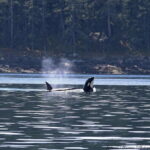
- What You Might See: Humpbacks, Orcas, and Sea Lions
- Timing and Group Size: What a 3 to 5 Hour Trip Feels Like
- Price and Value: Is $169.34 a Good Deal?
- Where You Start: The Meeting Point and Getting Ready
- Who Should Book This Tour
- Should You Book This Tour?
- FAQ
- How long is the whale watching experience?
- Where does the tour meet?
- Is there a stop at Granville Island Public Market?
- Do I need to bring sunscreen and water?
- Is there a restroom on board?
- What is the maximum group size?
- What language is the tour offered in?
- What happens if the trip is canceled due to poor weather?
- When will I receive confirmation after booking?
Key Points to Know Before You Go
- Small group size (max 32) means less crowding and easier viewing
- Crew communication on the water helps locate whales when they’re not right in front of you
- Wildlife experts explain what you’re seeing so the sightings feel meaningful, not random
- Granville Island Public Market stop gives you an easy 30-minute snack reset before boarding
- You may see multiple species depending on what’s moving through the area
- Restroom on board and practical comfort helps you stay out longer without stress
A Small-Group Whale Hunt Built for Real Sightings
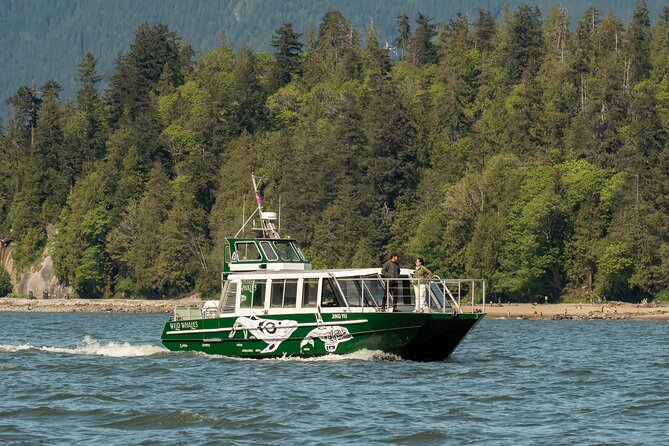
Vancouver whale watching can be hit-or-miss if you’re on the wrong boat, in the wrong crowd, at the wrong moment. This style of trip is designed to reduce the chaos. With a maximum of 32 travelers, you’re not fighting for a window of view or elbowing your way toward the rail.
The bigger idea here is focus. The crew is paying attention to where whales are likely to be and, crucially, where whales are actually being reported. In practice, that often means the captain doesn’t just drive in one direction and hope. Instead, the boat adjusts based on information shared with other local whale-watching vessels—so you’re more likely to land on active pods.
And because the route is described as partly-sheltered, you should expect a smoother experience than a fully exposed ocean run, especially in typical West Coast conditions. You’ll still feel the sea, because it’s still the water, but it’s not the “white-knuckle, every wave matters” kind of setup.
You can also read our reviews of more whale watching tours in Vancouver

The Ride Matters: Partly-Sheltered Waters and Real Comfort
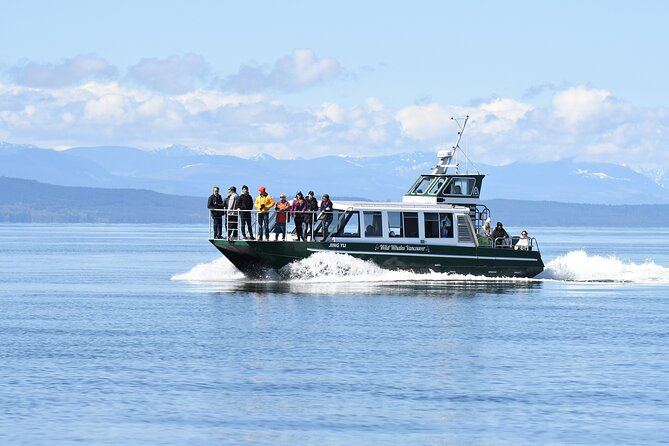
A whale watching trip is equal parts sighting and stamina. If you’re stuck on an uncomfortable ride, the whales become secondary. This tour helps you stay functional with a few practical touches.
For comfort, there’s a restroom on board, which sounds basic until you’re three hours into a choppy afternoon and you’re grateful you don’t have to choose between watching and searching for a washroom. The operator also provides extra sunscreen and water if necessary, but they encourage you to bring your own reusable bottle. That’s smart advice in Vancouver, where the sun can show up even when the air feels cool.
What you should pack:
- A reusable water bottle
- A light jacket (even in decent weather)
- Sunscreen, since glare off the water is real
- A hat or sunglasses if you run hot in the sun
If you’re prone to motion sickness, take your usual precautions before you board. The listing doesn’t mention special equipment, so plan based on your own body, not on hope.
Granville Island Public Market: The 30-Minute Snack Reset
Before the water, you start near Granville Island at the historic Public Market area. The market stop is about 30 minutes and the admission ticket is free for that segment.
This isn’t a long wandering tour. It’s a “get your bearings and grab something” stop. That matters because whale watching can run long enough that you don’t want to arrive hungry and cranky. Also, a quick snack break helps everyone get their hands free for boarding and standing outside.
If you’ve never been to Granville Island, this is a solid first taste. It’s an easy place to buy something small—snacks, drinks, or treats you can stash and eat once you’re settled. Keep it simple: you’re not trying to carry a picnic you can’t enjoy.
Out on the Water: How the Crew Finds the Right Moment
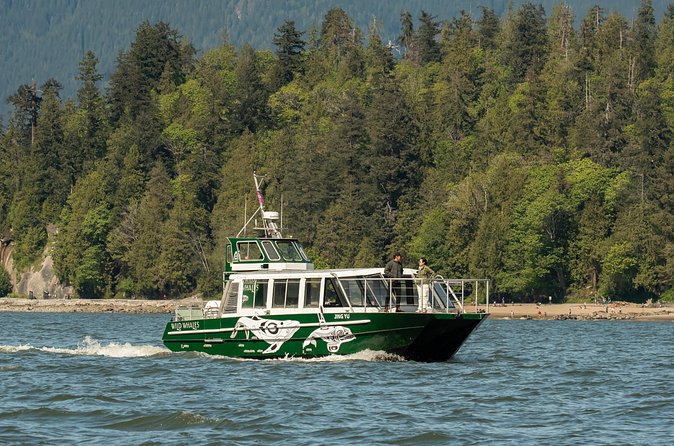
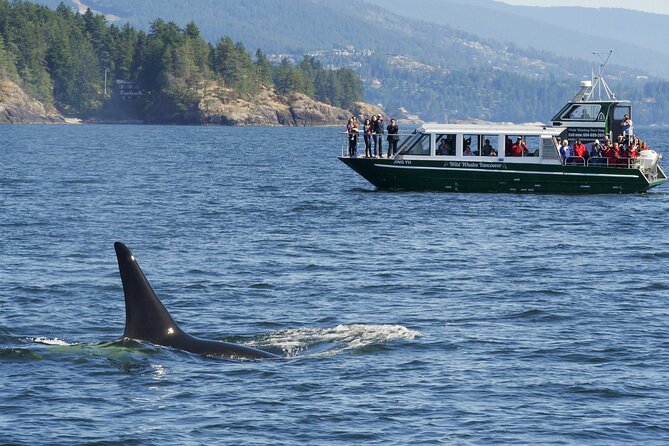
Once you’re aboard, the goal becomes simple: find whales and stay on them long enough to see behavior, not just spouts. The crew’s approach matters here.
Across multiple accounts, the theme is active locating. The captain communicates with other local whale-watching boats to learn where whales have been sighted. Then the boat adjusts to reach those areas. In plain language, it reduces the chances that you’ll spend your time circling the same patch of water with nothing but spray and hope.
This also explains why sightings can include more than one type of whale in a single outing. When the captain is coordinating location information, it’s easier to make the trip work even if the first area doesn’t deliver.
You’ll also have wildlife interpretation onboard. The guides include people like Julia (described as the wildlife expert) plus other crew members referenced by name such as Britt and Nicole. That interpretation is the difference between seeing a whale as a moving dot and actually understanding what the animal is doing—especially when the action gets fast.
You’re looking for behavior cues:
- Fin slapping (a loud, visible sign of activity)
- Breaching (when whales come up higher than expected)
- Fluking (the tail slap you see after a dive)
- The rhythm of surfacing and dive patterns
The best part is when those behaviors start happening in sequence. That’s when the trip stops being a wildlife “sighting” and turns into a real show.
What You Might See: Humpbacks, Orcas, and Sea Lions
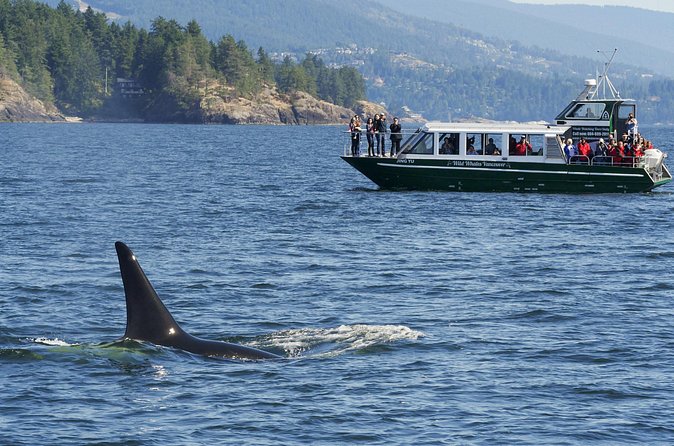
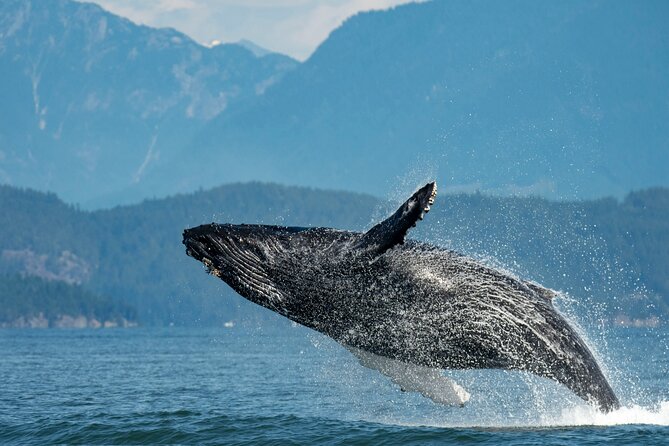
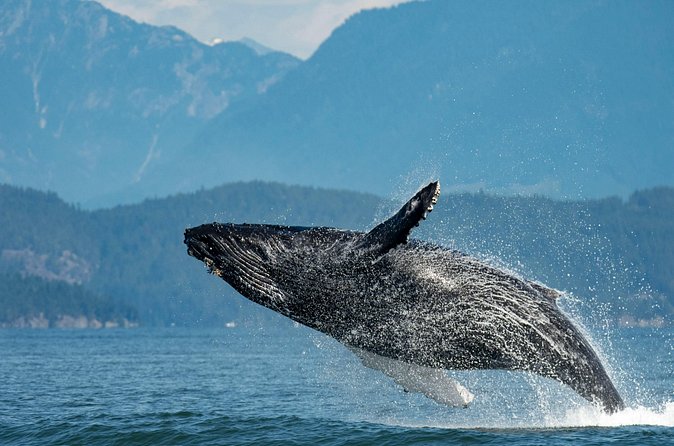
The most common draw here is humpback whales, and the chance of seeing multiple pods is real. Some outings include a lot of classic humpback behavior—things like repeated breaching and fin slapping—so you get more than a quick glimpse before the animal moves on.
A standout possibility is orcas. Not every trip will deliver them, but when it happens, it’s often because the captain has enough communication information from other boats to reach an area with an orca pod. One theme that shows up strongly is that seeing humpbacks and orcas in the same afternoon can feel like a “twice in one trip” situation.
You might also see other marine life. One account mentions a sea lion nursing its mom, which is the kind of small, personal behavior that makes the whole experience feel more grounded than just “big animals in the distance.”
Important note: whale watching always has an element of uncertainty. Even the best crews can’t force whales to surface. The advantage of this tour is that the crew is working the problem during the trip, not after it.



Timing and Group Size: What a 3 to 5 Hour Trip Feels Like
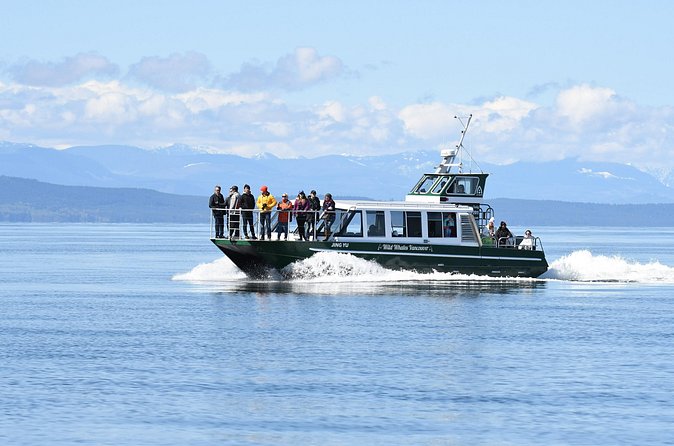
The duration is listed as 3 to 5 hours. That range is normal for whale watching, since nature doesn’t read schedules. What you should expect is a concentrated outing where the crew spends time locating whales and then enough time to watch behavior.
With a maximum of 32 travelers, the trip tends to feel manageable. Larger boats can become a standing crowd where the only view is the top of someone’s hat. Here, you’ll likely find it easier to rotate your position as sightings change.
Also, you’re not stuck with a long, confusing itinerary. The structure is clear:
- A quick market stop on land (about 30 minutes)
- Then the main whale watching time on the water
- Back to the same meeting point at the end
That simplicity is underrated. It helps you plan your afternoon and reduces the mental load.
Price and Value: Is $169.34 a Good Deal?
At $169.34 per person, this isn’t a “cheap and cheerful” activity. But it also isn’t priced like an ultra-luxury private charter. The value comes down to what you’re buying:
- A small group (up to 32) that improves viewing comfort
- A crew that actively seeks whales using communication with other local boats
- Real wildlife interpretation, including behavior and migration context
- A built-in on-land stop so you’re not scrambling for food before boarding
- Practical comfort elements like a restroom onboard and provision of extra sunscreen/water if needed
If you’re the type of traveler who wants a higher chance of meaningful sightings (not just a distant splash), this price can make sense. Whale watching in the Vancouver area is expensive because you’re paying for time on the water, experienced crew, and operational costs that don’t scale down much.
If you’re trying to do this as a budget-only activity, you might pick a cheaper option. But if you care about the difference between seeing a whale and understanding the whale, this level of guide support is where the money goes.
Where You Start: The Meeting Point and Getting Ready
The meeting point is 1806 Mast Tower Ln, Vancouver, BC V6H 4B6. That’s where you’ll begin and where the tour ends.
A few practical tips:
- Arrive a bit early so you can find the right spot without rushing
- Bring your confirmation as a mobile ticket
- Dress for wind and spray, not just for sun
- Keep your daypack light so you’re not juggling bags while you stand and watch
The tour is near public transportation, which is helpful if you don’t want to deal with parking. It’s also listed as most travelers can participate, but “most” still means you should judge based on your comfort with being outdoors and on a boat for several hours.
Who Should Book This Tour
This is a great fit if you:
- Want a small-group whale watching experience
- Care about learning what you’re seeing, not just taking photos
- Prefer a crew that actively works the route to improve sightings
- Want a trip that can include standout behavior like fin slapping and breaching
It may be less ideal if you:
- Have very tight schedule constraints (the trip duration can vary)
- Are strongly sensitive to changing weather on the water
- Expect guarantees of orcas or any specific whale species (nobody can guarantee that)
Should You Book This Tour?
Yes, if you want one of the best styles of Vancouver whale watching: smaller group size, active spotting help, and clear wildlife explanations. The chance of humpbacks is strong, and the possibility of orcas depends on what the crew can locate during your time window. Add in the Granville Island market stop and the practical comfort touches, and it’s easy to see why the rating is so high.
If you’re flexible and you’re willing to dress for variable West Coast conditions, this is the kind of trip that feels like it delivers a real story, not just a random animal appearance.
FAQ
How long is the whale watching experience?
It runs for about 3 to 5 hours.
Where does the tour meet?
You meet at 1806 Mast Tower Ln, Vancouver, BC V6H 4B6, Canada, and the tour ends back at the meeting point.
Is there a stop at Granville Island Public Market?
Yes. There’s a 30-minute stop near the historic Granville Island Public Market, and admission for that stop is free.
Do I need to bring sunscreen and water?
They encourage you to bring your own reusable water bottle. They can provide extra sunscreen and water if necessary, but it’s best to be prepared.
Is there a restroom on board?
Yes, there is a restroom on board.
What is the maximum group size?
The tour has a maximum of 32 travelers.
What language is the tour offered in?
The experience is offered in English.
What happens if the trip is canceled due to poor weather?
If it’s canceled because of poor weather, you’ll be offered a different date or a full refund.
When will I receive confirmation after booking?
You’ll receive confirmation within 48 hours of booking, subject to availability.