REVIEW · VANCOUVER
Vancouver’s Intimate West Coast Whale Watching Experience
Book on Viator →Operated by Wild Whales Vancouver · Bookable on Viator
The Salish Sea can turn a normal outing into whale magic. This small-group tour sets you out from Granville Island with a marine biologist–style guide who points out what you’re seeing and what it means, while the crew hunts for orcas, humpbacks, seals, sea lions, and sea birds. I love the chance to ask questions in a group that stays under 12 people, and I really like that the itinerary is flexible so you spend time where the wildlife actually is. The main drawback to plan for is simple: whales are wild. If conditions keep you moving or the animals don’t show, your highlight moments depend on luck and sea conditions.
Even the “scenic transit” has value here. As you move past Vancouver’s coast—think Stanley Park, English Bay, False Creek, and downtown—you’re not stuck staring at one view for hours. You’ll also want to dress for spray and wind, because a few people note the ride can be wet, especially if you sit toward the back.
In This Review
- Quick Hits Before You Go
- Why This Small-Group Whale Watch Works So Well from Granville Island
- Getting Onboard: Plan for Early Meeting, Real Weather, and Wet Spots
- Cruising the Coast: Stanley Park, English Bay, False Creek, and Downtown Views
- What You’re Really Looking For: Orcas, Humpbacks, and More in the Salish Sea
- How the Guide Makes the Difference: Marine Biology, Real Explanations, and Q&A Time
- Onboard Comfort and Gear: Toilets, Sunscreen, Water, and Weather Clothing
- The Time on the Water: Flexible Hours That Actually Help You Spot Whales
- Granville Island After the Hunt: Public Market and Kids Market Stops
- Price and Value: Is $177.59 a Good Deal for Vancouver Whale Watching?
- Who This Tour Fits Best (and Who Should Rethink It)
- Should You Book This Vancouver Orca and Humpback Tour?
- FAQ
- How long is the whale watching tour in Vancouver?
- Where is the meeting point?
- How early should I arrive?
- What’s included on board?
- Is lunch included?
- What if the tour can’t find whales?
- What are the group size limits?
- Are there any height or health restrictions?
- What happens if weather or sea conditions are poor?
Quick Hits Before You Go
- Max 12 people means you actually get face time with the guide and better views without crowd pressure.
- Flexible timing (3–5 hours) keeps the tour efficient: if whales are out there, you go find them.
- Marine biologist background on board turns sightings into a mini lesson, with guide names like Julia, Yaz, Sarah, and Honour showing up in the crew.
- Onboard sunscreen, water, and toilets make it easier to focus on wildlife instead of logistics.
- You might get full-body suits on cooler days, and at least one guest found them lifesaving once wind and spray hit.
Why This Small-Group Whale Watch Works So Well from Granville Island
This tour’s biggest strength is that it doesn’t feel like cattle-carrying. With a maximum of 12 travelers, the guide can slow down, explain, and answer questions without repeating themselves for dozens of people. That matters most when you’re trying to spot orcas at a distance or figure out why one whale is circling while another feeds.
Starting at Granville Island is also smart. It’s central, easy to reach by transit, and it sets the tone: this is a working Vancouver waterfront, not a distant dock in the middle of nowhere. When you finish back at Granville Island, you’re close to food and browsing, so the day doesn’t end abruptly.
Finally, the marine-life focus is practical. You’re not just chasing icons like orcas; the guide helps you track the whole ecosystem—seals, sea lions, porpoises, and sea birds—so even a quieter whale day still feels like a real nature outing.
You can also read our reviews of more whale watching tours in Vancouver

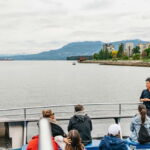
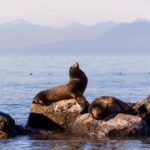
Getting Onboard: Plan for Early Meeting, Real Weather, and Wet Spots
Meet about 45 minutes before your departure time. That may sound like a lot, but it’s usually what keeps the day smooth once everyone’s checking in, getting situated, and preparing for sea conditions.
From there, you board and get a briefing on how the search usually works. The timing depends on sightings—so your schedule stays flexible—but your day itself is still structured: cruise out, scan and listen for activity, pause when the wildlife shows, and then head back when the tour’s whale-chasing goals are met.
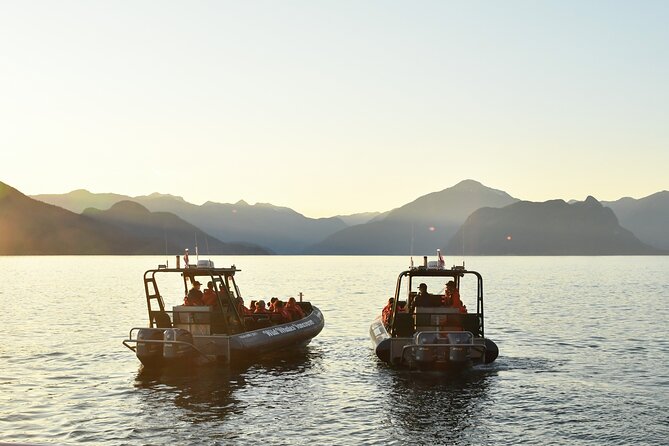
Dress like you’ll get hit with wind and spray. People call out that the zodiac/open-water experience can get choppy, and if you sit in the back, you may get very wet. You’ll likely want layers, a hat or hood, and anything that helps you handle cold air moving across wet fabric. Sunscreen is provided, and bottled water is available onboard, but bringing a reusable bottle can still help you stay comfortable.
Also note the limits that affect comfort and safety:
- Height restriction: 5 ft / 152 cm
- Not recommended for participants with back or neck problems
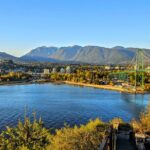
Cruising the Coast: Stanley Park, English Bay, False Creek, and Downtown Views
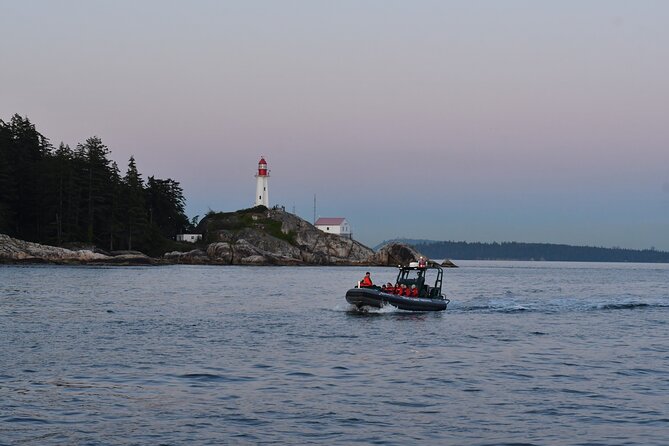
You’re not only heading to whale habitat. You’re also getting a rolling tour of Vancouver’s coastline, with the boat acting like a moving viewpoint.
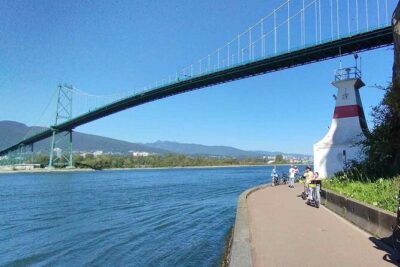
Passing Stanley Park is a useful start because it puts you in the right mindset: trees, water, and cliffs all at once. It’s the kind of scenery that makes you look up before you even see wildlife, and it helps you understand how close the city is to the water where marine animals travel.
Then you swing toward English Bay Beach. This stretch is all about openness and long sightlines, so it’s easier for the guide to point out what to watch for. If you’re the type who likes spotting birds and reading the water surface, this part is where you start training your eye.
False Creek and downtown add a different flavor: you see the city’s “edge,” not from a photo spot on land, but from the waterline itself. It’s a reminder that in Vancouver, marine life is part of the daily scenery, not just a distant attraction.
The trade-off is that these scenic passes are also affected by weather and sea spray. If it’s rough, your focus may shift from sightseeing details to staying warm and stable. Still, that’s part of the charm: this is an outdoor, working seascape.
What You’re Really Looking For: Orcas, Humpbacks, and More in the Salish Sea
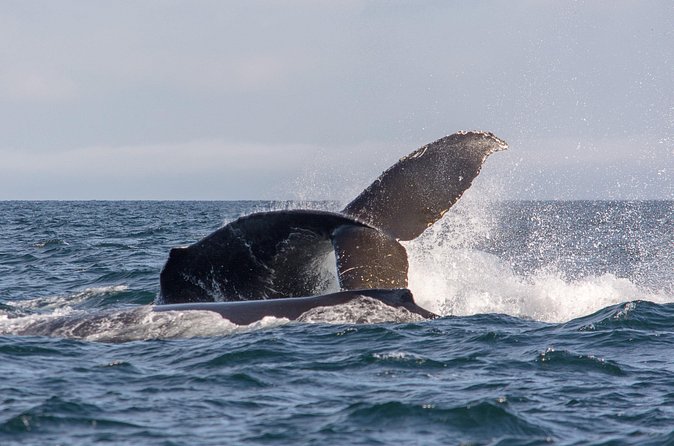
The headline targets are orcas and humpback whales, but the real joy is how often the day can include multiple species.
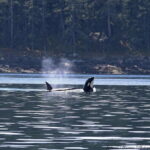
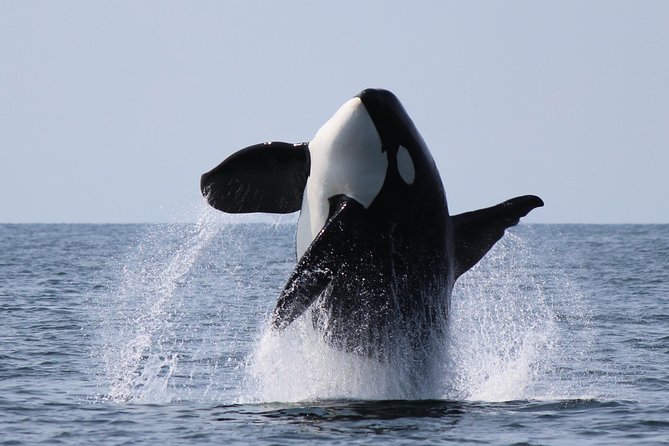
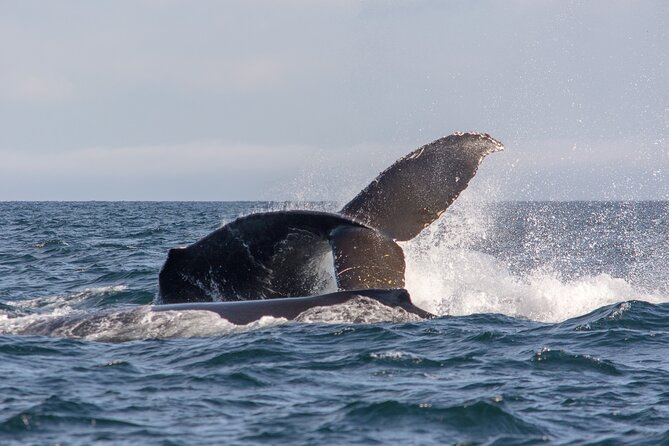
Orcas can show up as tight activity—surface breaks, sudden movement, quick changes in direction—so you’ll want your attention level high once the guide starts scanning. People also mention orcas jumping out of the water and breaching, which tends to be when the whole boat gets silent and then very animated.
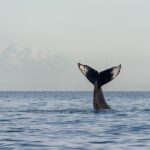
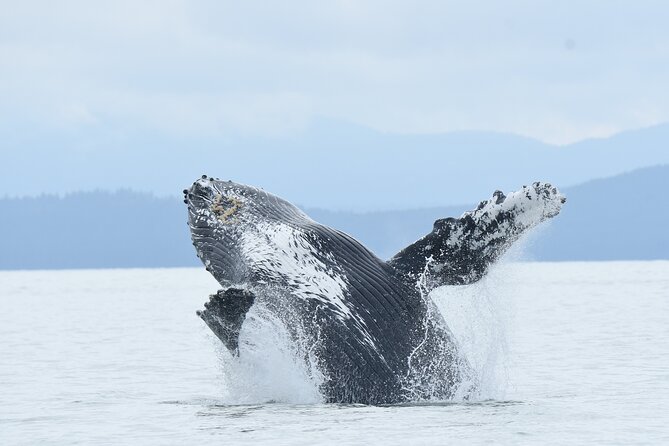
Humpbacks are often a different vibe: more lingering, more behavior you can observe in repeats. Guests describe humpbacks breaching multiple times and staying active in the area for long stretches. Once you spot one, the guide’s job becomes reading the behavior pattern—feeding, traveling, or social interaction.
Even when whale action is slower, you’re likely to see other life in the mix:
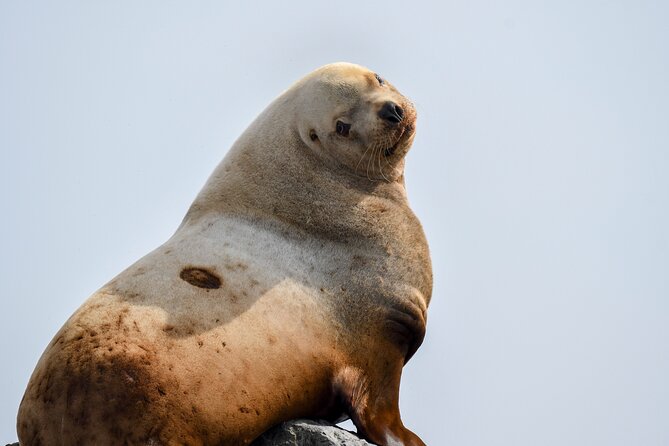
- Seals and sea lions (including sea lions on islands)
- Porpoises
- Sea birds
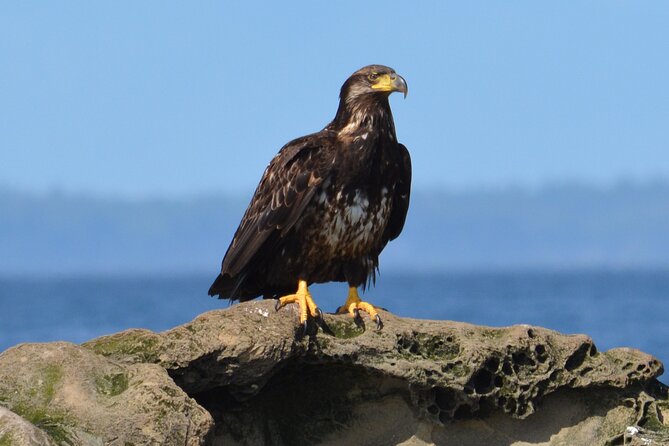
- Occasional extras like dolphins and even sightings people relate with bald eagles
Because timing depends on where animals are, the best mindset is flexible. If whales are far, you go where the whales are. If there’s only a brief window of activity, you spend that time well.
How the Guide Makes the Difference: Marine Biology, Real Explanations, and Q&A Time
One big reason people rate this tour so highly is the guide. This isn’t a “look over there” cruise. The guide has a marine biology background, and it shows in how they explain behavior and what you’re seeing.
Names you might meet or hear about include Julia, Yaz, Sarah, Hannah, Honour, and Rodrigo as captain. The common thread is communication: the guide will share fun facts while you search, then shift into “teaching mode” once something is spotted.
You should plan to ask questions. A few people specifically mention how much they appreciated the guide’s extra facts when they were interested and engaged. If you’re into animal behavior—why whales surface where they do, how seals coordinate, what different seabirds suggest—this kind of guide earns its time.
One practical note: distance from orcas is respected, which can affect how easy it is to see fine details. That’s where binoculars help. If you have them, bring them. Even if you do not, you’ll still get strong, broad viewing when wildlife comes closer.



Onboard Comfort and Gear: Toilets, Sunscreen, Water, and Weather Clothing
This tour includes practical comfort items:
- Toilets on all vessels
- Bottled water available onboard (reusable bottles encouraged)
- Sunscreen
- Crew-provided weather gear is hinted at in real-day experiences, including bright suits and full-body suits on colder or windier trips
You can’t control the ocean, but you can control what you bring. I recommend packing for two situations: warm sun at the dock and cold wind with spray once you’re moving. Even in mild temperatures, water air can feel sharp fast.
Also consider your seating. If you want to stay drier, you’ll likely be happiest choosing a spot that keeps you away from the wet angles of a zodiac ride. If you don’t mind getting splashed, you’ll still have a great chance at viewing both sides of the water.
The Time on the Water: Flexible Hours That Actually Help You Spot Whales
The tour runs about 5 hours on average, but actual time at sea is typically 3–5 hours depending on where whales are found. That flexibility is the point, not a shuffle.
Instead of locking you into a fixed route no matter what, the crew adjusts based on sightings. When whales are active nearby, you get more time watching behavior. When they’re farther out, you spend longer searching, which can feel like a longer ride even if you’re not constantly seeing whales.
If you’re planning your day in Vancouver, keep your schedule forgiving. Build buffer time around your tour start and after you return. One of the underrated benefits is how the return to Granville Island makes the rest of your day easy: you can shop, eat, and reset without stress.
Granville Island After the Hunt: Public Market and Kids Market Stops
When the action is done, you head back to Granville Island. That’s when the tour becomes more than wildlife watching—you get time for food and browsing in a familiar setting.
Granville Island Public Market is right there. You can peruse boutiques, grab something to eat, and treat the return as a decompression break. Lunch isn’t included, so having access to the market means you won’t be stuck searching for a meal right after you get off the boat.
There’s also a Kids Market stop included. If you’re traveling with children, that extra time on the island can turn the tour into a full-day family outing instead of a one-and-done boat trip.
The only drawback is what you already know: if wildlife sightings run long, you may arrive back closer to the tail end of your time on the island. Plan for that and you’ll feel good.
Price and Value: Is $177.59 a Good Deal for Vancouver Whale Watching?
At $177.59 per person, this isn’t the cheapest whale-watching option. But the value comes from what you’re buying: a small group, a guide with marine biology training, and time allocation that follows whale sightings.
Here’s how I’d judge the cost:
- Small group size (max 12) usually improves your experience, not just the vibe.
- Flexible timing increases your chances of meaningful whale time, because you’re not pretending the ocean will follow a spreadsheet.
- Included onboard basics (water, sunscreen, toilets) reduce the “hidden” cost of being out on the water.
Could you spend less on a big-boat tour? Yes, and you might even spot whales from farther out. But if your goal is to learn while you watch, ask questions, and avoid feeling swallowed by crowds, this price starts making sense.
Also, consider the refund/backup nature of wildlife tours. If you don’t find whales, your next trip is free (vouchers have no expiration date), which softens the risk. And if conditions are too rough, you’re not forced to gamble with a bad experience.
Who This Tour Fits Best (and Who Should Rethink It)
This is a great match if you:
- Want orcas and humpbacks plus other marine life
- Like guided interpretation, not just scanning the water
- Prefer a small group where questions are welcome
- Plan a day around nature and scenery, not rigid timing
It may not fit you as well if:
- You have back or neck problems, since this can be rougher than a calm harbor cruise
- You’re sensitive to getting wet, since seating location can affect how soaked you get
- You need a guaranteed whale guarantee, because wildlife sightings are always subject to luck
Height restriction (5 ft / 152 cm) also matters. If you’re close to that limit, check before you go so there aren’t surprises on the day.
Should You Book This Vancouver Orca and Humpback Tour?
I’d book this if you want a serious-but-friendly whale watch that treats you like a participant, not a spectator. The small group size, marine biology–style guide, and the way the schedule flexes based on what the ocean gives you are the big reasons to choose it.
Skip it only if you need guaranteed sightings or you’re not comfortable with cold spray and a boat ride that can be choppy. For most people, the trade-off is worth it: when the whales show, you get both the behavior and the context, and the day still ends in a fun place to eat and unwind.
FAQ
How long is the whale watching tour in Vancouver?
Most tours run about 3–5 hours depending on where whales are located, with an average total duration listed as about 5 hours.
Where is the meeting point?
You meet at 1806 Mast Tower Ln, Vancouver, BC V6H 4B6, Canada, and the tour ends back at the same meeting point.
How early should I arrive?
You should plan to meet about 45 minutes before the starting time.
What’s included on board?
Included items are a professional guide with marine biology background, onboard toilets, bottled water available, and sunscreen (with reusable bottles encouraged).
Is lunch included?
No. Lunch is not included, but food is available for purchase at Granville Island Public Market just outside the meeting point.
What if the tour can’t find whales?
If no whales are found, your next trip is free. Vouchers are non-transferable and have no expiration date.
What are the group size limits?
The maximum group size is 12 travelers.
Are there any height or health restrictions?
There is a height restriction of 5 ft / 152 cm. The tour is not recommended for participants with back or neck problems.
What happens if weather or sea conditions are poor?
This experience requires good weather. If it’s canceled due to poor weather, you’ll be offered a different date or a full refund.