REVIEW · VANCOUVER
Rockies Winter Premium Tour
Book on Viator →Operated by Discover Canada Tours · Bookable on Viator
Snowy Rockies, handled with less stress.
This five-day Canadian Rockies winter tour takes you from Vancouver to the heart of the mountains with 2 nights in Banff, plus hotel stops along the way. You get big winter scenery days, but the real win is the balance: guided highlights and built-in time to step off the bus, warm up, and actually enjoy the places.
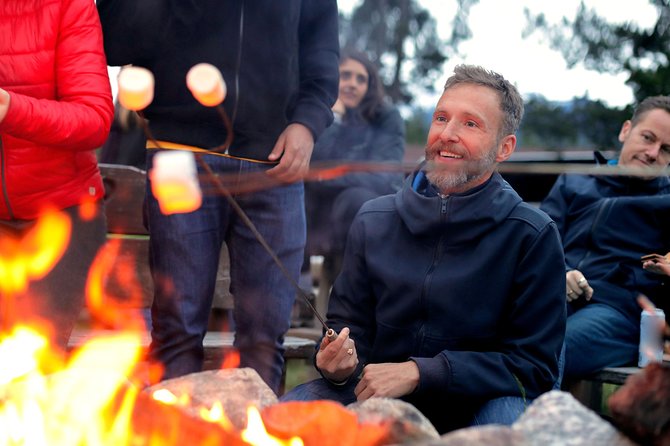
I love two parts most. First, the smaller-group deluxe mini-coach (up to 34) keeps the trip from feeling chaotic, and it’s designed for frequent stops and comfortable pacing. Second, the itinerary doesn’t just point at attractions—it includes an Indigenous campfire storytelling experience, where you’ll learn and roast marshmallows the s’mores way.
One drawback to keep in mind: several of the top winter add-ons are optional and cost extra, like Banff Gondola and winter activities at Lake Louise Ski Resort. If you’re budgeting tight, you’ll want to decide ahead of time what you’ll pay for on the spot.
In This Review
- Key things to know before you go
- Winter in the Rockies feels different for a reason
- Vancouver start: meeting point, timing, and how the day begins
- Deluxe mini-coach comfort: long days, fewer headaches
- Day 1: Vancouver to Kamloops via Coquihalla, Bridal Falls, and a wine stop
- Day 2: Mount Revelstoke snow peaks, Lake Louise, and Banff’s free time
- Day 3: Banff townsite tour, Bow Falls and Hoodoos, plus optional Gondola
- Day 4: Bow Valley wildlife drive, Emerald Lake (seasonal), and Rogers Pass
- Day 5: BC Wildlife Park and the return to Vancouver
- Price and value: what $1,411.92 buys you in winter
- Included meals, campfire night, and how the food fits the trip
- Comfort, timing, and winter readiness (what you should pack and plan for)
- Should you book this Rockies Winter Premium Tour?
- FAQ
- Where does the tour start and end?
- How big is the group?
- How long is the tour and how many nights are included?
- What parts of the trip are included versus not included?
- Are there any seasonal activities?
- Is this tour refundable?
Key things to know before you go
- Up to 34 people on a deluxe mini-coach: easier conversations, fewer delays at stops, and a more personal feel.
- A real Indigenous campfire night with a cultural talk and s’mores, not just a quick photo moment.
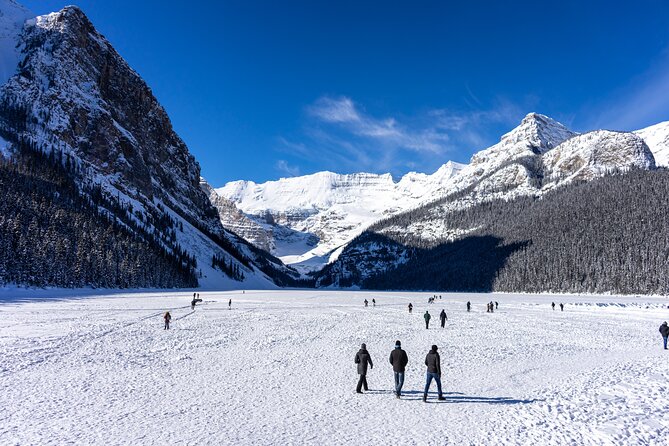
- Seasonal options: Lake Louise ice skating and Emerald Lake are timing-dependent, so winter weather and season matter.
- Optional paid extras: Banff Gondola and Lake Louise ski-area activities are not included.
- A long winter drive style: lots of scenic transit days with quick bursts of walking and sightseeing time.
Winter in the Rockies feels different for a reason
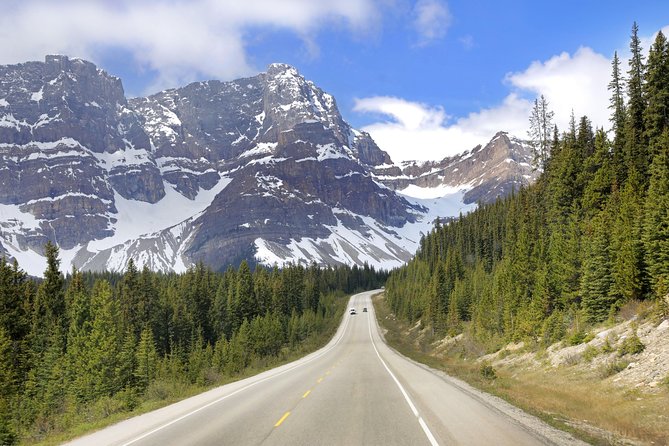
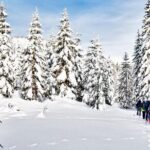
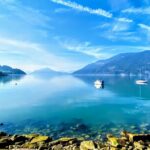
In winter, the Canadian Rockies stop being just scenic and start becoming atmosphere. Snow turns viewpoints into quiet stages. Frozen lakes and ice-covered trails make familiar spots look new, even when you’ve seen them in photos.
What makes this tour work well in winter is that it treats cold weather like part of the experience—not an obstacle. You’re moving between places daily, but you’re not stuck in a drive-thru routine. You’ll get time at scenic stops, options to add winter activities, and a schedule that gives you breathing room.
It also helps that the trip is guided. In winter, being able to understand what you’re looking at—mountain geography, valley history, and why certain routes matter—makes the views feel more “yours,” not just scenic wallpaper.
You can also read our reviews of more tours and experiences in Vancouver
Vancouver start: meeting point, timing, and how the day begins
You’ll start in Vancouver at the FlyOver Ticket Centre, located at 1010 Canada Pl. The tour ends back at the same meeting point after your return drive.
Timing matters on day one. The departure is set from Canada Place, with instructions to arrive by 7:45am, and the listed start time is 8:00am. In winter, I’d plan to be early—roads can slow down, and you’ll want time to park, find the group, and get settled before the coach pulls out.
Small-group tours like this also tend to run better when people stay organized. With up to 34 travelers, it’s usually easy to spot your group, and your guide can keep everyone informed without sounding like a megaphone.
Deluxe mini-coach comfort: long days, fewer headaches
This is a deluxe mini-coach format, and that’s a big part of the value. You’re not negotiating separate cars, you’re not trying to figure out winter parking in multiple towns, and you don’t lose half your day to logistics.
From what you can expect in practice, the pacing is built around real winter needs: time for bathroom breaks and time to grab coffee without sprinting across parking lots. Guides on this route have been praised for keeping the rhythm calm and not rushing people at stops.
Still, you should go in knowing this is a road trip through winter terrain. Days can include stretches of highway driving where you’ll want warm layers, a good window seat if you can grab one, and patience when conditions get slower.
Day 1: Vancouver to Kamloops via Coquihalla, Bridal Falls, and a wine stop
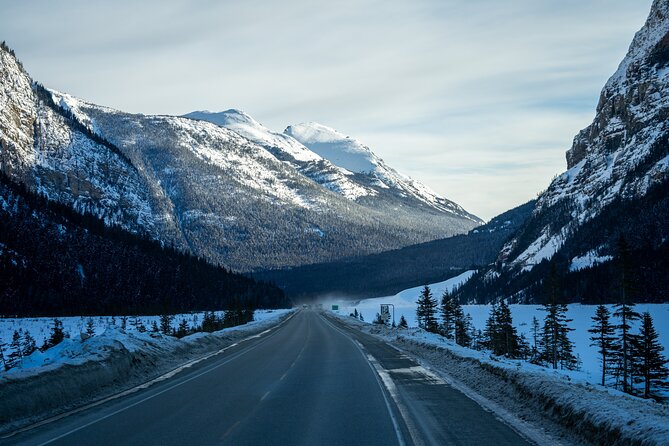
Day one is a “wake up and look around” day. You’ll leave Vancouver and start heading into winter country with a mix of scenic stops and culture.
Canada Place departure (Vancouver): You’ll start from a central, easy-to-find spot and then get moving quickly.
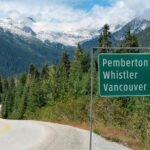
Coquihalla Highway: This is one of the highlights for transit day scenery. You’ll have time for stops along the way, including Bridal Falls and a stop connected to Canada’s only desert. That last one is the kind of odd fact that makes a winter highway feel less like a commute and more like a road trip.
Kamloops for lunch: You’ll have time in Kamloops for lunch (not included, but the stop exists so you’re not eating on the fly). This is where the tour’s structure helps: you’re not just stuck driving—there’s an actual pause to reset.
Okanagan Valley winery tasting: You’ll stop for wine tasting at a local winery, included in the price. Even if you’re not a wine person, this is a pleasant break from pure sightseeing. It adds a local touch, and it helps break up the long “snow view” stretch of the day.
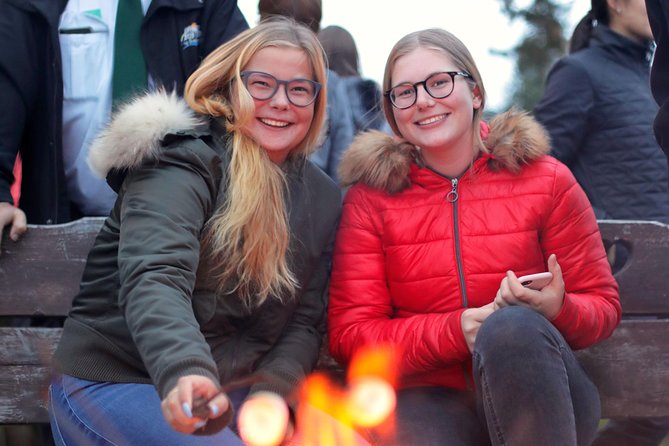
Kamloops hotel + group dinner + campfire talk: You’ll check in to your hotel in Kamloops, then enjoy a group dinner and an Indigenous cultural talk hosted around a campfire. The included s’mores setup makes this feel less like a lecture and more like a shared winter moment.
A practical note: it’s a packed first day. If you’re prone to motion sickness or fatigue in winter driving, pack accordingly.
Day 2: Mount Revelstoke snow peaks, Lake Louise, and Banff’s free time
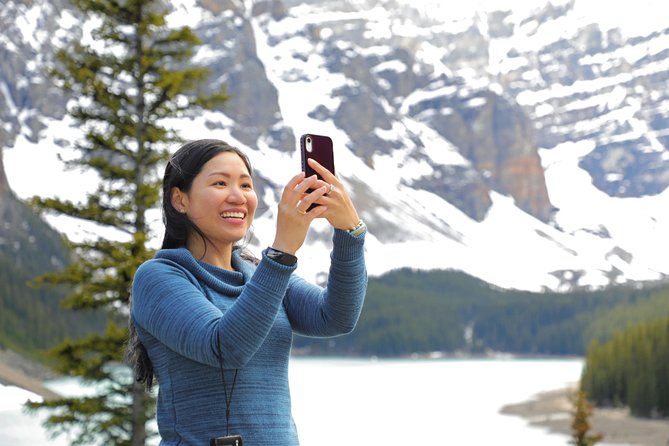
Day two keeps the scenery momentum. The focus shifts from “getting there” to “this is why you came.”
Mount Revelstoke National Park + Glacier National Park drive-through: You’ll spend time driving through snow-capped peaks and winter scenery in this national park route. Even from inside the coach, this is the kind of segment that makes the whole trip feel worth it early on.
Lake Louise exploration (ice skating option when seasonal): You’ll have time at Lake Louise and an option to go ice skating when the season allows. The tour gives you about an hour to explore, so you’ll want to dress for walking on cold ground and be ready for short, photo-friendly stops.
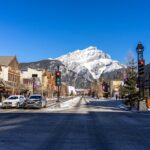
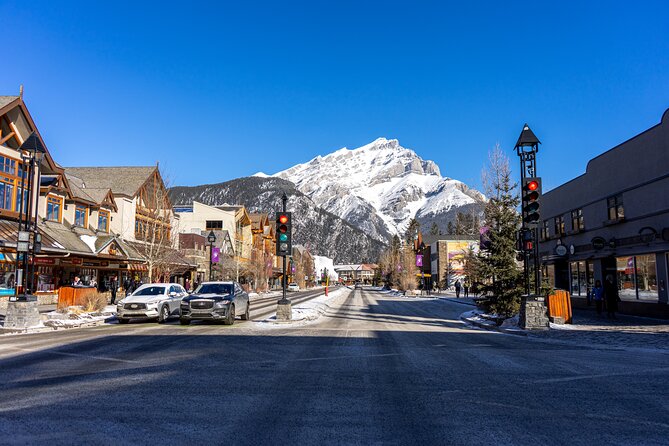
Banff hotel check-in + Banff Avenue free time: After Lake Louise, you’ll check into your Banff hotel and then get free time to explore the town—especially shopping on Banff Avenue and trying one of the many restaurants.
This is one of the best parts of the schedule if you like choosing your own pace. One hour in a winter town can feel like a lot—especially when you’re not stuck with a fixed activity and can warm up where you want.

Day 3: Banff townsite tour, Bow Falls and Hoodoos, plus optional Gondola
Day three is where Banff becomes more than a hotel base. It’s a guided look at the town’s key winter landmarks, followed by options.
Banff driving tour: After breakfast, you’ll enjoy a guided drive through the Banff townsite, with stops and viewpoints tied to places like Bow Falls, the HooDoos, and the Banff Springs Hotel. This is a fast way to build your bearings in a town you’ll want to revisit later on your own.
Banff Gondola (additional cost): You’ll also have the option to take the Banff Gondola, but it’s not included. If you’re the type who likes big panoramic views and don’t want to rely only on ground-level viewpoints, this is the most straightforward paid add-on on this day.
Banff National Park option: winter activity or free time: The tour then offers two paths. You can join an exciting winter activity like snowshoeing, ice walking, or skiing/snowboarding at Lake Louise Ski Resort (all additional cost). If you skip the activity, you still get a free chunk of time in Banff.
My suggestion: think about what you actually want your winter day to feel like. If you want an active, structured experience, pay for one guided winter activity. If you prefer wandering and photos, take the free time and choose your own warmth strategy in town.
Day 4: Bow Valley wildlife drive, Emerald Lake (seasonal), and Rogers Pass
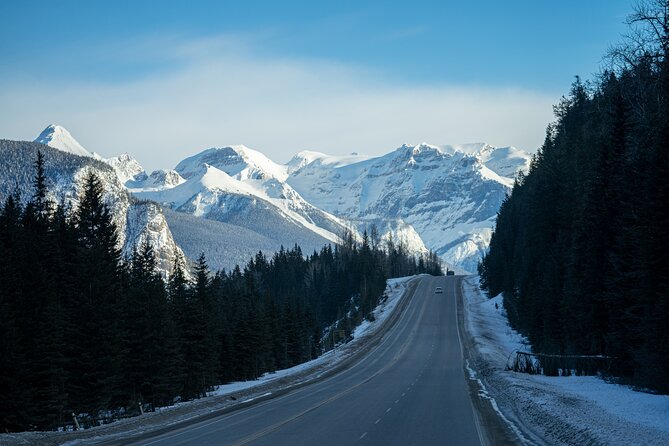
Day four is a “variety pack” day: wildlife chances, iconic lake views, and railway-era history. It’s a good day for people who don’t just want one type of scenery.
Bow Valley Parkway scenic drive: You’ll get a scenic drive along Bow Valley Parkway, with chances to spot wildlife. Winter wildlife sightings aren’t guaranteed, but the route is chosen for what it can offer, and it’s a nice shift from the “big national park driving” feeling.
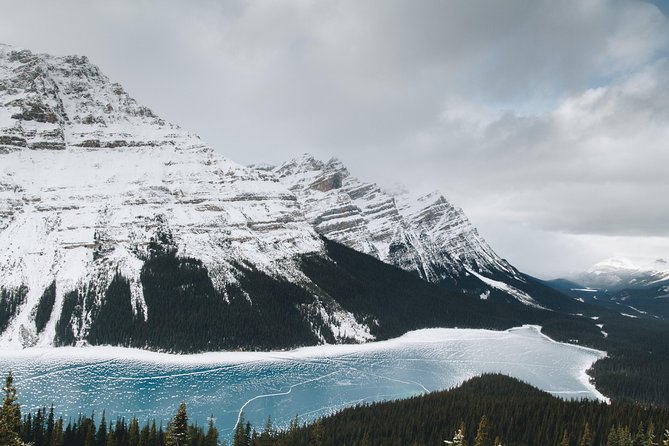
Emerald Lake (seasonal, included): You’ll stop at Emerald Lake, listed as 30 minutes and included. Since it’s seasonal, you’ll want to treat this as a “when conditions allow” highlight. Even short time at a snowy lake changes your whole sense of scale in the mountains.
Rogers Pass National Historic Site: Next is Rogers Pass, a quick 20-minute visit. It’s brief, but it gives you context about the kind of mountain travel that shaped this region.
Craigellachie: the last spike: You’ll stop at Craigellachie, specifically tied to the last spike of the Canadian Pacific Railway. Again, it’s short, but history stops like this help explain how these rail corridors made the Rockies accessible in the first place.
Salmon Arm hotel + lakeside boardwalk time: You’ll check into your hotel in Salmon Arm and then get free time for a lakeside boardwalk walk. Dinner is flexible—there are options including a popular restaurant located in your hotel.
This is where the trip stays comfortable. You’re not ending the day with another long activity. You get time to stretch your legs, even if the winter air makes you walk fast.
Day 5: BC Wildlife Park and the return to Vancouver
On your final day, you’ll start with breakfast in the hotel, then head out for one included activity.
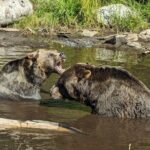
BC Wildlife Park (included): You’ll visit the BC Wildlife Park with admission included and about one hour there. It’s a practical way to close the trip without needing to chase mountain conditions on your last morning. If you want to see more animal-focused content without a major hike, this is a strong fit.
Return drive to Vancouver: After that, you’ll make the drive back with sightseeing stops, returning to Vancouver around 6:30pm. The tour ends back at the original meeting point.
A small reality check: by day five, you’ll likely feel the cumulative effect of winter schedules and driving time. That’s normal. The good news is the final day is built around a clear, contained activity before the return.
Price and value: what $1,411.92 buys you in winter
At $1,411.92 per person for about 5 days, this isn’t a budget add-on. So the question isn’t just cost—it’s what you’re buying with that money.
What you’re getting for the price includes:
- 4 nights of hotel accommodation
- Deluxe mini-coach transportation
- Daily sightseeing coordination with scheduled stops and time on-site
- Wine tasting
- Admission to BC Wildlife Park
- Emerald Lake included (seasonal)
- Campfire dinner with s’mores plus a group dinner
- An experienced guide and all fees and taxes
- Breakfast is listed as optional (4), meaning at least some breakfasts are covered depending on how the package is structured
What’s not included:
- Other meals besides included dinners (you’ll cover lunches and some breakfasts based on what’s listed)
- Banff Gondola (additional cost)
- Lake Louise Ski Resort winter activities (additional cost)
- Other winter activity choices where ticketed
So the value equation is simple: if you want a guided winter road trip with multiple included admissions and you’re open to one optional paid activity, this price can make sense. If you plan to skip the paid add-ons and you don’t drink the wine tasting, it becomes easier to feel the cost—because you’re paying mainly for transportation and coordination.
Included meals, campfire night, and how the food fits the trip
Food on this tour is handled in a “mostly taken care of” way, not a “every meal is fancy” way.
- You’ll have dinner included, including a group dinner on day one in Kamloops.
- You’ll also get the campfire experience—roasting marshmallows and making s’mores as part of the night’s Indigenous cultural talk.
- Other meals aren’t included, so you’ll have to budget for lunch and the meals not listed.
This matters because winter days can make you hungry fast, and restaurants can be crowded. The included dinners reduce that stress. The lunches and free-town dinners let you choose what fits your tastes and your schedule.
Comfort, timing, and winter readiness (what you should pack and plan for)
The tour’s greatest strength is that it gives you structure without turning every minute into a deadline. But winter still demands basic readiness.
I’d plan for:
- Warm layers you can add or remove while moving in and out of heated areas
- Comfortable boots or shoes for snow or icy ground at viewpoints
- A jacket that blocks wind, not just cold air
- A small day bag for a water bottle, snacks, and your cold-weather essentials
The mini-coach format also means you’ll spend a lot of time seated while traveling. That’s fine, but bring small habits: stretch during stops, use restroom breaks when they’re available, and keep your phone charged so you’re not stuck hunting for a view through a dead battery.
Should you book this Rockies Winter Premium Tour?
Book it if you want a guided winter Rockies trip that mixes major sights with enough free time to make it feel personal—especially if you care about the Indigenous cultural campfire experience and you like having admissions taken care of.
Skip or reconsider if:
- You hate long road days and prefer a slower, purely local itinerary.
- You’re unlikely to pay for any optional winter add-ons, and you’d rather spend your money on activities you choose independently.
- You’re sensitive to weather-driven schedule changes—winter travel can run different from summer.
If you fall somewhere in the middle, this tour is a solid option. It’s built for winter: fewer logistics headaches, a calm group size, and a schedule that gives you more than one kind of mountain day.
FAQ
Where does the tour start and end?
The tour starts at the FlyOver Ticket Centre at 1010 Canada Pl, Vancouver, BC. It ends back at the same meeting point after the return drive from Salmon Arm.
How big is the group?
The tour has a maximum of 34 travelers.
How long is the tour and how many nights are included?
The tour is about 5 days and includes 4 nights of hotel accommodation, including 2 nights in Banff.
What parts of the trip are included versus not included?
Included items include mini-coach transportation, wine tasting, admission to BC Wildlife Park, Emerald Lake (seasonal), dinner (including the campfire s’mores night), and traditional campfire cultural storytelling. Not included: other meals, Banff Gondola, and winter activities at Lake Louise Ski Resort.
Are there any seasonal activities?
Yes. Lake Louise has an ice skating option when seasonal conditions allow. Emerald Lake is also listed as seasonal.
Is this tour refundable?
No. This experience is non-refundable and cannot be changed for any reason.