REVIEW · VANCOUVER
Vancouver: Waterfront Sightseeing Tour – City and Waterfall
Book on GetYourGuide →Operated by PRINCE OF WHALES · Bookable on GetYourGuide
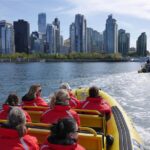
Vancouver hits different at 30 mph on water. You get a close sweep of the harbour skyline and Stanley Park from a rigid inflatable boat, with fast stretches that make the Port of Vancouver and West Vancouver feel real, not postcard. I love the combo of fast wildlife chances and an easy, guided way to see the city’s water side, and I also liked how the ride stays lively without feeling rushed. The main drawback is the spray and wind, so dressing for cold water air matters.
For this trip, you’ll meet at Prince of Whales Adventure Centre on Granville Island, then step into a tour that mixes big viewpoints with stories from the guide. On my trips, guides like Thomas and Jake stood out for their calm competence and solid local background. You also get a Free Photo Package, which helps if you want the skyline shots without juggling your camera in the wind.
In This Review
- Key highlights worth knowing before you go
- Why this Vancouver waterfront tour beats a bus (and still feels practical)
- Meeting on Granville Island and what to bring for a cold-water ride
- Siwash Rock to Coal Harbour: getting the city rhythm from the water
- The Port of Vancouver viewpoint: where the skyline meets industry
- Deep Cove and Buntzen Powerhouse: the route turns from city to scenery
- Say Nuth Khaw Yum Provincial Park and Silver Falls: chasing waterfall spray
- Indian Arm and the fjord feel: where the scenery stretches out
- Second Narrows Rail Bridge: the last big shot before you head back
- Guides like Thomas and Jake: what makes the commentary worth it
- Price and value: is $130 worth a 3-hour speedboat?
- Who this tour suits best (and who should skip it)
- Should you book this Vancouver Waterfront Speedboat and Waterfalls tour?
- FAQ
- How long is the Vancouver Waterfront Sightseeing Tour – City and Waterfall?
- Where do I meet the tour?
- What’s included in the price?
- What should I bring?
- Are there age or height limits?
- Who should not take this tour?
Key highlights worth knowing before you go
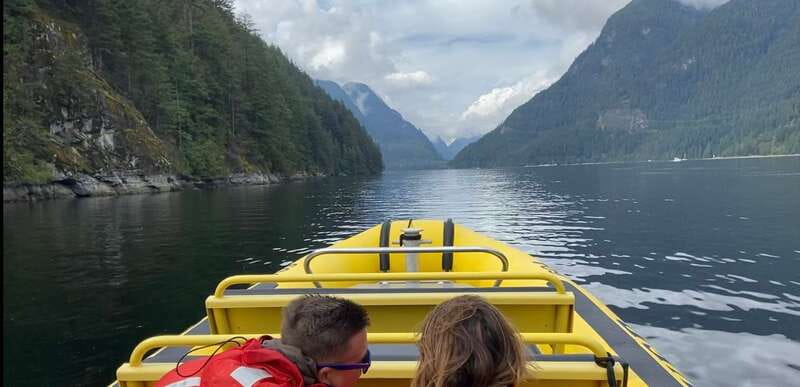
- Rigid inflatable boat speed: Up to 30 mph for sharp sightlines and real “you’re moving” momentum
- Stanley Park and the Lions Gate area: Harbour views that feel closer than any waterfront sidewalk
- Say Nuth Khaw Yum Provincial Park: Scenic water-and-forest cruising with waterfall scenery
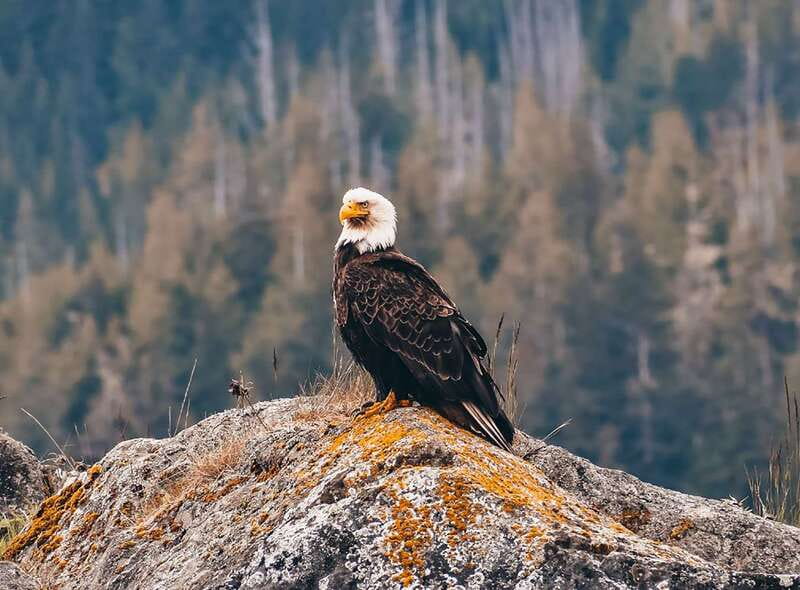
- Wildlife spotting: Harbor seals and bald eagles are part of the odds
- Wind-and-spray reality: Bring warm layers so the boat mist doesn’t ruin the fun
- Photo package included: A practical bonus for skyline and waterfall moments
Why this Vancouver waterfront tour beats a bus (and still feels practical)
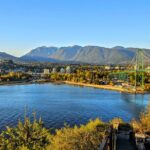
If you’ve done the usual Vancouver loop by land, you already know the city looks good. What this tour adds is speed plus angles. From the water, you see Vancouver Harbour, the city skyline, and Stanley Park in one continuous ribbon, not a series of disconnected stops.
The boat itself matters. A rigid inflatable boat is made for moving across water confidently, and you’ll feel that in the way the route opens up—Coal Harbour to the Port side, then toward the North Shore views. It’s the kind of outing where you can watch for wildlife one minute and zoom past a landmark the next.
The other thing I like is the pacing. Three hours is long enough to get variety, but not so long that you’re counting minutes in wet clothes. You’ll be out there for views and stories, not trapped in a long slog.
You can also read our reviews of more city tours in Vancouver
- Vancouver City Sightseeing Tour: Capilano Suspension Bridge & Vancouver Lookout
★ 5.0 · 1,556 reviews
Meeting on Granville Island and what to bring for a cold-water ride
You start at 1666 Duranleau Street, at Prince of Whales Adventure Centre on Granville Island. Check in 30 minutes early, because the boat is not held for late passengers. Also note: there’s no hotel pickup or drop-off, so plan to get yourself to the meeting point on time.
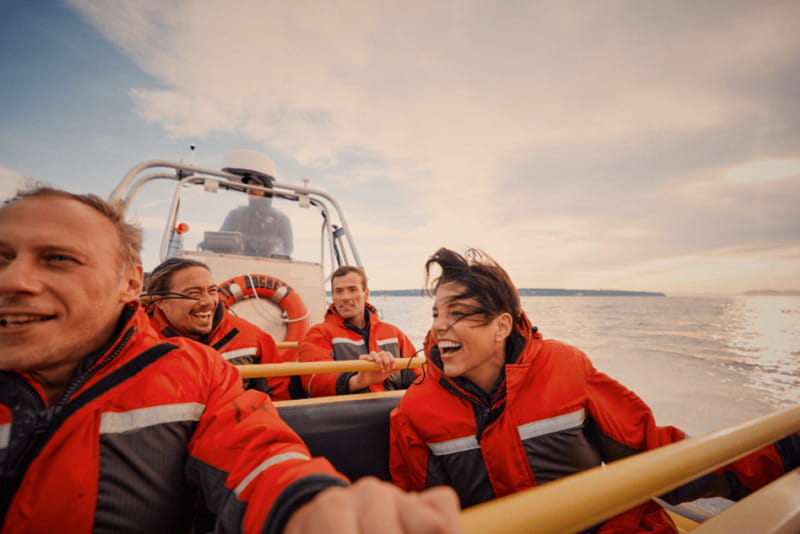
The tour runs about 3 hours, and the ride can get bumpy enough to matter for comfort. Bring warm clothing, and think layers, not just a single jacket. A windproof layer helps, because spray and cold air mix fast out on the water.
There are a few important “know before you go” rules that can shape whether it’s a good fit. The minimum height is 4 feet (1.2 meters), and it’s not recommended for people with back problems, heart complaints, or other serious medical conditions. It’s also not suitable for children under 7, and pregnant women aren’t recommended for this experience.
Siwash Rock to Coal Harbour: getting the city rhythm from the water
The ride opens with stops that give you orientation fast. You’ll start with Siwash Rock, a rock formation that’s easy to spot from the water and helps set the mood for the rest of the shoreline views. From there, you head toward Coal Harbour, where the skyline feels close and the water traffic context clicks into place.
Coal Harbour is one of those spots where Vancouver’s identity shows up immediately: working port energy, high-rises, and waterfront walkways all in the same frame. From a boat, it also becomes easier to understand where landmarks sit relative to each other, like which stretches of shore are protected and which ones get more wind.
You’ll also pass key sights while your guide fills in context. The route includes Iron Workers Memorial Bridge and other harbour landmarks, so the tour is doing more than showing views. It’s helping you connect the geography.
The Port of Vancouver viewpoint: where the skyline meets industry
The Port of Vancouver stop is a good change of pace. You’re not just chasing “pretty.” You’re seeing how Vancouver functions. Watching port activity from the water gives you a different kind of respect for the city—big vessels, industrial scale, and the way the harbour layout supports it.
This part of the tour pairs well with the speed of the ride. As you travel, you can see how the city’s waterfront shifts from urban edges to more working waterfront zones. It’s also a reminder that the city’s beauty doesn’t sit apart from its economy; it sits alongside it.
If you’re the type who likes photo angles, keep an eye on the horizon lines here. The skyline and port structures create strong layers, especially when the boat is moving.
Deep Cove and Buntzen Powerhouse: the route turns from city to scenery
After the central harbour views, the tour moves into more nature-leaning scenery, starting with Deep Cove. Deep Cove is a great “breathing moment” because the water changes character—less purely urban, more tucked-in coastal feel. It’s also a place where you might find yourself slowing down mentally, even though you’re still on a fast boat.
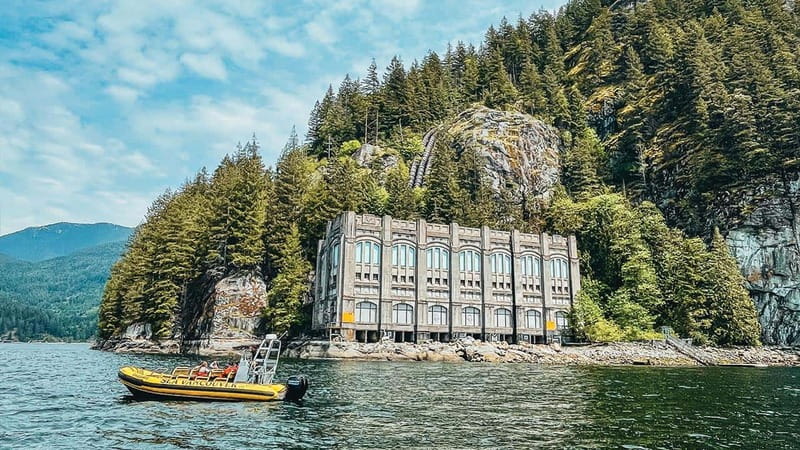
Next comes Buntzen Powerhouse 1, which adds an interesting angle to the trip. It’s a reminder that Vancouver’s coast isn’t just scenery; it’s also managed, engineered, and used. The guide’s commentary matters here, because it helps you connect what you see with how the region works.
Even if the visuals aren’t as immediately dramatic as Stanley Park, this is where the tour becomes more than a quick highlight reel. It turns into a route you understand.

Say Nuth Khaw Yum Provincial Park and Silver Falls: chasing waterfall spray
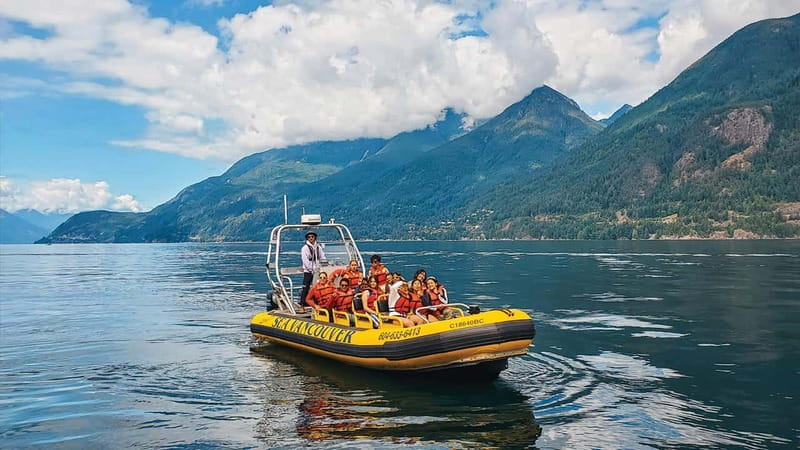
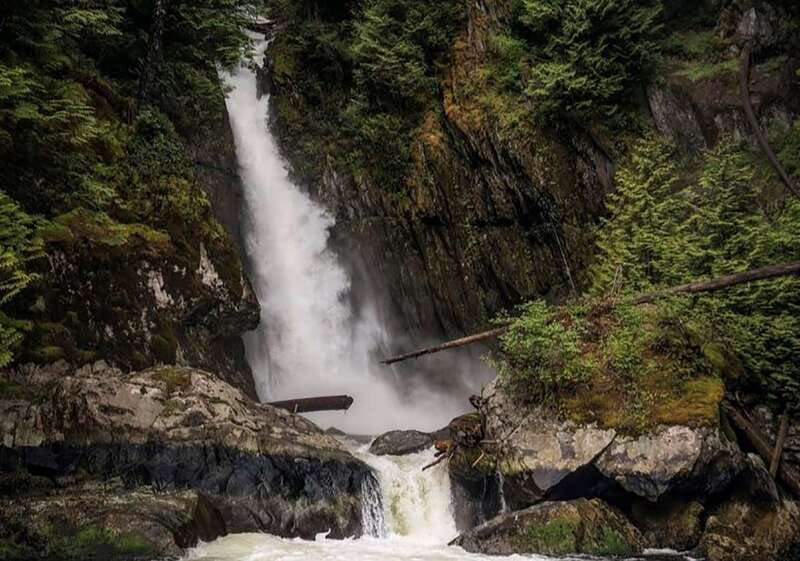
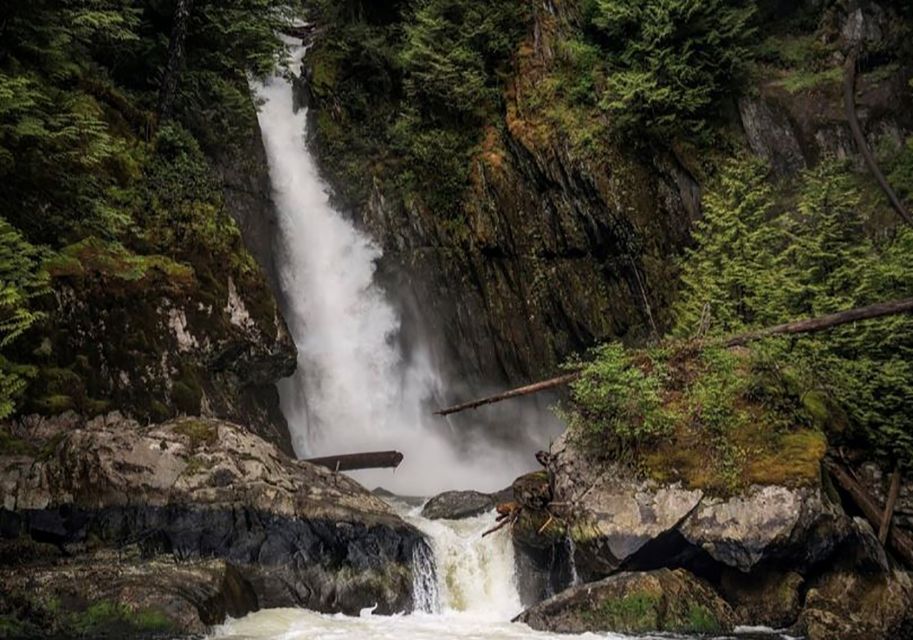
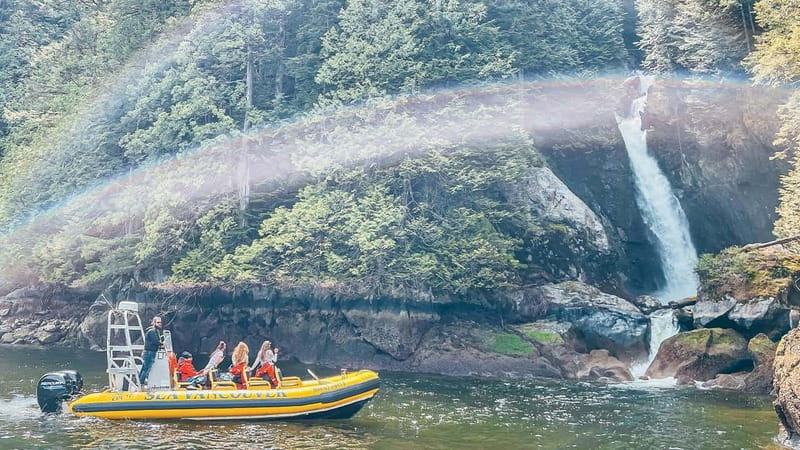
This is the heart of the “waterfall” promise. You’ll head to Say Nuth Khaw Yum Provincial Park, where the route sets you up for waterfall views while you cruise. The experience includes feeling water motion and spray while you pass picturesque falls, and it’s especially memorable when the water is moving well.
You’ll also get a specific stop at Silver Falls. In one real-world example from recent riders, the waterfall height can be lower depending on conditions, but it’s still pretty—more about the charm and setting than a towering roar in every season.
One more practical thing: when you’re near waterfalls on an open boat, “spray” becomes a physical experience. Plan on getting damp at least a bit. If you tend to feel cold quickly, treat this as a reason to wear a hoodie under a windproof layer.
Indian Arm and the fjord feel: where the scenery stretches out
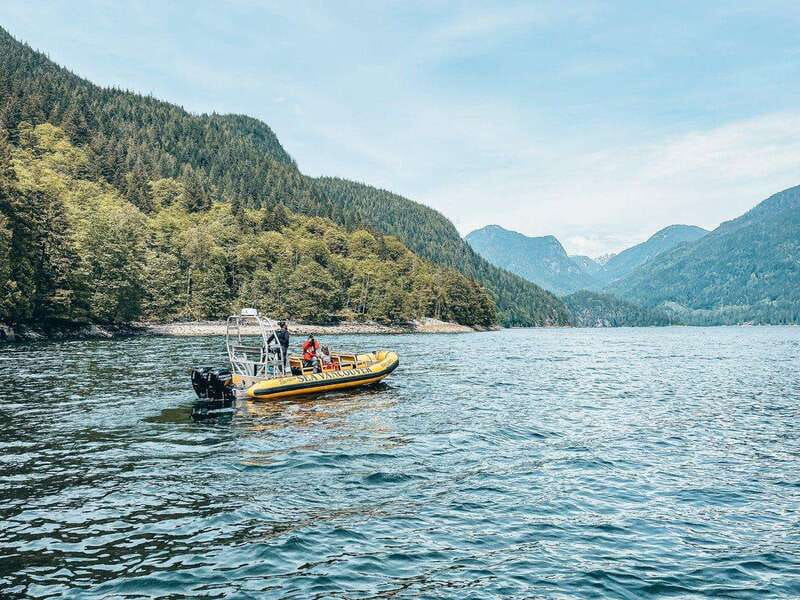
Indian Arm is where the tour earns its drama. This part of the ride is described as North America’s most southern fjord, and that idea shows up in how the waterway narrows and climbs visually along the surrounding slopes. Even when weather isn’t perfect, the shape of the arm gives you that long-view feel.
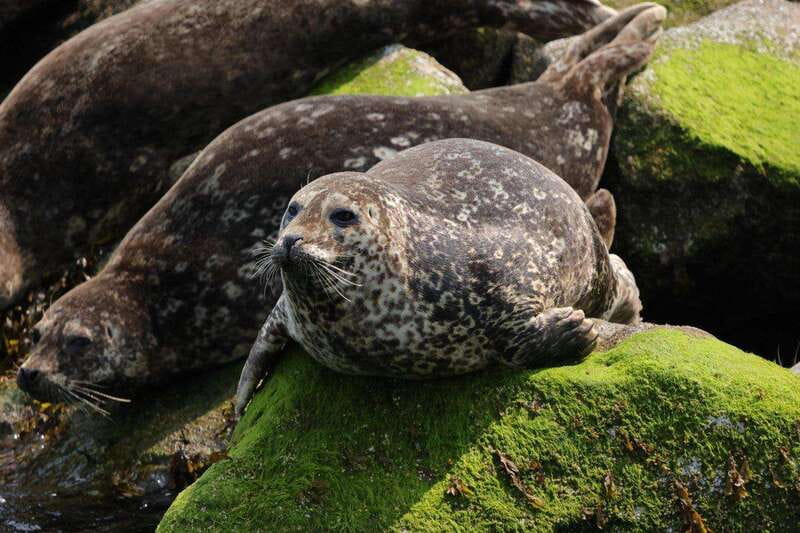
This is also where wildlife odds become part of the fun. Guides typically keep a watch for harbor seals and bald eagles, and the ride’s speed helps you cover viewpoints efficiently without spending too much time stuck in one spot.
In one account from an English-speaking guide-led ride, guests even spotted salmon jumping and seals in the river area, which made the scenery feel alive instead of static. You can’t count on any single animal sighting, but the tour is set up to make wildlife watching realistic.
Second Narrows Rail Bridge: the last big shot before you head back
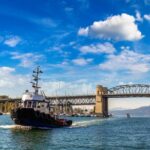
As the tour wraps, you reach Second Narrows Rail Bridge. This area is a strong finishing point because it ties the route together visually. You can look back and see how the coastlines connect, and you get one more chance to frame city-and-coast angles from the water.
It’s also a nice “last look” moment before returning to the start point at 1666 Duranleau Street.
The ride back tends to feel smoother once you’ve seen the range of scenery. You’ve already built your mental map, so you can relax into the views and enjoy the guidance without feeling like you missed a key landmark.
Guides like Thomas and Jake: what makes the commentary worth it
A speedboat tour can be all motion and little meaning, but this one leans hard into guided storytelling. Two guide names came up strongly in recent experiences: Thomas and Jake. Both are described as knowledgeable in a practical way, with commentary that helps you understand what you’re seeing and why it matters.
The best kind of guiding here does two jobs. First, it tells you what the landmark is and where it sits in the bigger geography. Second, it keeps you engaged without turning the ride into a lecture. When that’s done well, you notice more: the way shorelines curve, where the water tends to calm, and which zones feel more likely for seals and birds.
The tour also includes a Free Photo Package, which is a real value add if you want good shots of skyline and big-view moments. When the boat is moving and wind is in play, having a photo plan removes stress.
Price and value: is $130 worth a 3-hour speedboat?
At $130 per person for about 3 hours, this is a splurge compared to a basic city tour. The value depends on what you’re looking for.
If you want the best seats for Vancouver’s waterfront—Stanley Park angles, harbour skyline context, and waterfall cruising—this price starts to make sense. You’re paying for a specific kind of experience: a fast, open-water route that’s hard to replicate cheaply on your own without coordinating transport and planning for weather.
What also supports the value is that essentials are included: a guide, all necessary equipment, and that Free Photo Package. Since you don’t get hotel pickup or drop-off, you’ll save money only if you can already reach the Granville Island meeting point easily.
My rule of thumb: if you’re comfortable with wind and you want a genuine water-based Vancouver highlight (not just waterfront walking), this feels like a fair use of time and money. If you hate getting cold or are sensitive to rougher rides, you may find land-based alternatives more comfortable for similar scenic goals.
Who this tour suits best (and who should skip it)
This works especially well for people who like moving. You’ll likely enjoy it if you want photos with depth (skyline + harbour + shoreline) and you like wildlife searching without needing to sit still for hours.
It’s a strong match for first-timers who want an efficient “see the city from the water” snapshot in just three hours. It also fits couples and small groups because you’re seeing a route, not just a single view.
Skip it if you know you’ll struggle with spray or wind comfort, or if you fall into the “not recommended” categories: back problems, heart complaints, other serious medical conditions, or if you’re pregnant. For families, children must meet the height requirement, and it isn’t suitable for children under 7.
Should you book this Vancouver Waterfront Speedboat and Waterfalls tour?
I’d book it if you want Vancouver’s skyline and nature in one trip, and you’re excited by water views more than museum-style sightseeing. The best reason is simple: the combination of fast boat energy plus guided context plus a waterfall stop makes the time feel earned.
I’d hesitate if you’re easily chilled or dislike getting damp, because the spray and wind are part of the deal. Also be honest about health limitations, since the tour isn’t recommended for certain medical concerns.
If you match the comfort level, this is the kind of tour that makes Vancouver feel bigger and closer at the same time—like you’re actually inside the geography.
FAQ
How long is the Vancouver Waterfront Sightseeing Tour – City and Waterfall?
The tour duration is 3 hours.
Where do I meet the tour?
You check in at Prince of Whales Adventure Centre on Granville Island, at 1666 Duranleau Street, Vancouver, BC. Check in 30 minutes prior to departure.
What’s included in the price?
Included items are the guide, all necessary equipment, and a Free Photo Package.
What should I bring?
Bring warm clothing. The tour is also affected by wind and spray, so dressing for cold is important.
Are there age or height limits?
Yes. There is a minimum height restriction of 4 feet (1.2 meters). Children under 7 years are not suitable. Participants under 19 must be accompanied by a parent or guardian.
Who should not take this tour?
The tour is not recommended for people with back problems, heart complaints, or other serious medical conditions, and it is not suitable for pregnant women.
You Might Also Enjoy

More City Tours in Vancouver
- Vancouver City Sightseeing Tour: Capilano Suspension Bridge & Vancouver Lookout
★ 5.0 · 1,556 reviews