REVIEW · VANCOUVER
Vancouver: Zodiac Whale Watching Tour from Granville Island
Book on GetYourGuide →Operated by Wild whales eco tours · Bookable on GetYourGuide
Orcas can turn a morning into a rush. This Vancouver Zodiac tour is built for speed and closeness, with open-air 360-degree views that make you feel like you’re part of the Salish Sea. I like that the boat is small and purpose-made, so you’re not stuck behind walls of glass or far from the action.
What really makes this stand out is the onboard marine naturalist. You get real-world context on what you’re seeing (and why the rules matter), plus a chunk of your ticket supports marine research and protection. One thing to consider: this is an open-air, high-motion ride, so it’s not a match for everyone (especially pregnancy or certain back/neck/heart issues).
In This Review
- Key Highlights That Make This Tour Worth Your Time
- Speed, Seats, and the Salish Sea: What You’re Really Buying
- Granville Island Check-In: The 45-Minute Safety Brief That Actually Helps
- The Zodiac Ride Itself: 3–5 Hours on Open Water, Not a Floating Waiting Room
- Wildlife viewing rules: why the Zodiac setup helps
- What the Marine Naturalist Adds (Especially When You Want More Than a Photo)
- What You Might See: Orcas, Humpbacks, and the Reality of Conditions
- The whale-sightings guarantee
- Comfort, Warmth, and Motion: The Practical Stuff That Makes or Breaks Your Day
- Who should think twice
- A note on seasickness and illness risk
- Price and Value at $179: What You Get for the Money
- How the Timing Works: From Granville Island to Salish Sea Back to Dock
- Who This Tour Fits Best (And Who Might Prefer Something Different)
- Should You Book This Zodiac Whale Watching Tour?
- FAQ
- Where is the meeting point for the tour?
- How long is the tour?
- What should I bring?
- What safety gear is included?
- Is food and drinks included?
- Who is this tour not suitable for?
Key Highlights That Make This Tour Worth Your Time
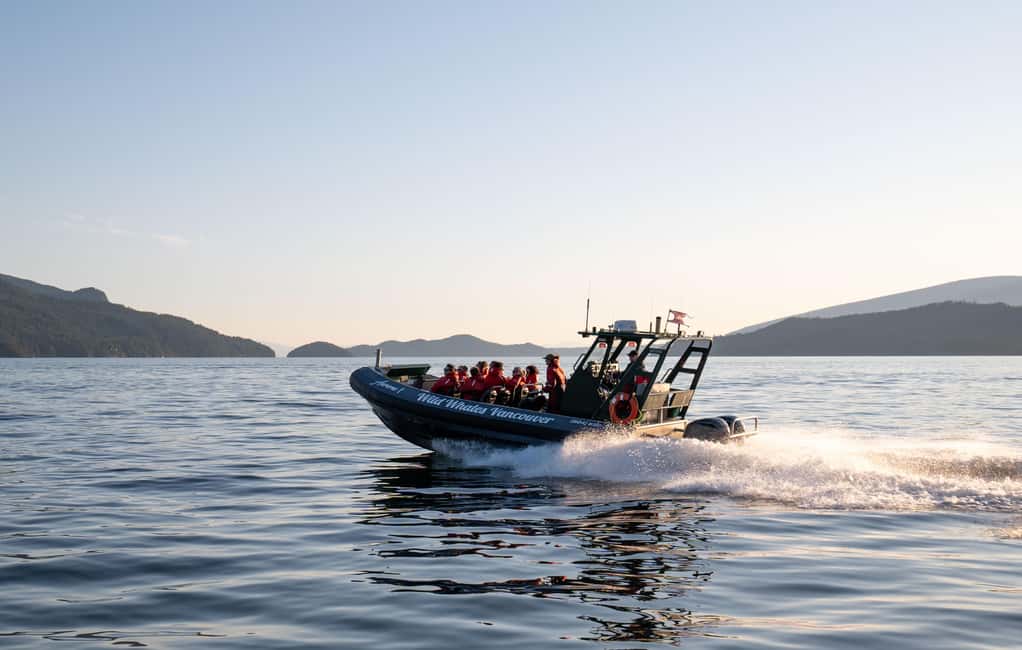
- High-speed Zodiac thrills with shock-absorbing seats and a closer ride
- 360-degree open-air viewing where every seat actually feels useful
- Marine naturalist onboard turning sightings into learning, not just spotting
- Wildlife viewing guidelines respected with a vessel sized for careful maneuvering
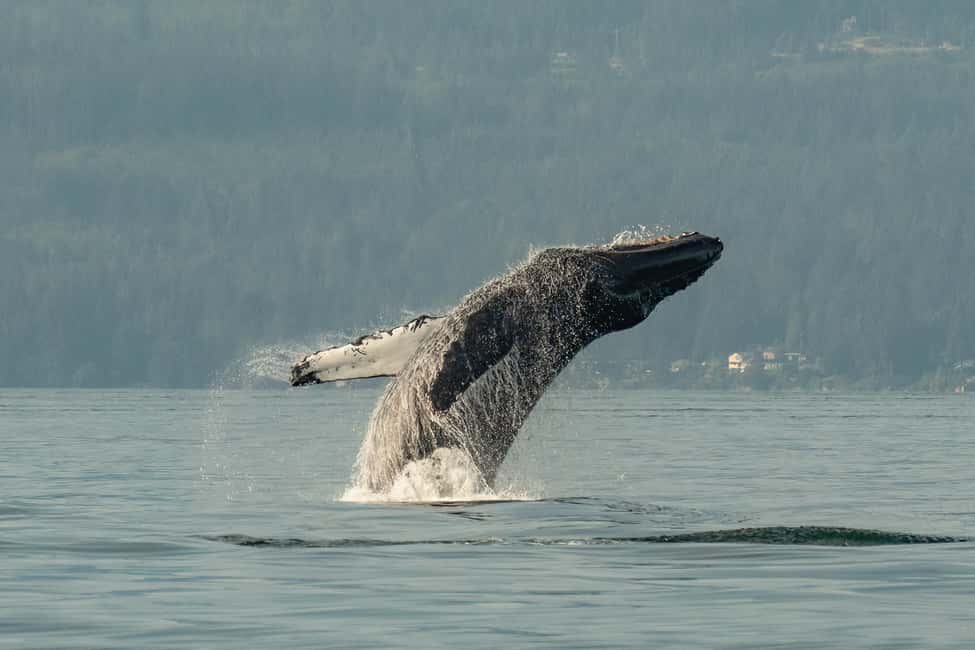
- Possible big encounters like orcas, humpback whales, and dolphins depending on conditions
- A whale-sightings guarantee if you don’t see a whale, you can rejoin for free
Speed, Seats, and the Salish Sea: What You’re Really Buying
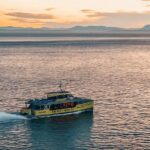
If you’ve done the usual whale boat with rows of seats and long distances between you and wildlife, this feels different from the start. You’re going out on a custom-built open-air Zodiac, not a large, covered vessel. That means you’re closer to the water, you’re higher-attention to what’s happening around you, and you get those 360-degree views without craning.
I also like the practical comfort details. The Zodiac has shock-absorbing seats, so the ride is still thrilling but not purely punishing. Plus, since the vessel is small and maneuverable, it can position you better while still following strict wildlife viewing rules set by the relevant local organizations.
The vibe here is “adventure with structure.” You’re not just pointed toward wildlife and told to look. You’ll have a marine naturalist onboard and a captain who’s certified for local waters, so you’re learning as you ride.
You can also read our reviews of more whale watching tours in Vancouver
Granville Island Check-In: The 45-Minute Safety Brief That Actually Helps
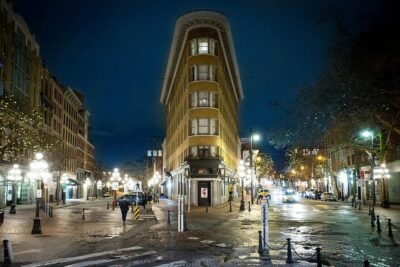
Your day starts at the Wild Whales Vancouver office on Granville Island (1806 Mast Tower Ln). Plan to arrive 45 minutes before departure for check-in and the safety briefing. Late arrivals may not be accommodated, and that matters on a timed boat schedule.
Granville Island is easy to reach by car, public transport, or a small local ferry service, but parking gets busy in summer. If you’re driving, give yourself extra time to find a spot. This is the kind of tour where being even a little late can push you out of the boarding window.
Once you’re checked in, you’ll go through safety steps and get set up. You’ll have access to storage for personal items, and rain ponchos are provided if needed. Most importantly for your comfort: you’ll be issued full-body flotation suits for safety and warmth.
That safety briefing isn’t just paperwork. It’s part of how this tour keeps the experience fun while still operating with care around marine life.
The Zodiac Ride Itself: 3–5 Hours on Open Water, Not a Floating Waiting Room
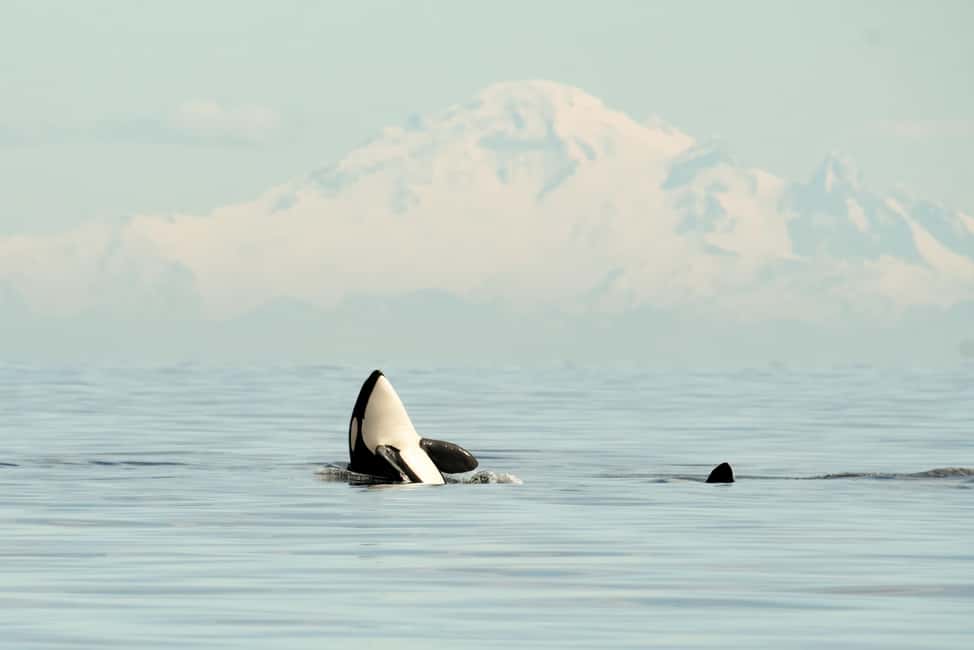
Out on the Salish Sea, the tour format is simple: guided viewing and whale watching, with wildlife viewing throughout the ride. Depending on the day’s conditions and timing, plan on roughly 3–5 hours on the water, with a total day length around 5 hours including the earlier briefing.
Because this is a Zodiac, the feel is “inside the weather.” You’ll be exposed to wind, spray, and the elements. This is part of the magic for people who want maximum connection to the sea, but it’s also the main reason you should dress intentionally.
Here’s how to think about it:
- You’re on an open-air vessel, so warmth and wind protection matter as much as spotting.
- The maneuverability and size help keep a respectful distance while still letting you see behaviors clearly.
- Your position on the boat matters less than it does on big-group ferries—this vessel design is meant so every seat is a good seat.
Wildlife viewing rules: why the Zodiac setup helps
A smaller, agile boat can reposition more carefully, which makes it easier to follow wildlife viewing guidelines. You’ll also have a naturalist on board interpreting behavior and explaining what you’re seeing, rather than just saying, “That’s a whale.”
And while sightings aren’t guaranteed, you’re more likely to notice patterns (feeding, surfacing, travel directions) when you’re close enough to watch movement, not just see a distant spout.
What the Marine Naturalist Adds (Especially When You Want More Than a Photo)
One of the best ways to judge a whale watching trip is to ask: what do they do besides point? Here, the answer is an onboard marine naturalist who helps you understand the ecosystem.
The naturalist’s job isn’t just facts. It’s interpretation: behavior, what the animals are doing, and conservation context. That matters because marine life sightings can look random if you don’t know what to look for—direction, timing, breathing patterns, group behavior, and how wildlife interacts with the water.
You’ll also get guidance aligned with local wildlife viewing guidelines. The goal is to educate you without turning wildlife into a spectator sport.
And that conservation piece isn’t marketing fluff. A portion of the ticket price supports regional marine research and protection initiatives. So the experience is meant to feel connected to what you’re watching, not separate from it.


What You Might See: Orcas, Humpbacks, and the Reality of Conditions
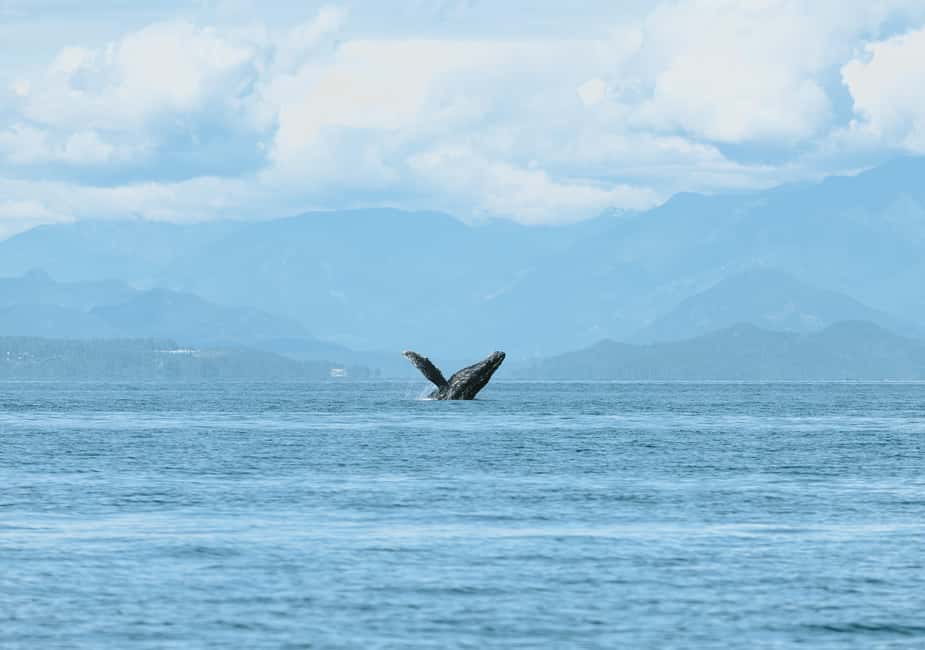
On any given day, you might encounter:
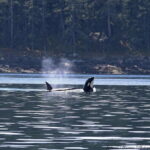
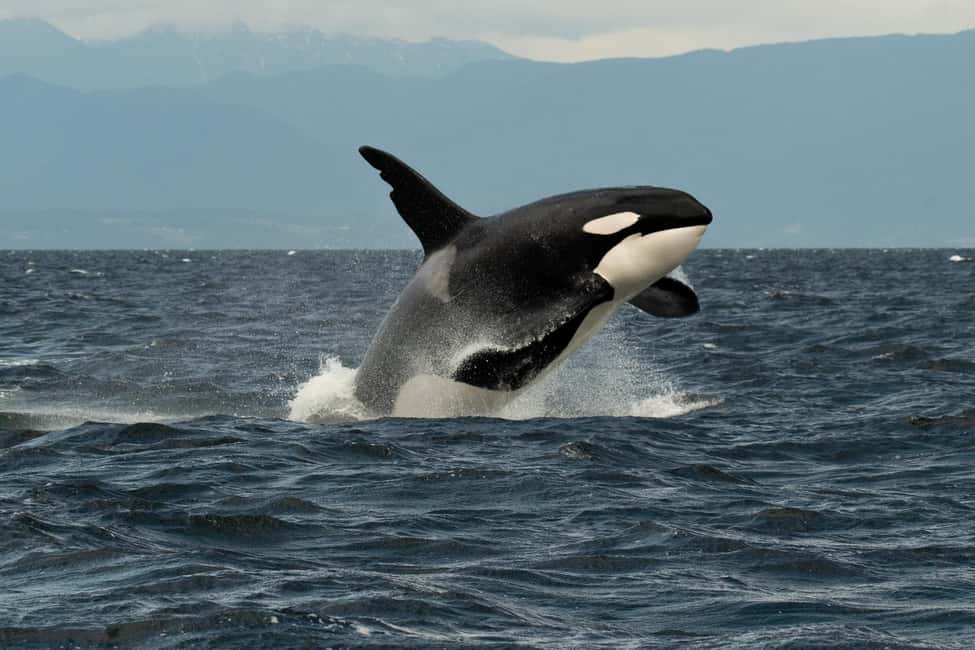
- Orcas
- Humpback whales
- Grey whales
- Pacific white-sided dolphins
- Harbor seals
- Stellar sea lions
- Bald eagles
- Cormorants
- Seabirds
That list is a big promise, but the honest truth is that sightings depend on weather and conditions, and what’s been reported recently. The crew uses spotters and other captains to improve the odds, which is exactly what you want when you’re paying for a guided experience rather than a “go look yourself” outing.
One of the strongest pieces of evidence for the tour’s real-world potential is a past highlight: I’ve seen reports of an outing with 16 orcas in total, including both Northern Residents and Transient groups. Guides Honour and Rodrigo were credited with doing an excellent job, and that kind of focused effort makes a difference when you’re trying to interpret multiple encounters across a long ride.
Still, it’s wise to keep expectations flexible. If you come in hoping for one specific animal only, you’ll likely feel frustrated when the day shifts.
The whale-sightings guarantee
If you don’t see a whale, you can rejoin the tour for free. That’s a strong incentive to choose this operator, because it acknowledges that wildlife sightings are never fully predictable.
Comfort, Warmth, and Motion: The Practical Stuff That Makes or Breaks Your Day
This is where you decide if the Zodiac is right for you. The vessel is open-air, and the ride involves motion. You’ll receive flotation suits, but they’re not fully waterproof, so you should treat this as a wet-and-cold possibility.
Dress in warm layers. Bring sunglasses and a sun hat if you run warm in sunlight, plus sunscreen. Even when it looks mild, water wind can change the feel fast. A jacket matters.
You should also bring a camera if you want shots, since you’ll likely be rotating your attention across the sea in 360 degrees. Just remember: you’re also in movement, and spray is real.
Who should think twice
This tour is not suitable for:
- Pregnant guests
- People with back or neck injuries (due to zodiac motion)
- People with heart problems
Children must meet height requirements (minimum 152 cm / 5 ft as stated). For lower heights listed in the details, the tour isn’t recommended.
If you’re unsure, it’s worth checking before booking so you’re not rolling the dice with your comfort and safety.
A note on seasickness and illness risk
The ride includes real movement. If you’re prone to motion sickness, plan for that early. And if you’re not feeling well on the day, remember that the experience still has fixed timing, and getting last-minute refunds isn’t always the outcome people hope for.
If you’re healthy and prepared, you’ll enjoy the ride more because you’ll spend less time bracing and more time watching.
Price and Value at $179: What You Get for the Money
At $179 per person, you’re paying for a few things that are harder to get on generic tours:
- A custom-built open-air Zodiac designed for close viewing and agility
- Shock-absorbing seats for a more manageable ride
- A marine naturalist onboard (education and behavior interpretation)
- Flotation suits, plus rain ponchos if needed
- Storage for your items
- The whale-sightings guarantee if you don’t see a whale
- A conservation component that supports regional marine research and protection
What you don’t get is food and drinks, so plan to eat before or after. This also matters for comfort: you don’t want a long day where you’re under-dressed or under-fueled.
On value, I’d frame it this way: you’re paying for closeness plus instruction. If your top priority is just being on water and hoping something shows up, a cheaper option might work. If your goal is guided, close, and interpretive, this price starts making sense quickly.
How the Timing Works: From Granville Island to Salish Sea Back to Dock
The schedule is straightforward. You meet at Wild Whales Vancouver, then you get a safety briefing (about 45 minutes). After that, you head out and spend about 4 hours on guided wildlife viewing in the Salish Sea.
Why that structure is good:
- The briefing helps you enjoy the ride instead of stressing during the first minutes.
- The longer viewing window gives wildlife time to show up naturally rather than feeling rushed.
- You’re not just bouncing between photo stops; you’re out there watching for behaviors.
You return back to the Wild Whales Vancouver office when the ride ends, keeping the day tight and manageable.
Who This Tour Fits Best (And Who Might Prefer Something Different)
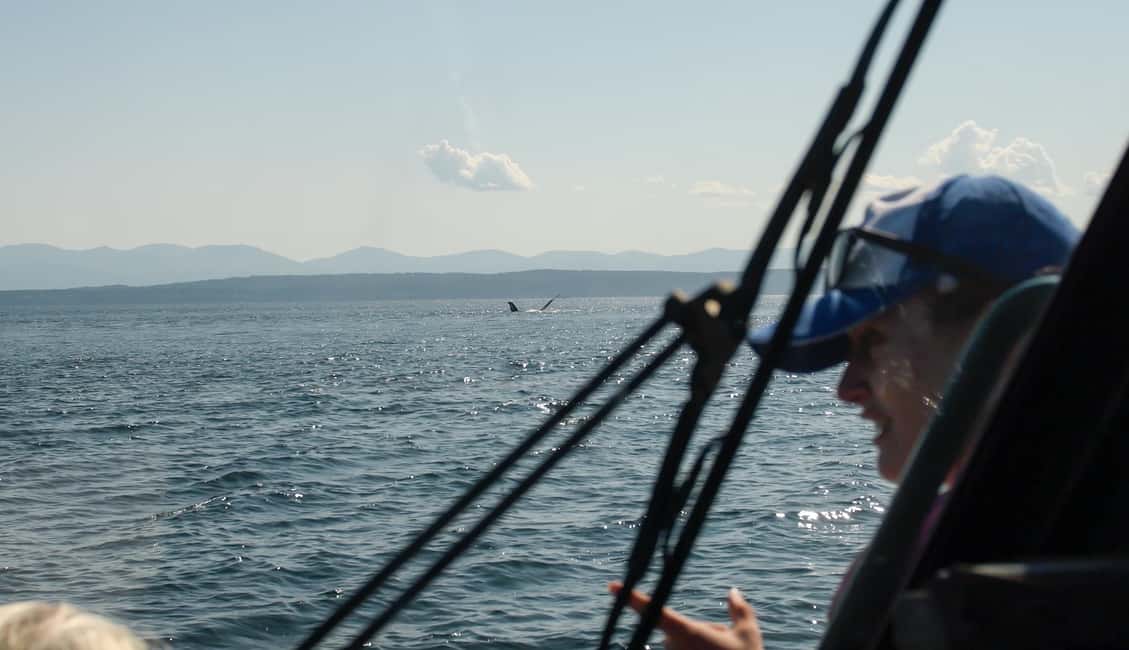
This zodiac tour is ideal if you:
- Want high-speed excitement without sacrificing onboard guidance
- Care about understanding what you’re seeing, not just collecting sightings
- Prefer small-vessel viewing rather than being one face in a huge crowd
- Like open-air experiences and can dress for wind and spray
You may want a different style of whale watching if you:
- Need a fully sheltered ride (this one is open-air)
- Have medical limitations related to motion, back/neck issues, pregnancy, or heart problems
- Have very young children who don’t meet the height minimums
Also, if you hate being cold or wet, take the clothing advice seriously. The suits help, but they’re not magic. Bring warm layers and accept that the water gives you wind.
Should You Book This Zodiac Whale Watching Tour?
I’d book it if you want a close-up, fast, small-vessel experience with real interpretation onboard—and you’re able to dress warm and handle motion. The marine naturalist and the whale-sightings guarantee add real value beyond “seeing something, maybe.”
But don’t book it on hope alone. Read the suitability notes carefully. If you’re pregnant, have back/neck injuries, or have heart problems, this isn’t the right fit. And if you know you get motion sick, plan for that before you go.
If your main goal is orcas, humpbacks, and dolphins in the Salish Sea, and you want a ride that feels like you’re part of the ecosystem, this is one of the more compelling options in Vancouver.
FAQ
Where is the meeting point for the tour?
Meet at Wild Whales Vancouver office at 1806 Mast Tower Ln, Vancouver, BC V6H 4B6 on Granville Island.
How long is the tour?
The experience runs about 5 hours total, with 3–5 hours spent on the water depending on conditions and schedule.
What should I bring?
Bring warm clothing, sunglasses, a sun hat, a camera, sunscreen, and a jacket.
What safety gear is included?
You’ll be provided full-body flotation suits for safety and warmth, along with rain ponchos if needed. The boat also has shock-absorbing seats.
Is food and drinks included?
No. Food and drinks are not included.
Who is this tour not suitable for?
It’s not suitable for pregnant guests or anyone with back or neck injuries due to zodiac motion, and it’s also not suitable for people with heart problems. Pets are not allowed, and touching marine life or feeding animals isn’t allowed. Children must meet the stated minimum height requirement.